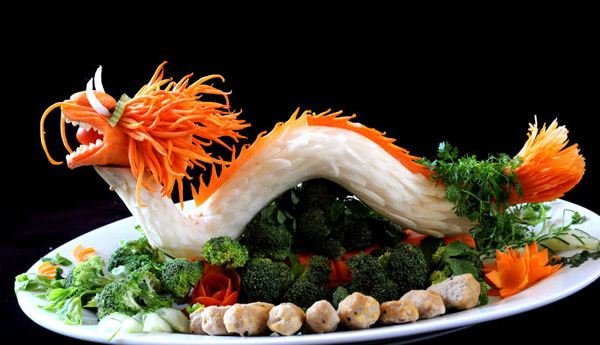
Hue has one of the most interesting and distinctive cuisine of Vietnam, partly as an heritage from imperial time and court customs, carved and served as a spectacle, and partly rooted in Central region popular specific dishes.
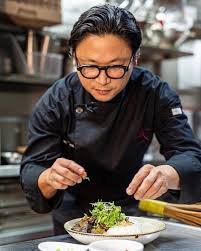
Top Hue’s chefs skilled at imperial cuisine are invited to cook for our guests in Thien Y Villas
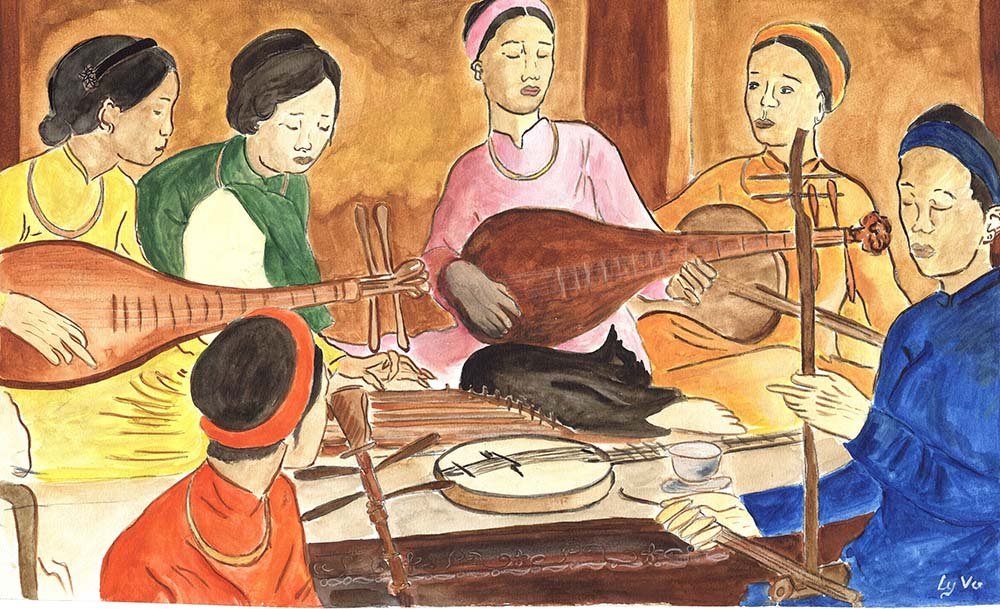
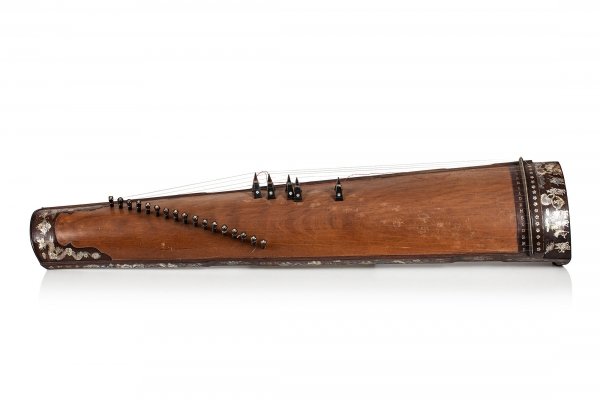
court music
Hue and the central is a place of flowers, poetry and love, sang everywhere” wrote a European traveler in late 19th century. Music and singing is as well very specific and attractive as a valued heritage here. Court music is played both in large orchestra and small ensembles, while folk song is very often melancholic and explores the depth of romantic soul.
Local imperial music artists are at home at Thien Y and frequently practice their art from the wooden bridge.
Artat Thiên ý
Thien Y benefits from a
generous loans
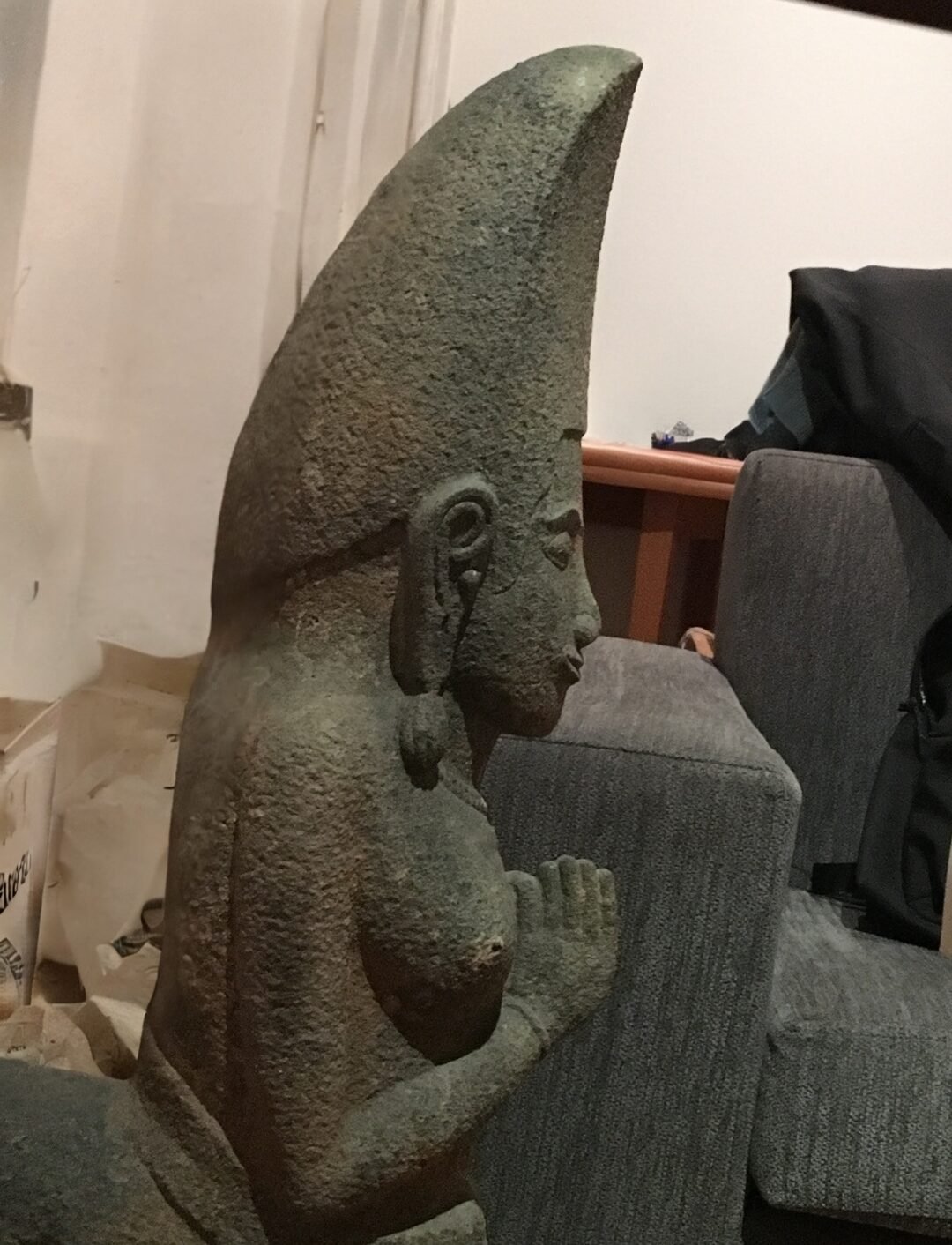
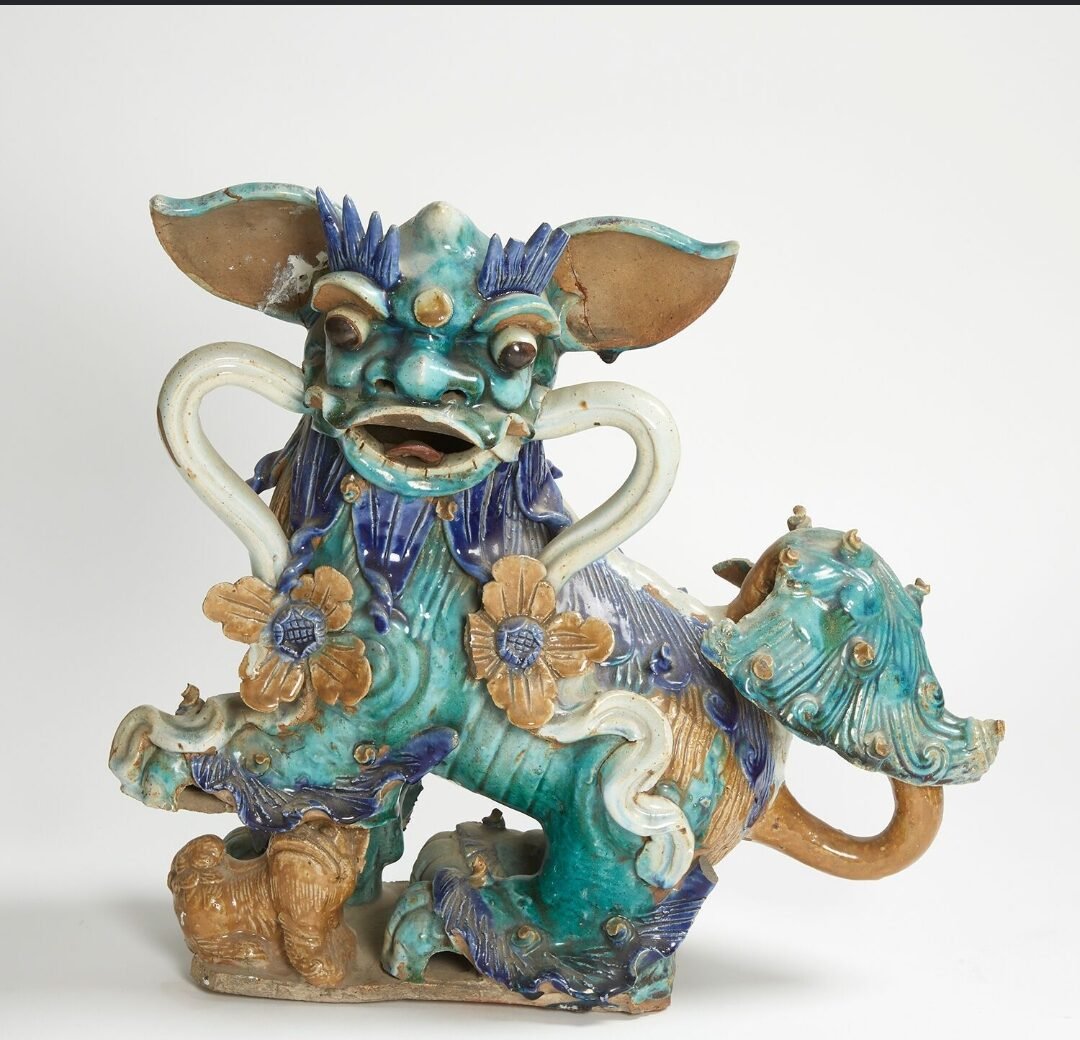
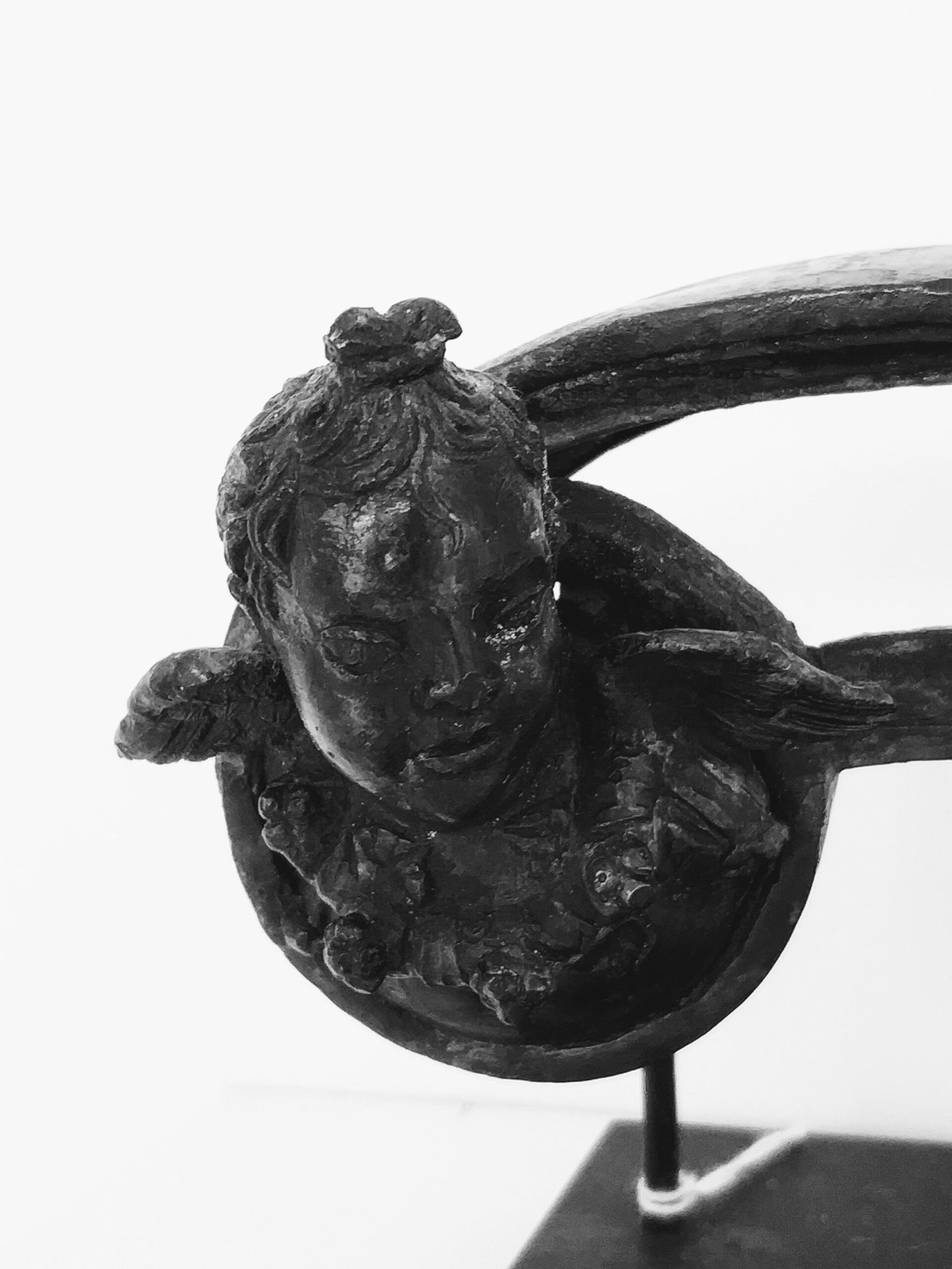
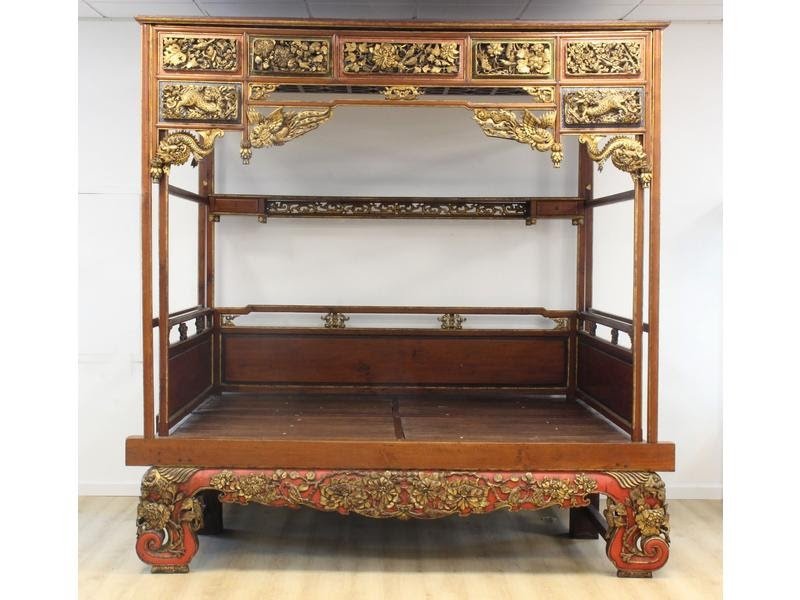
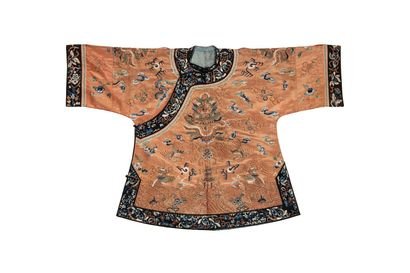
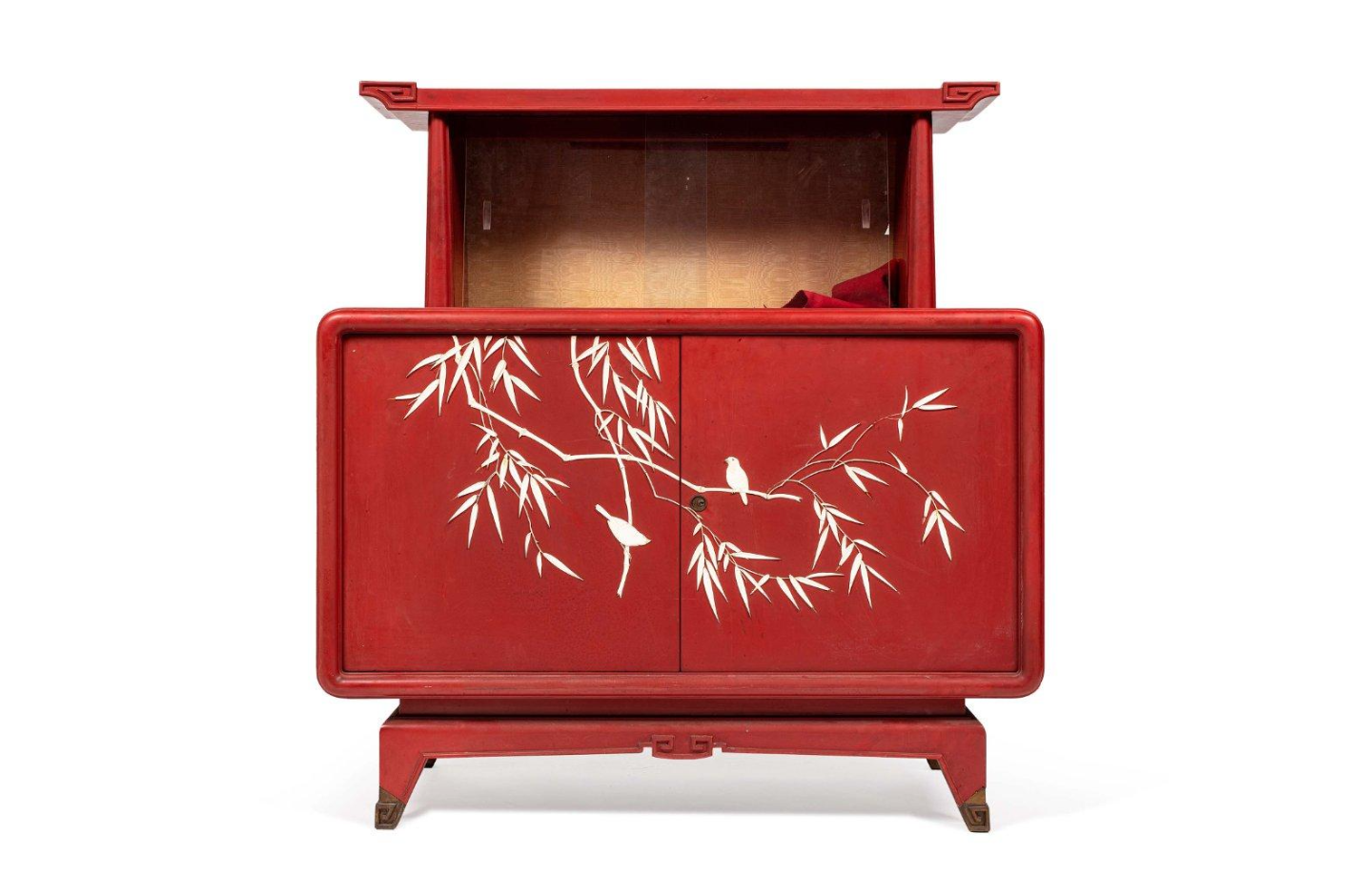
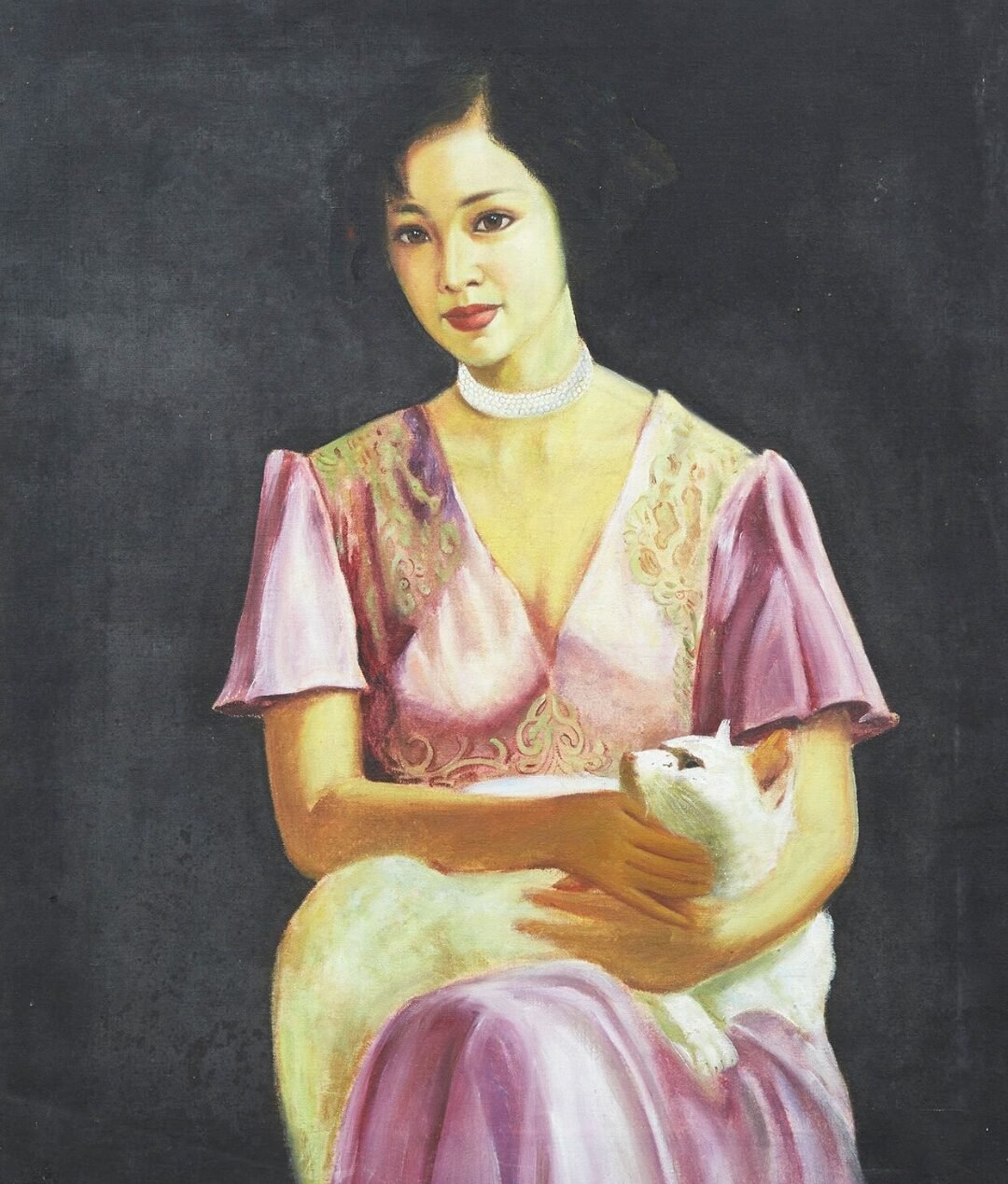
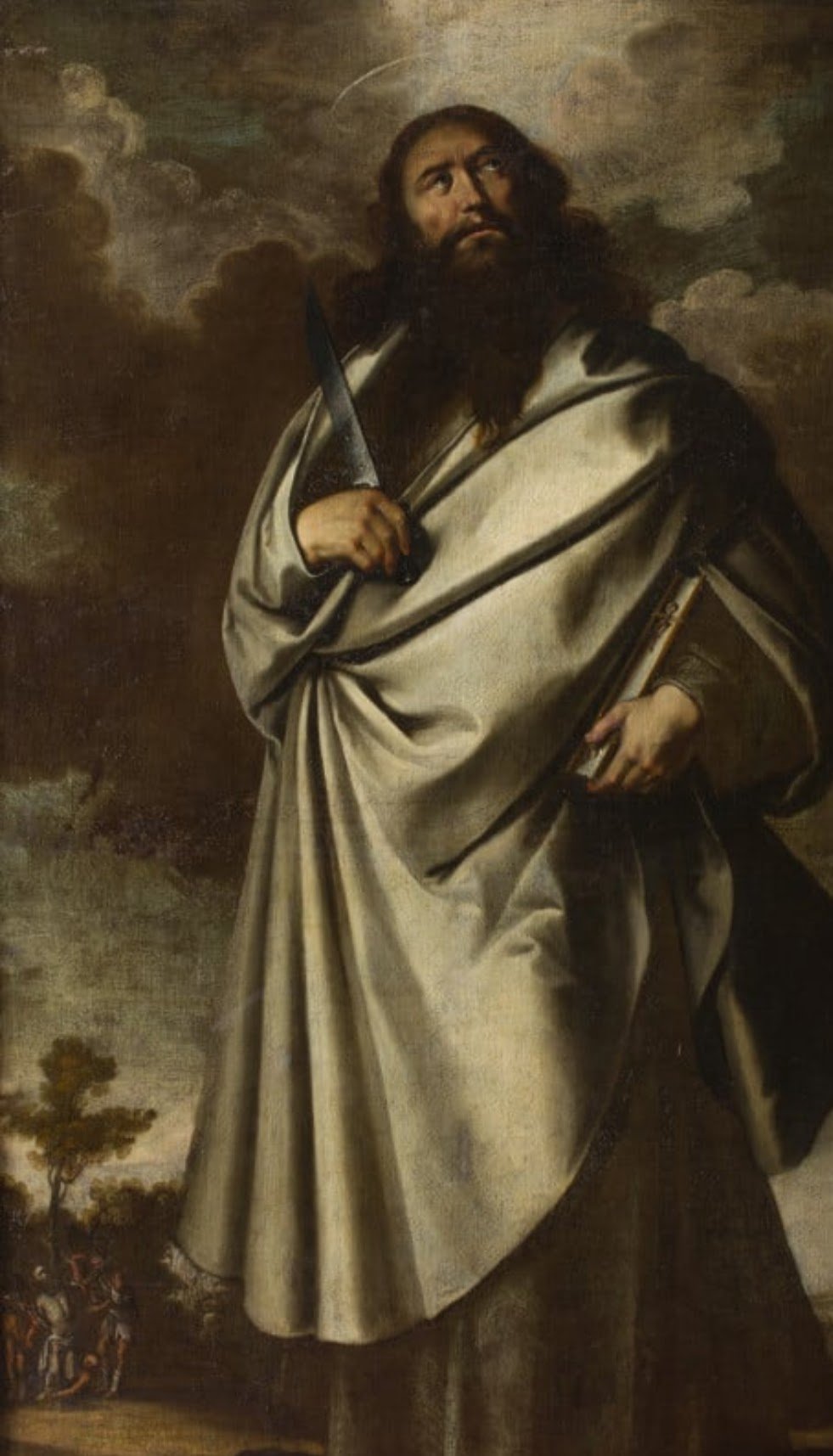
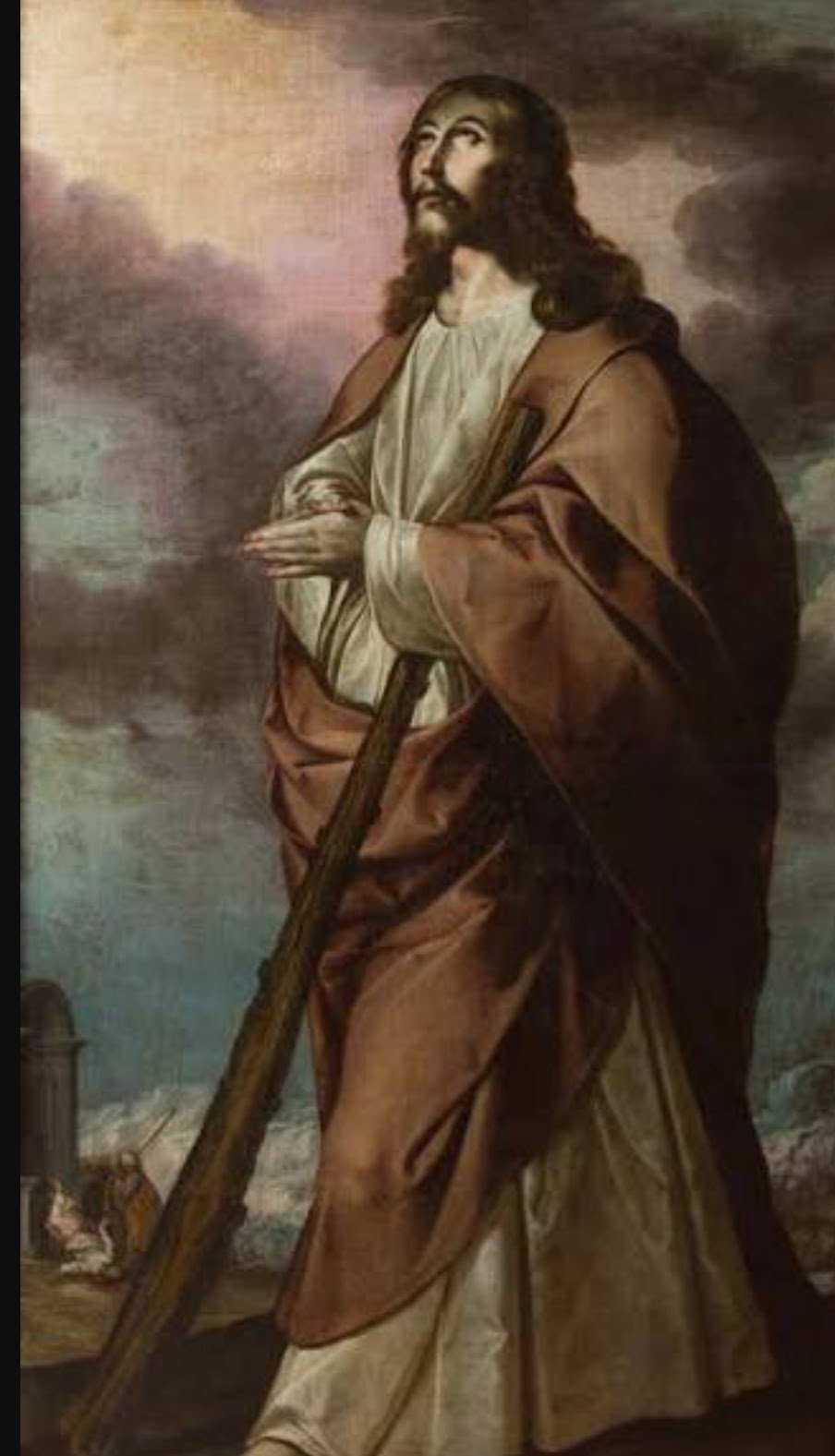
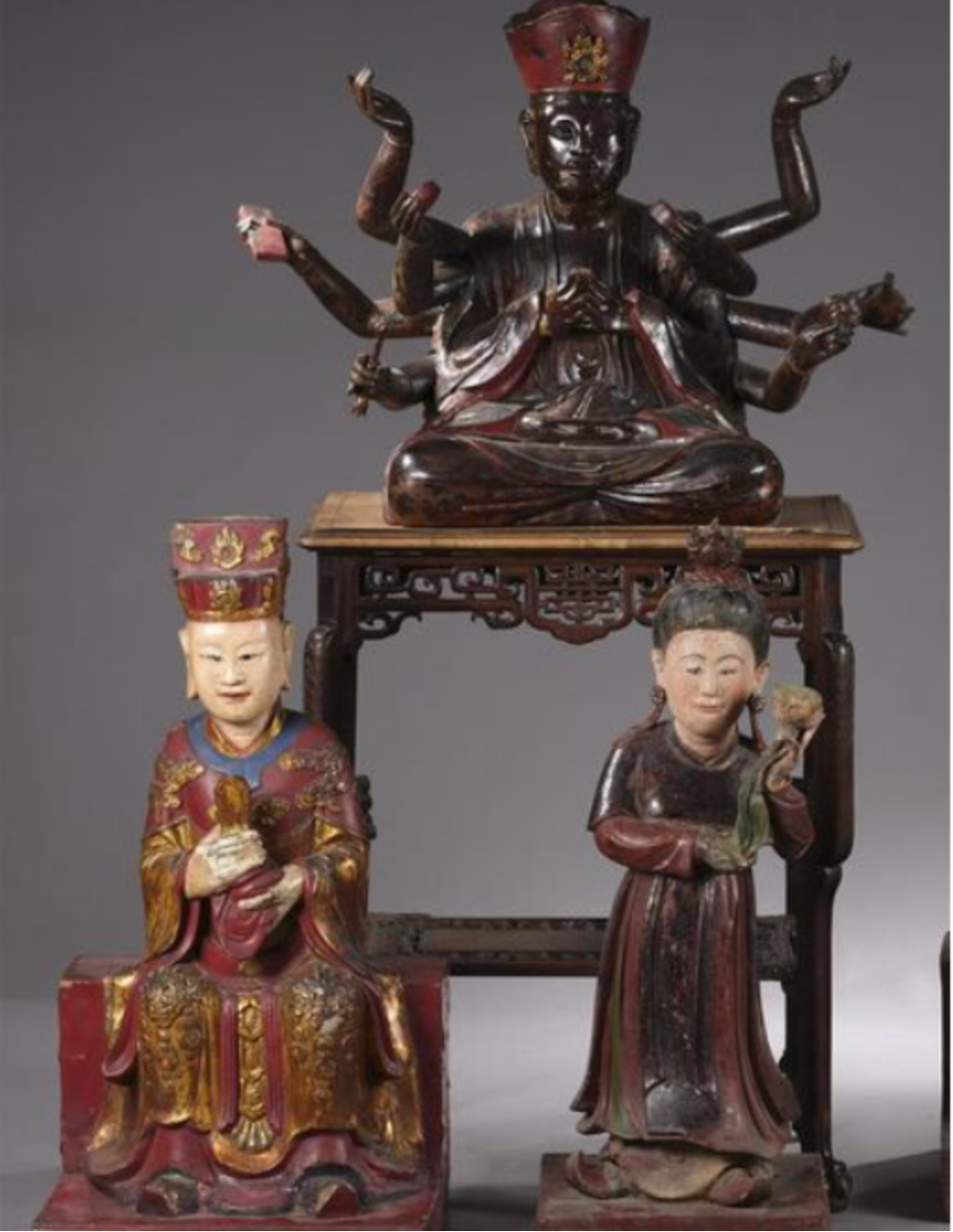
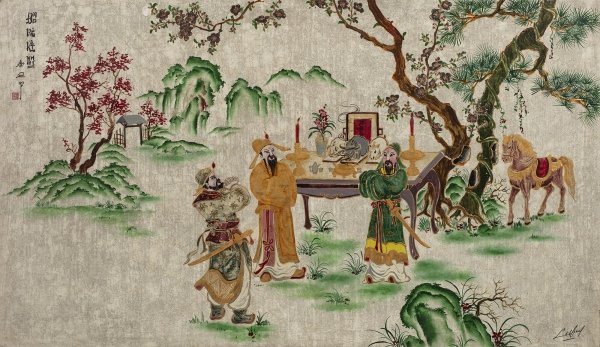
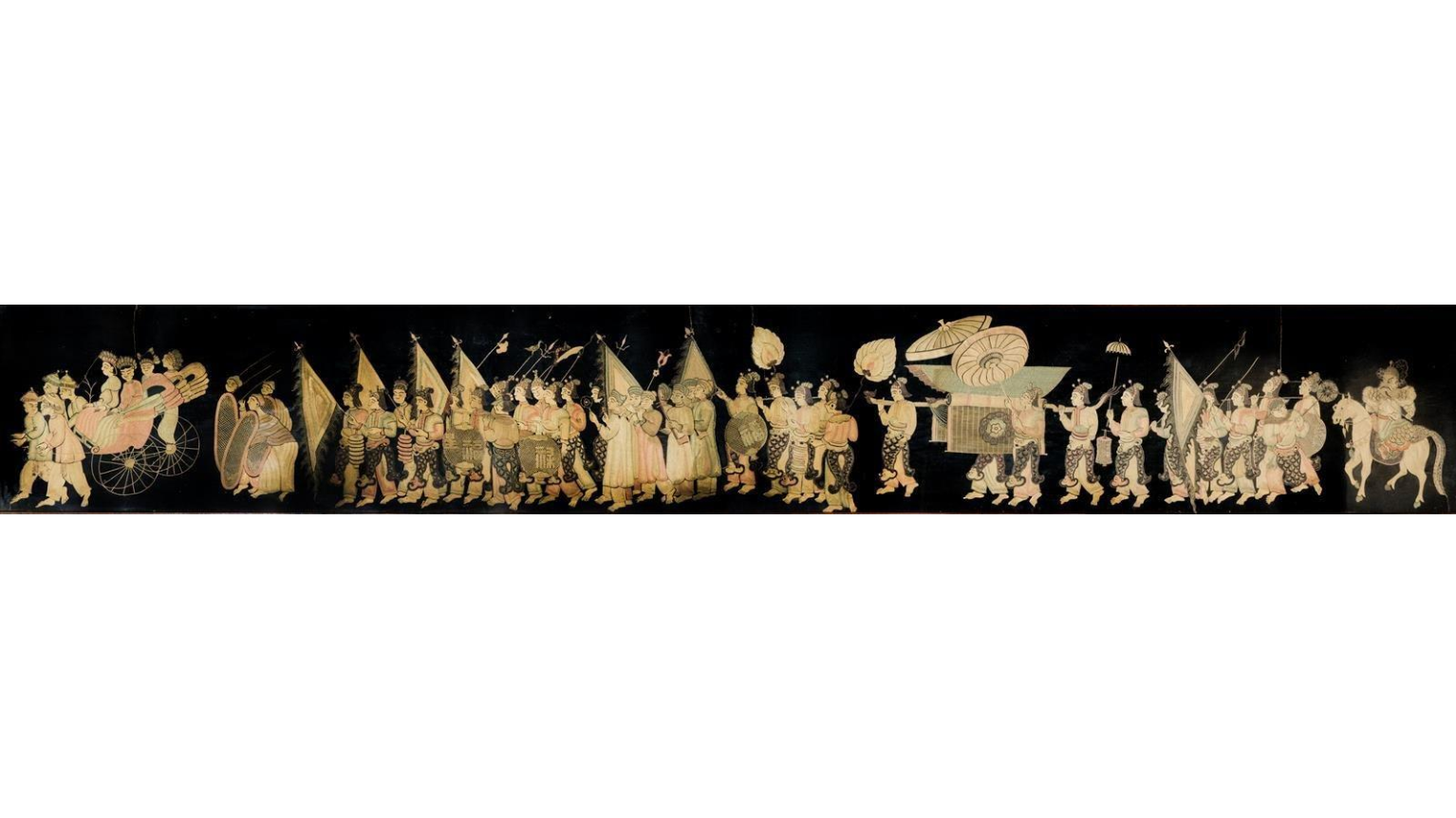
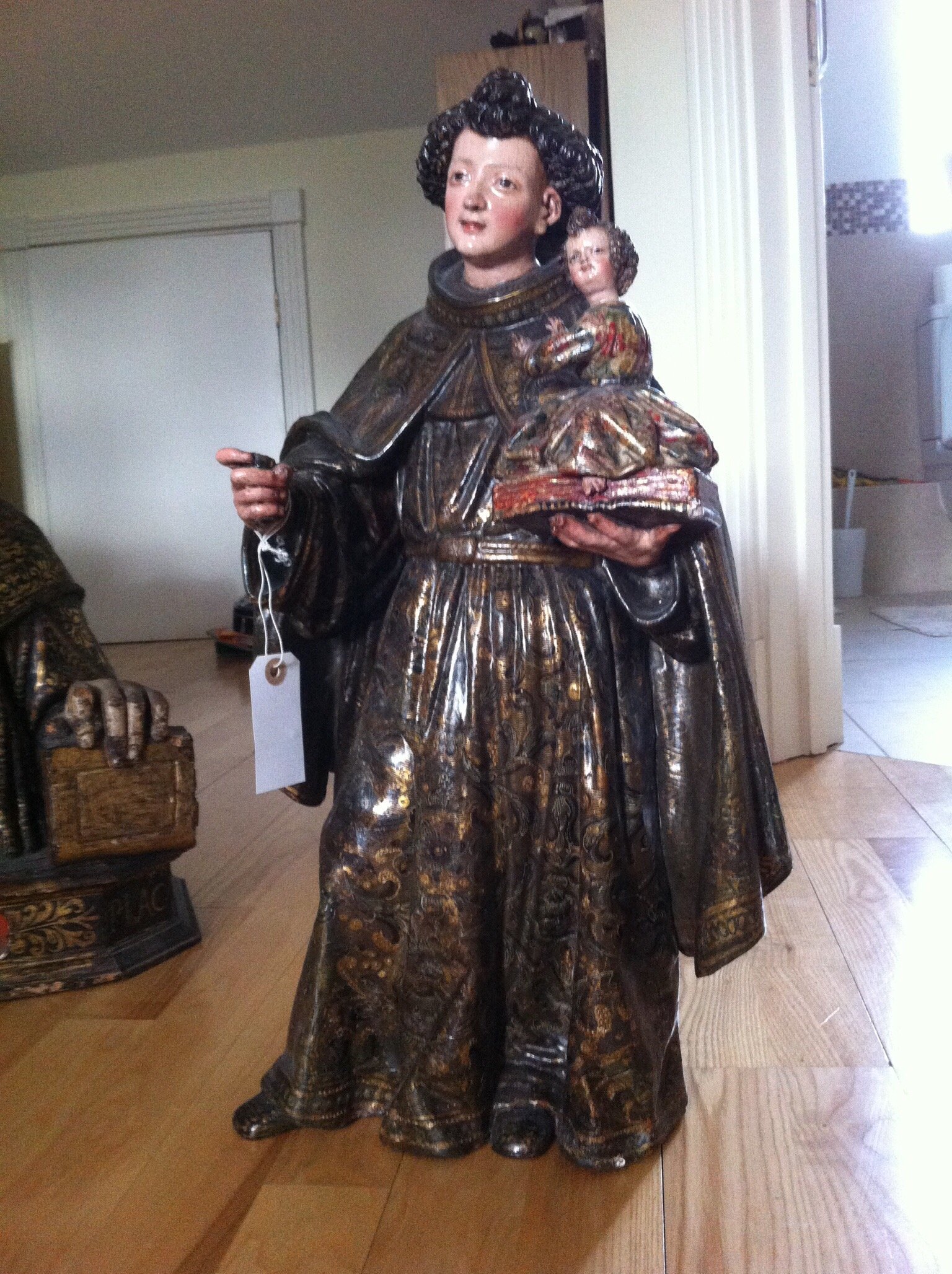
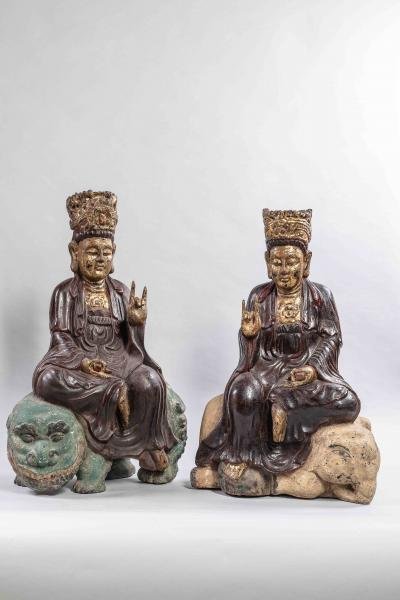
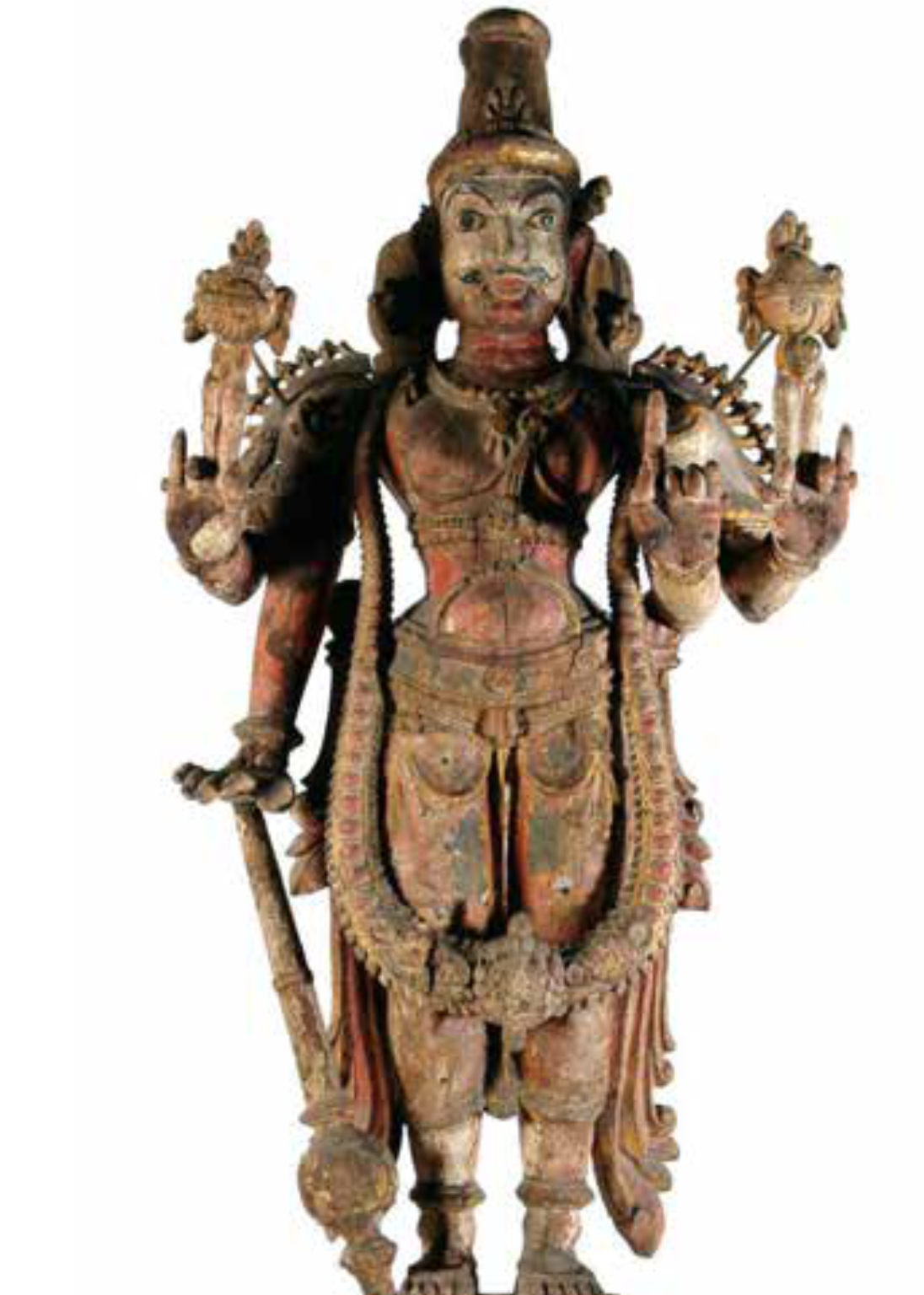
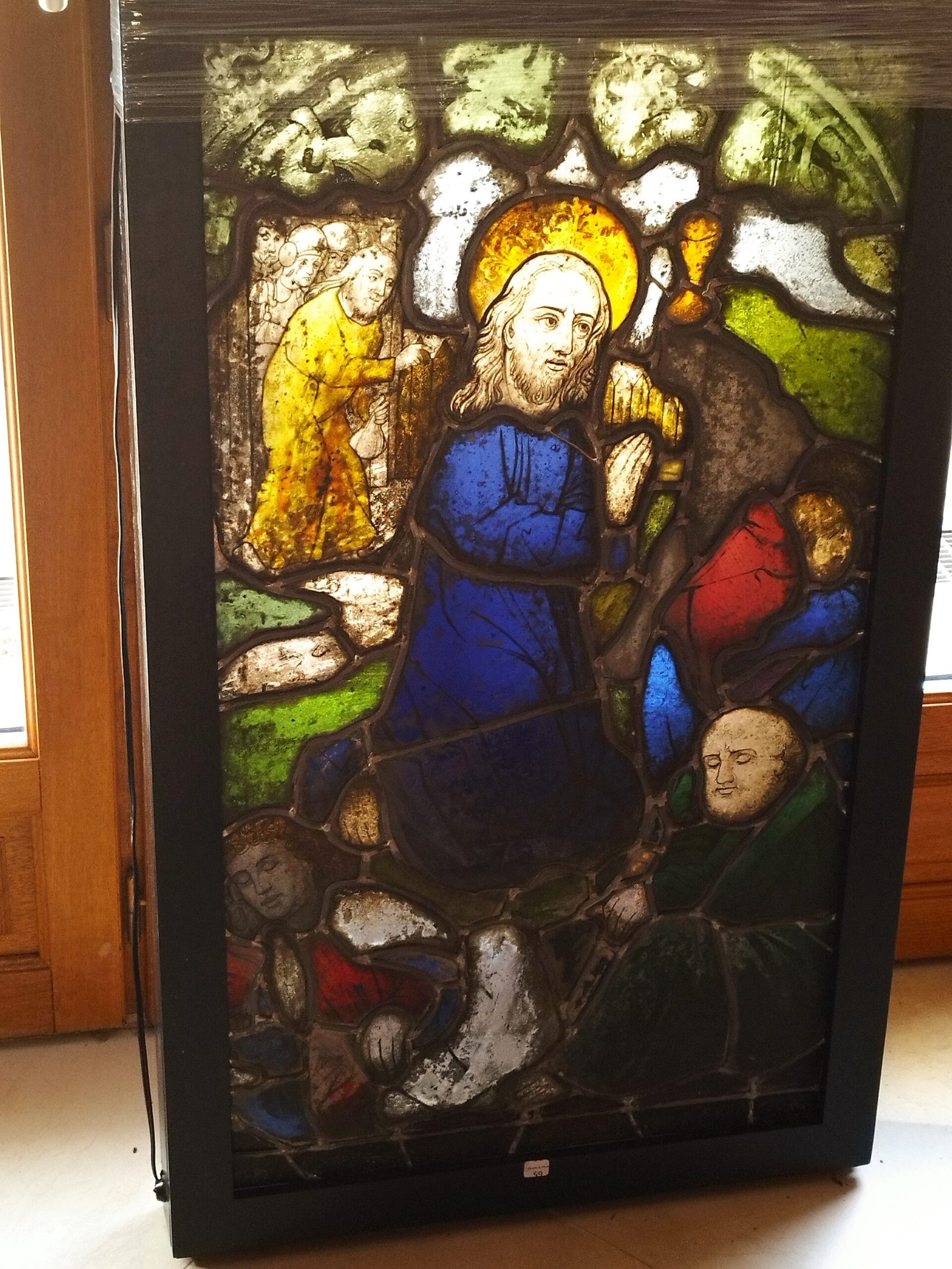
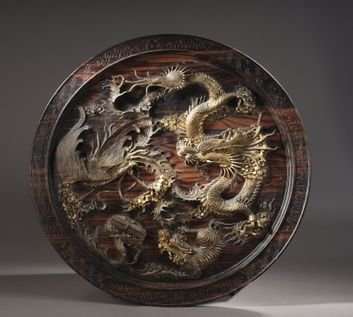
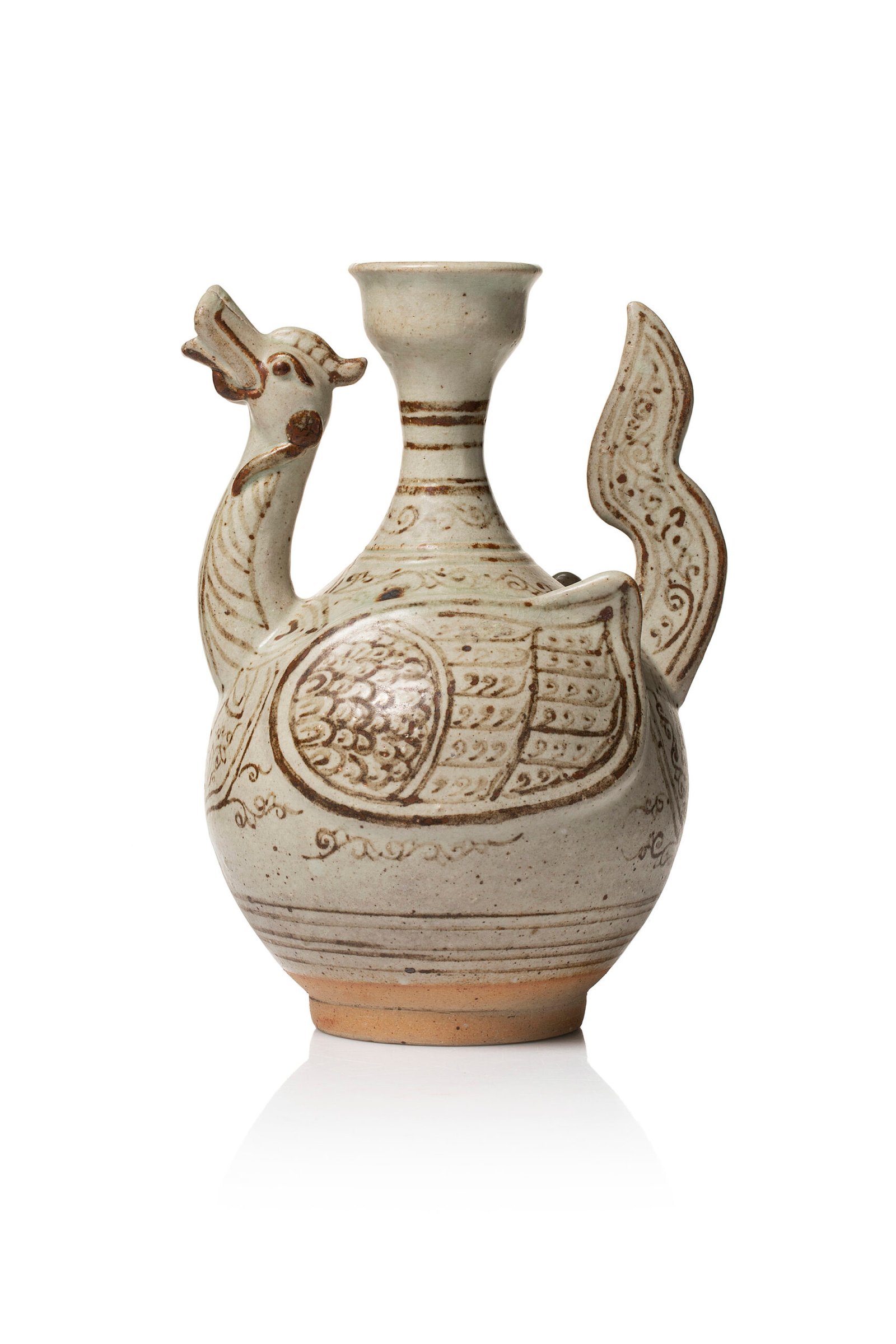
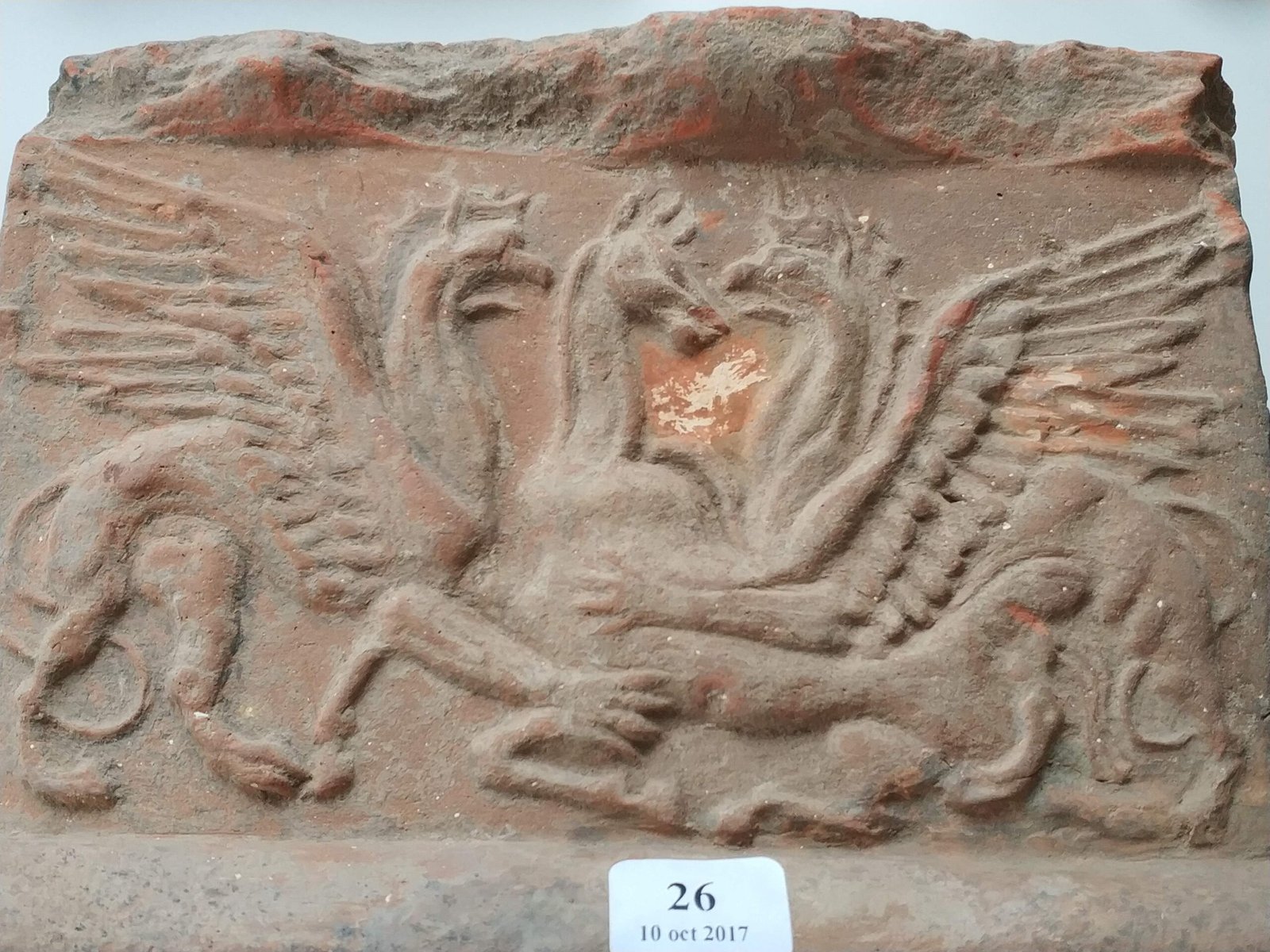
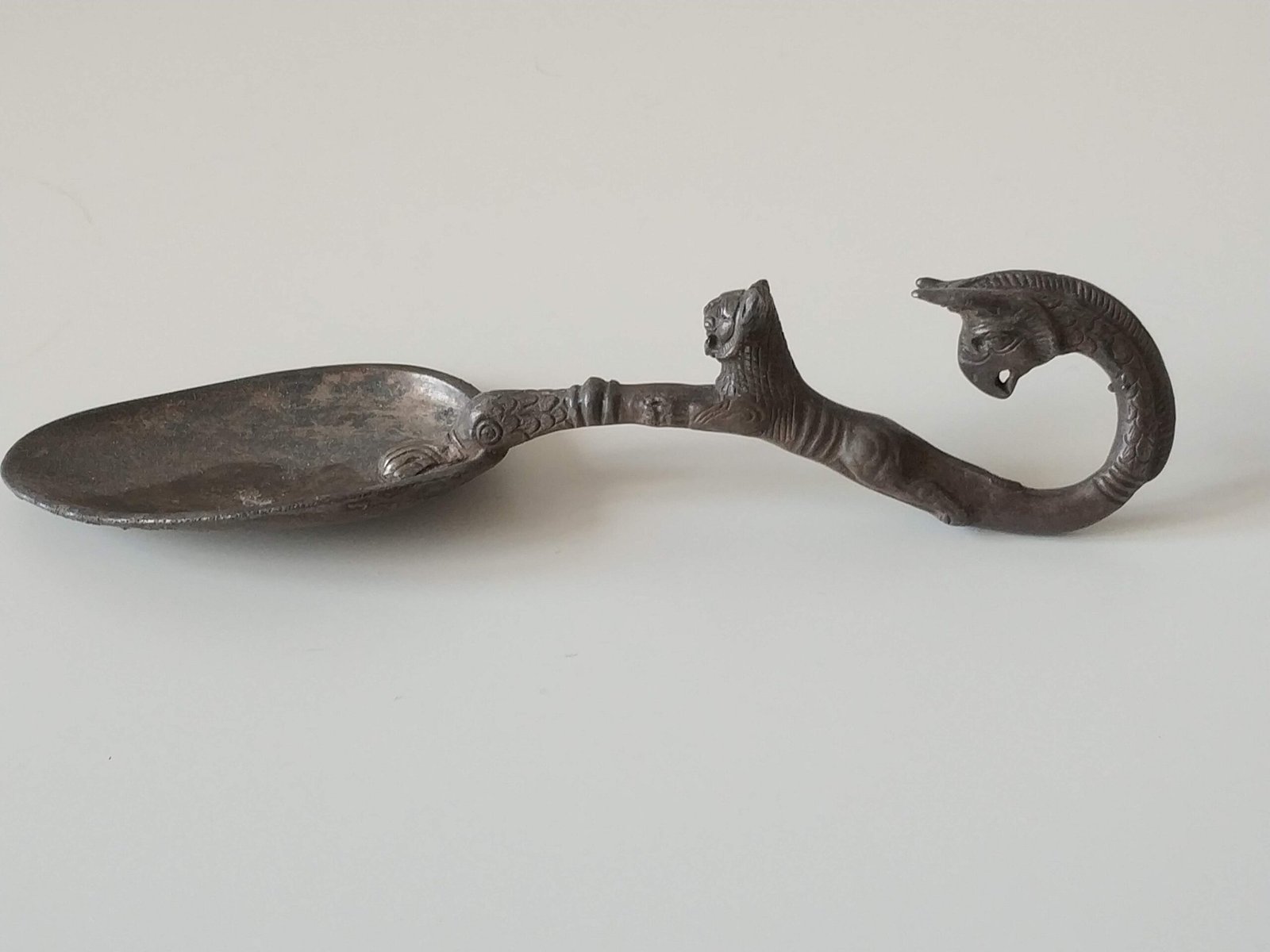
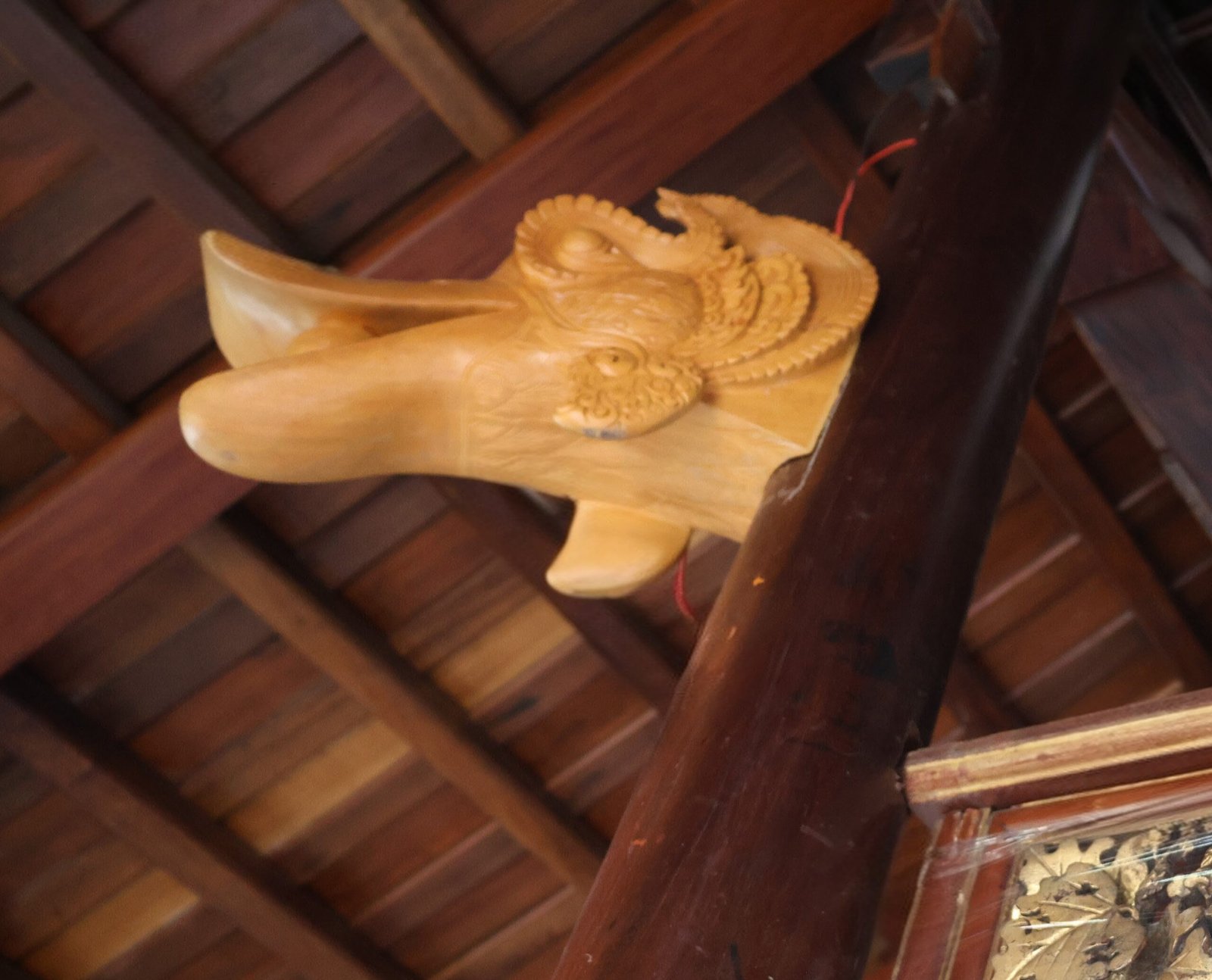
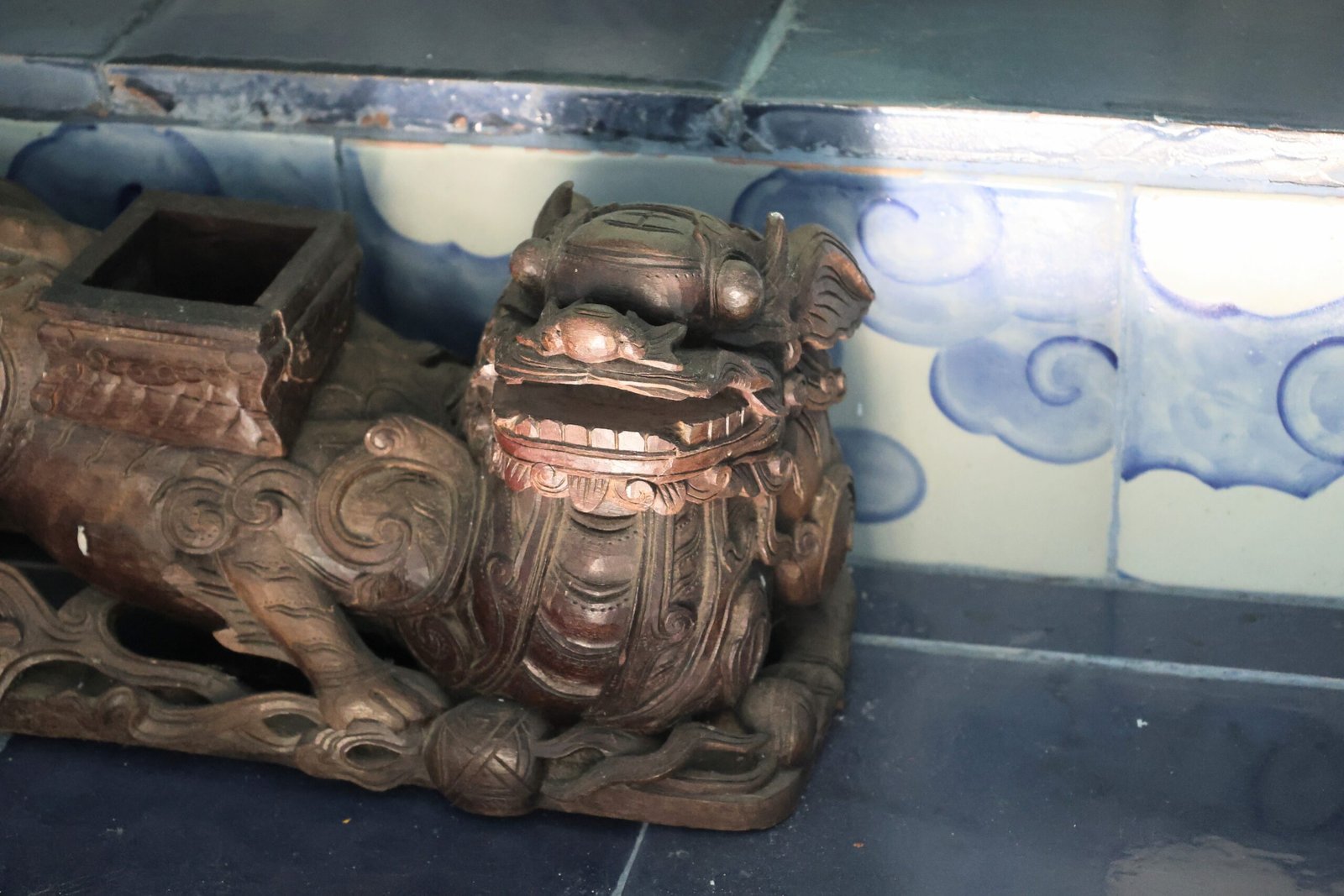
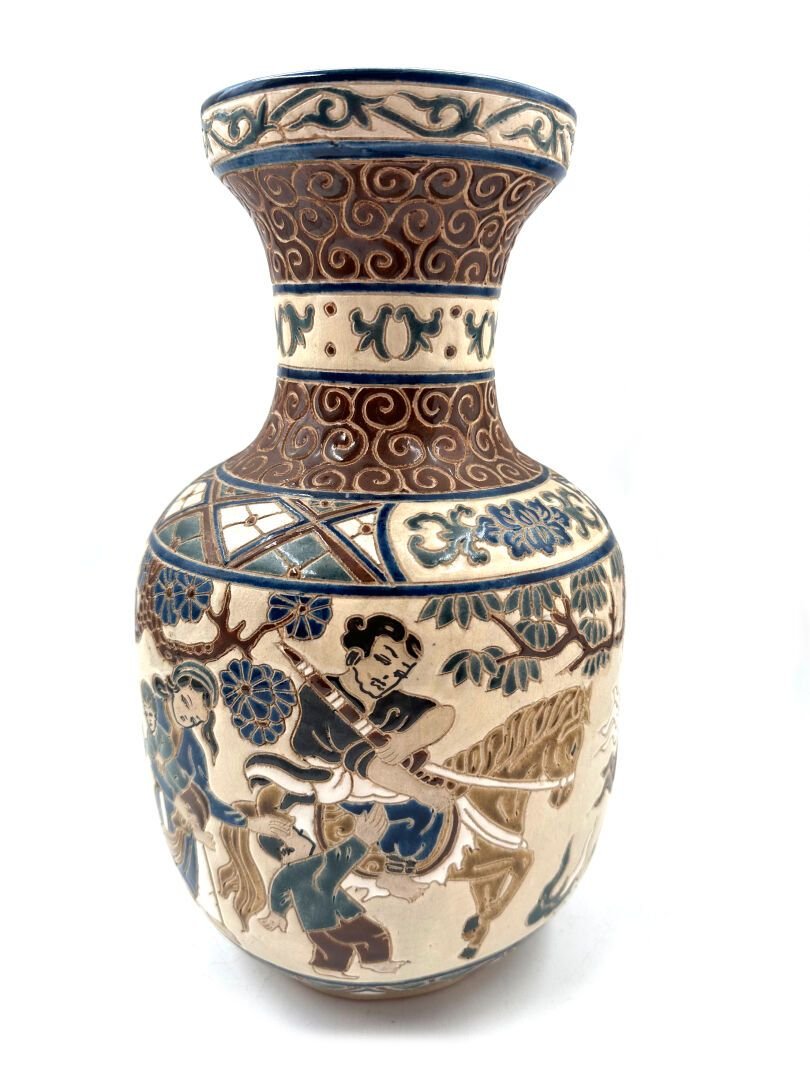
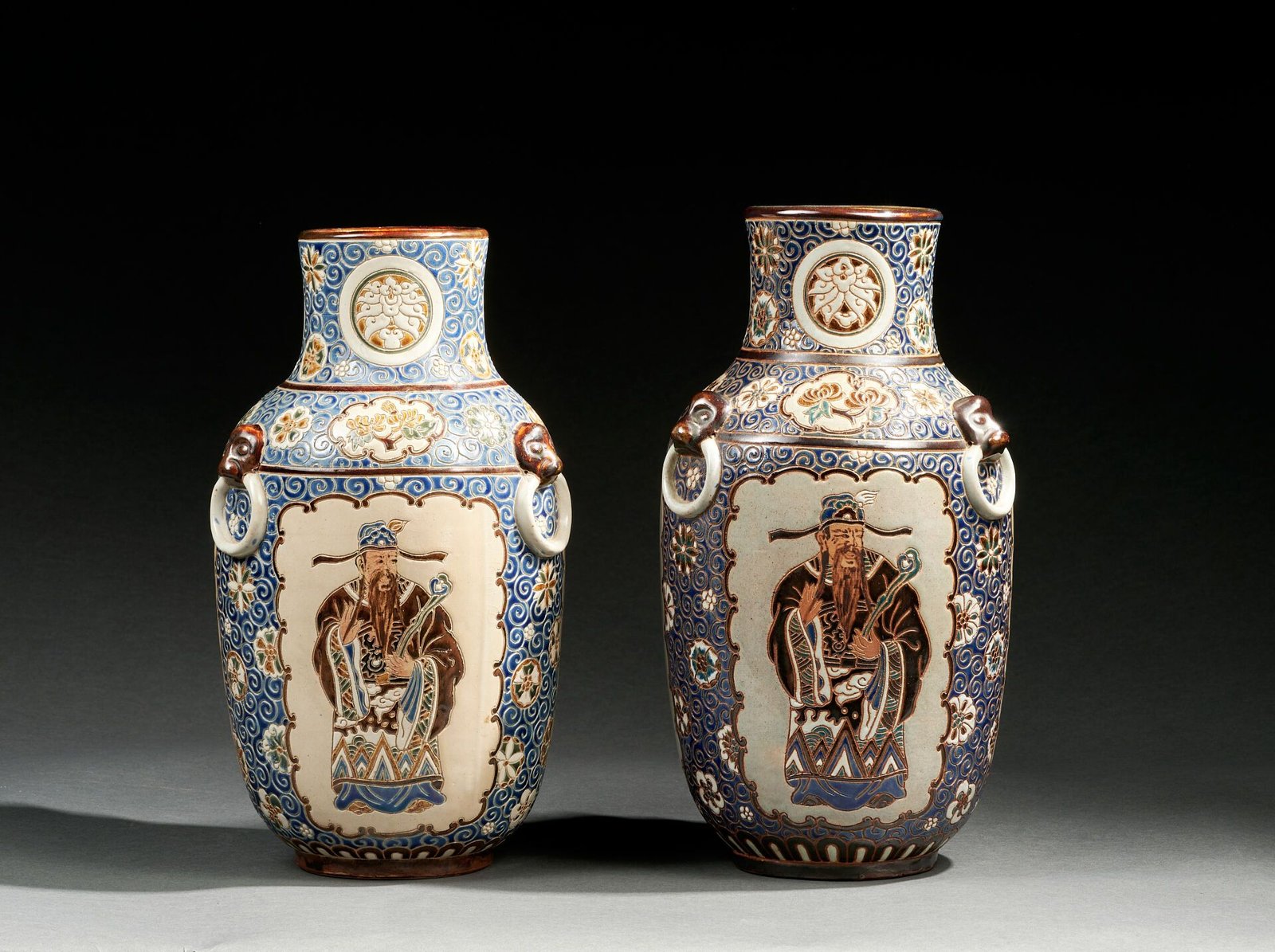
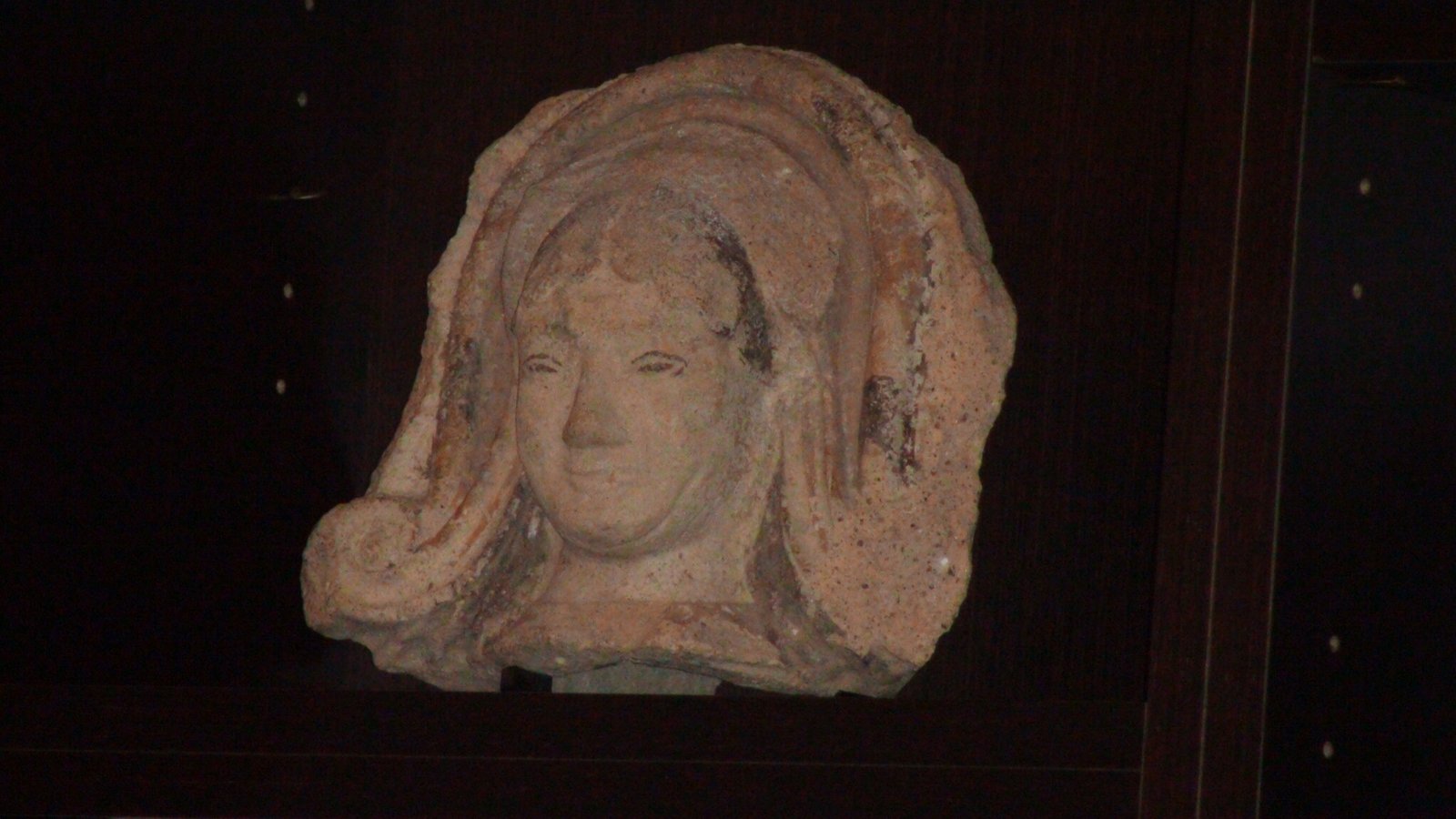
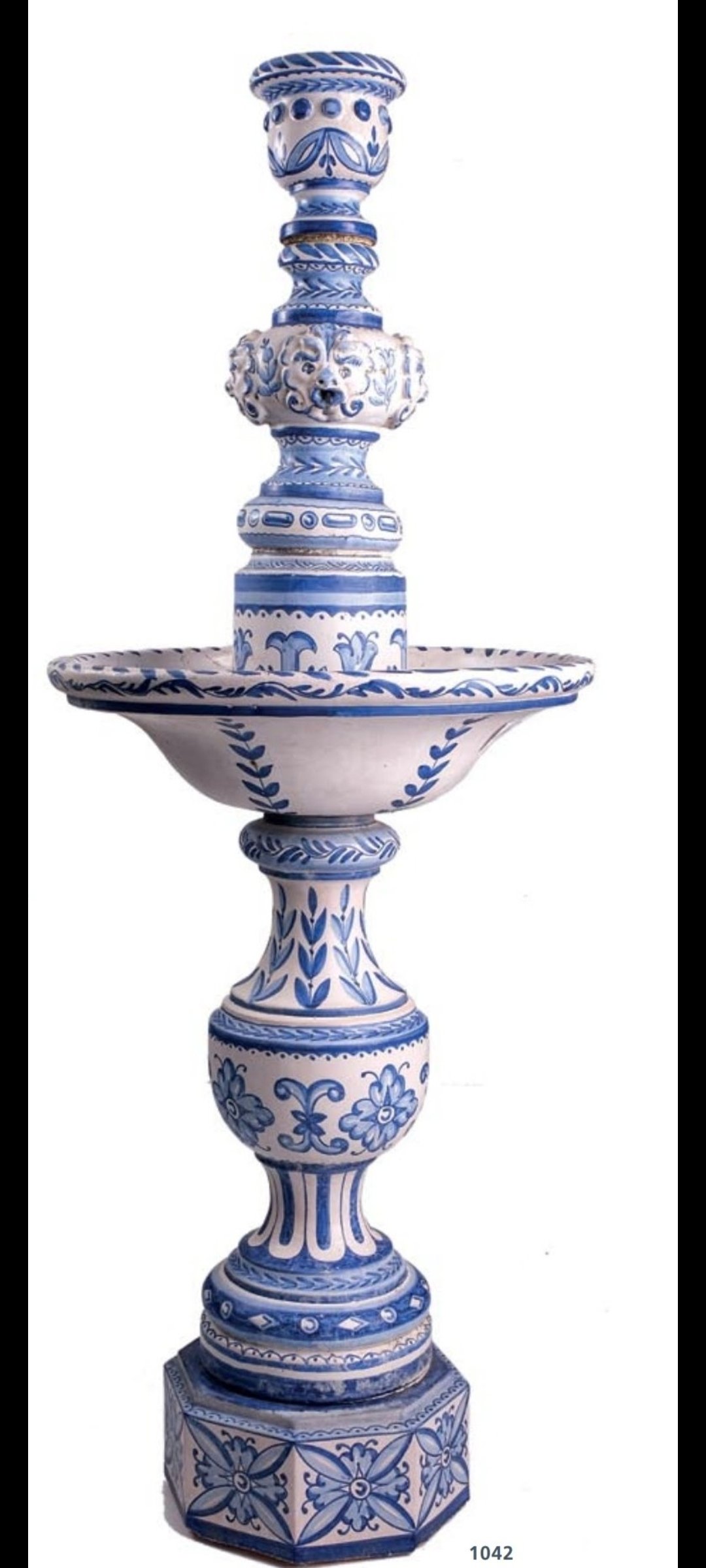
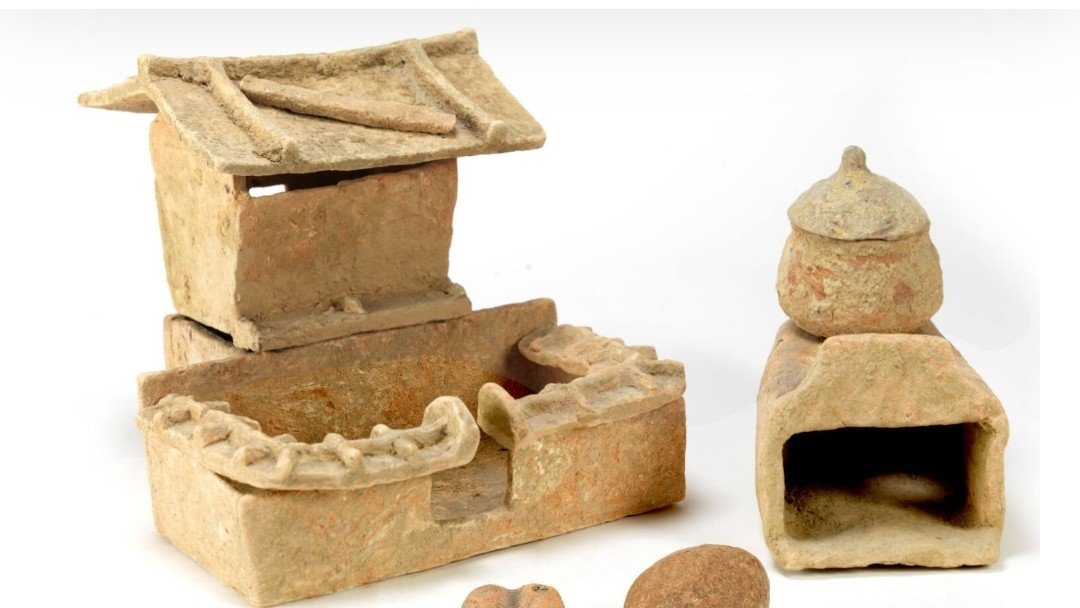
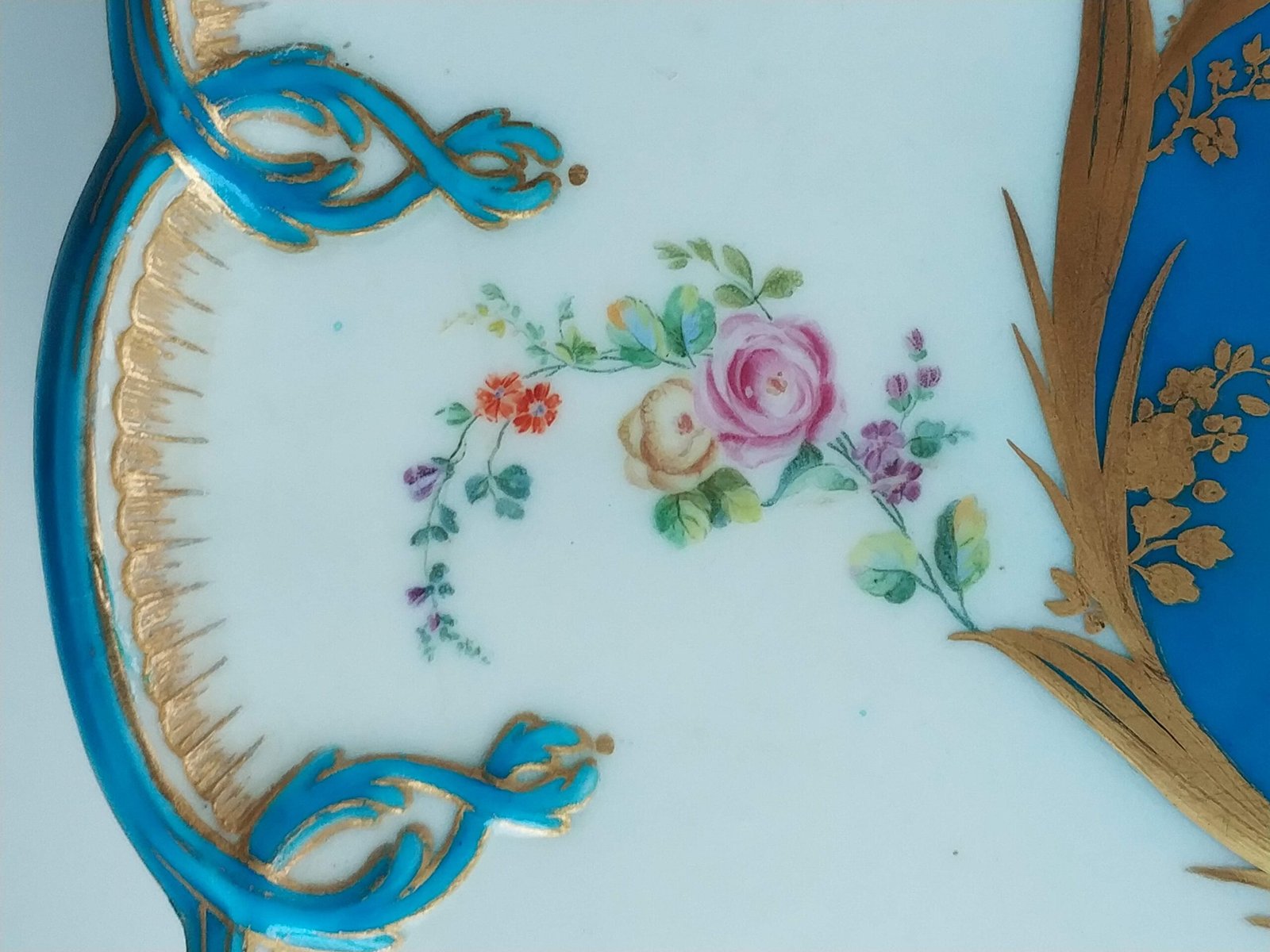
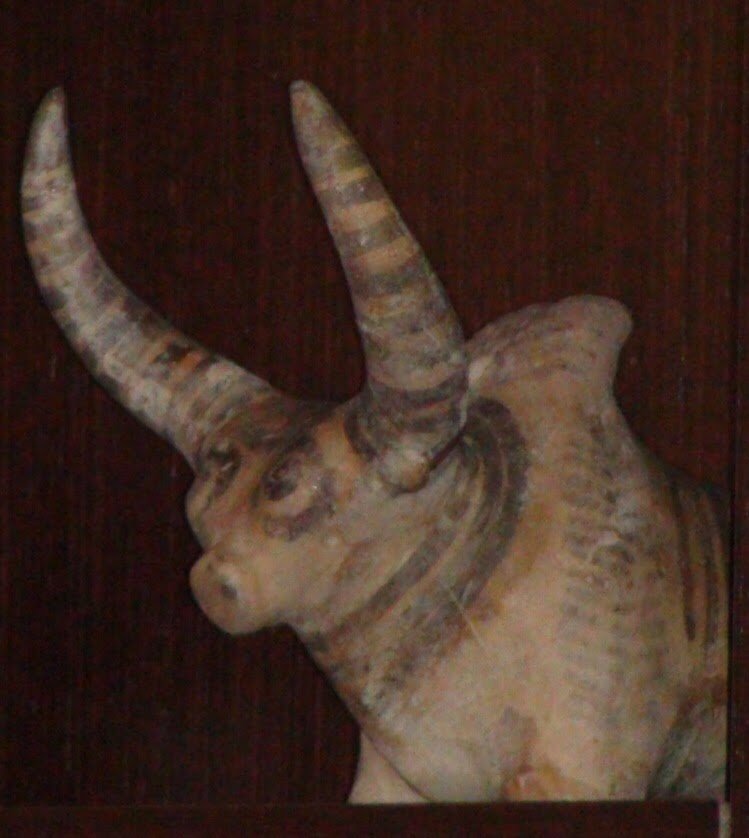
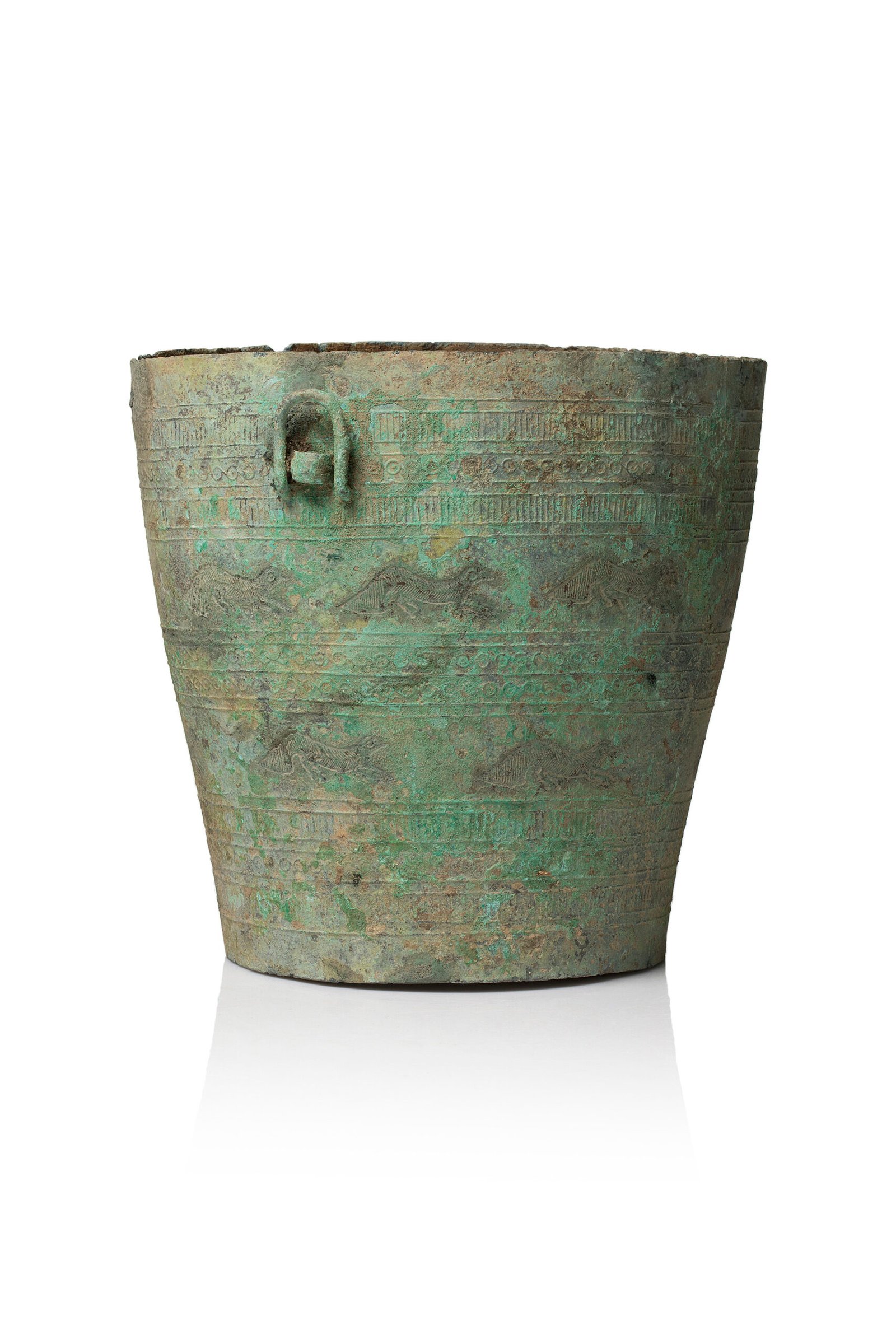
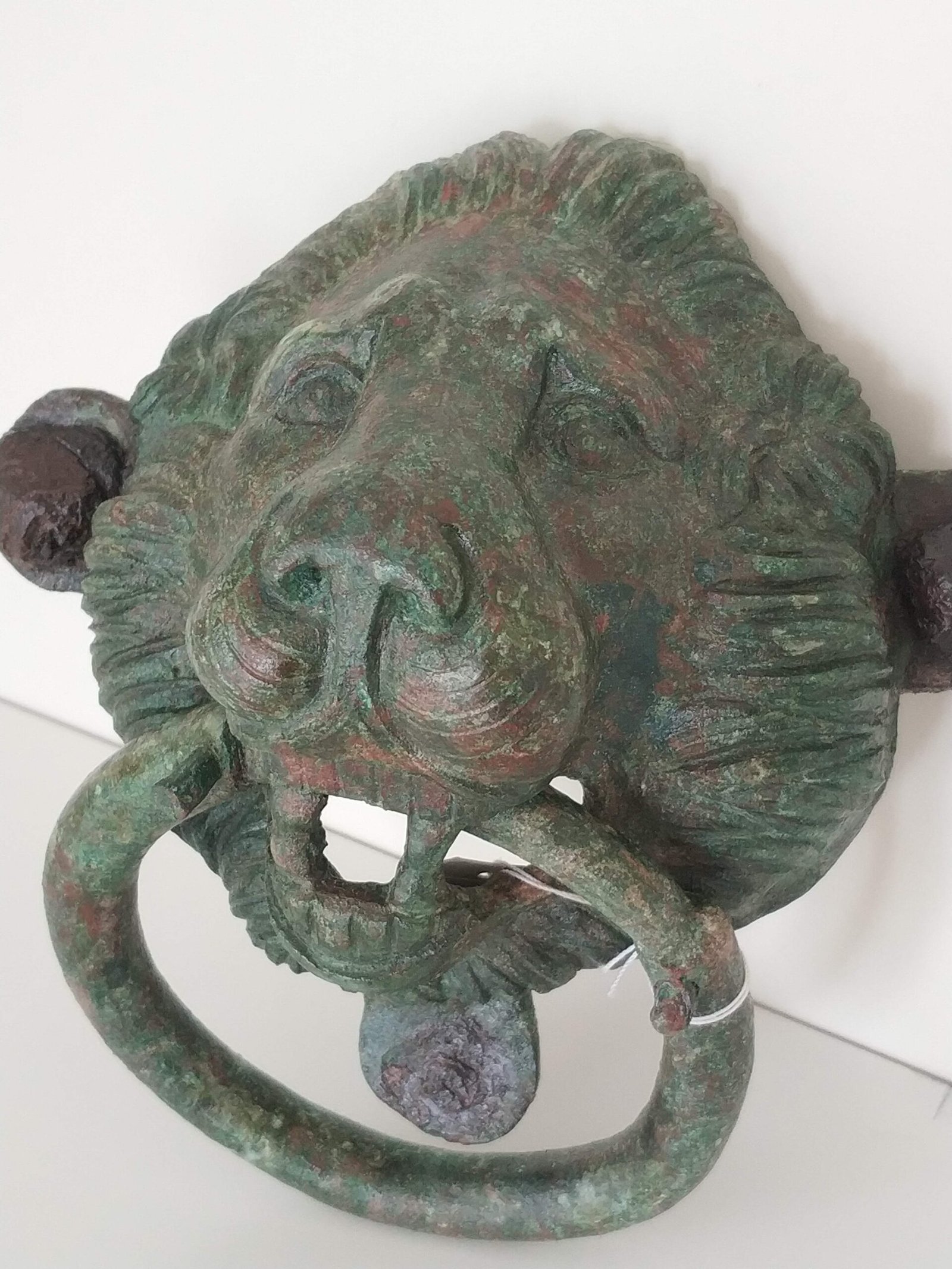
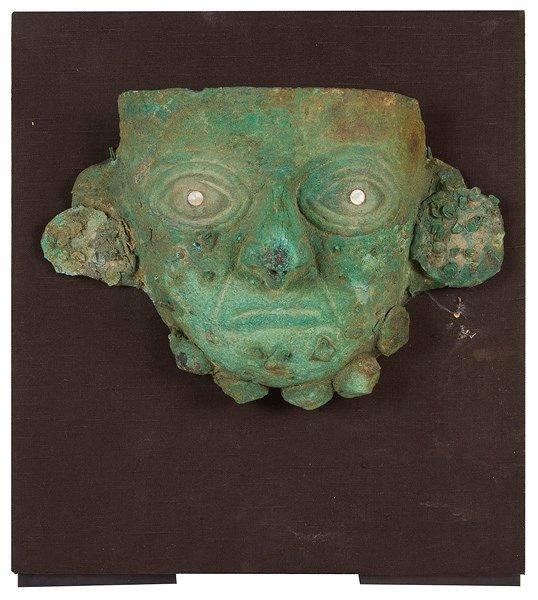
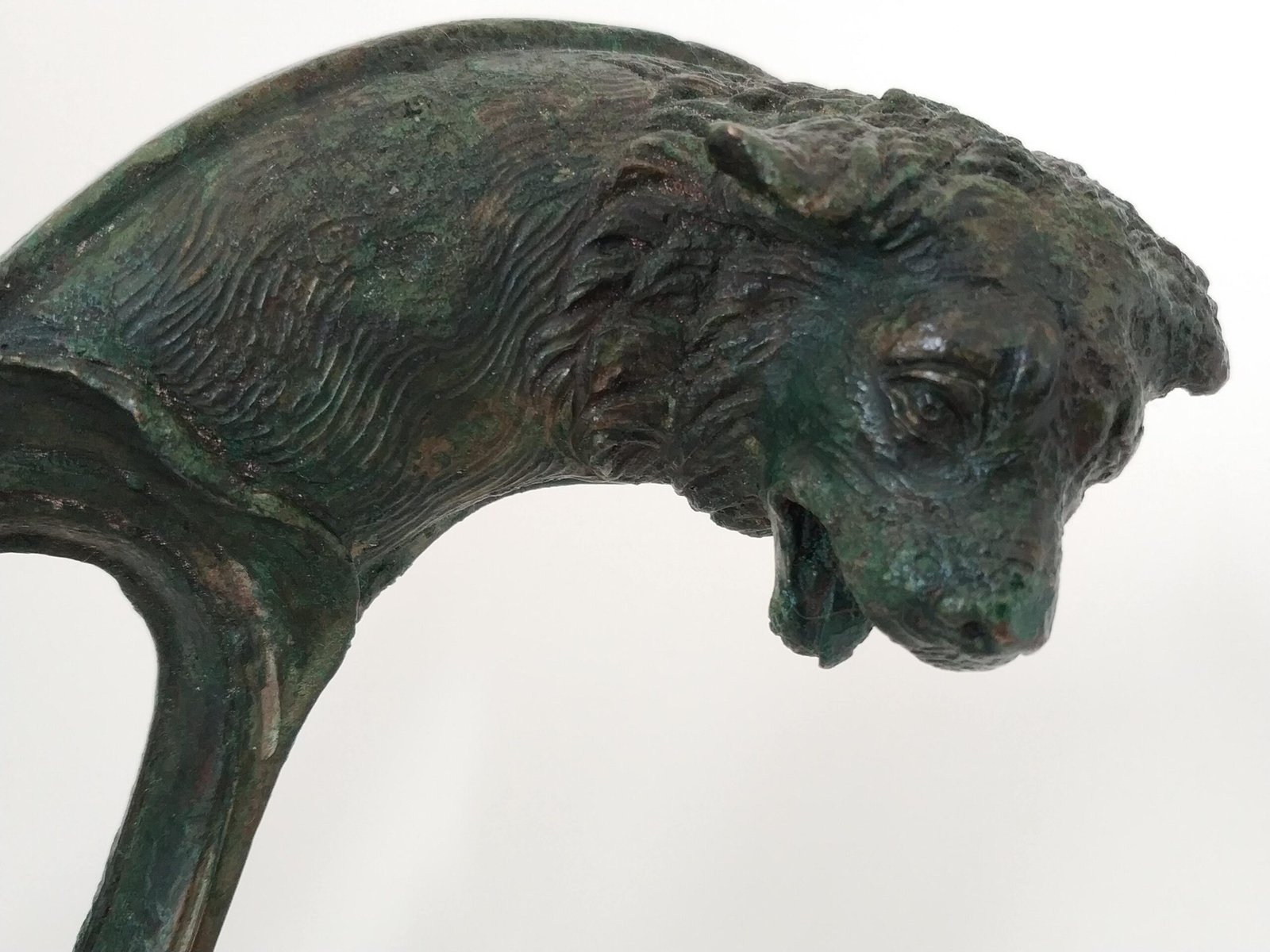
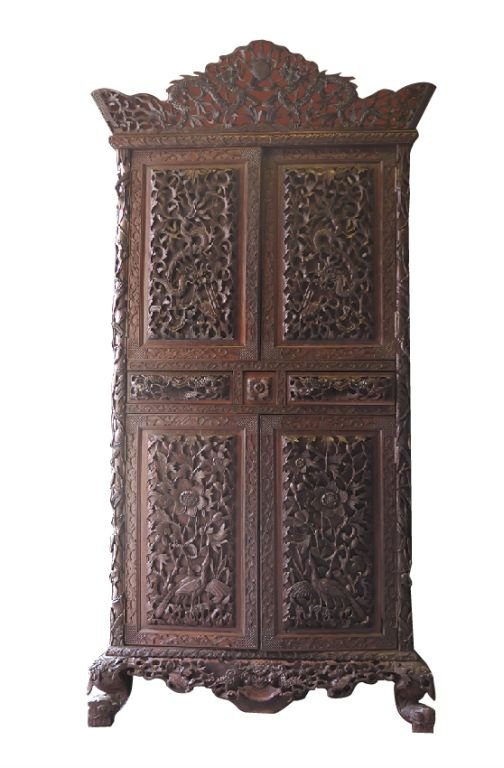
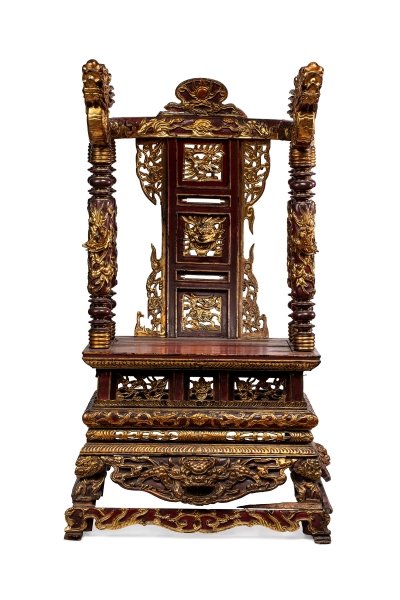
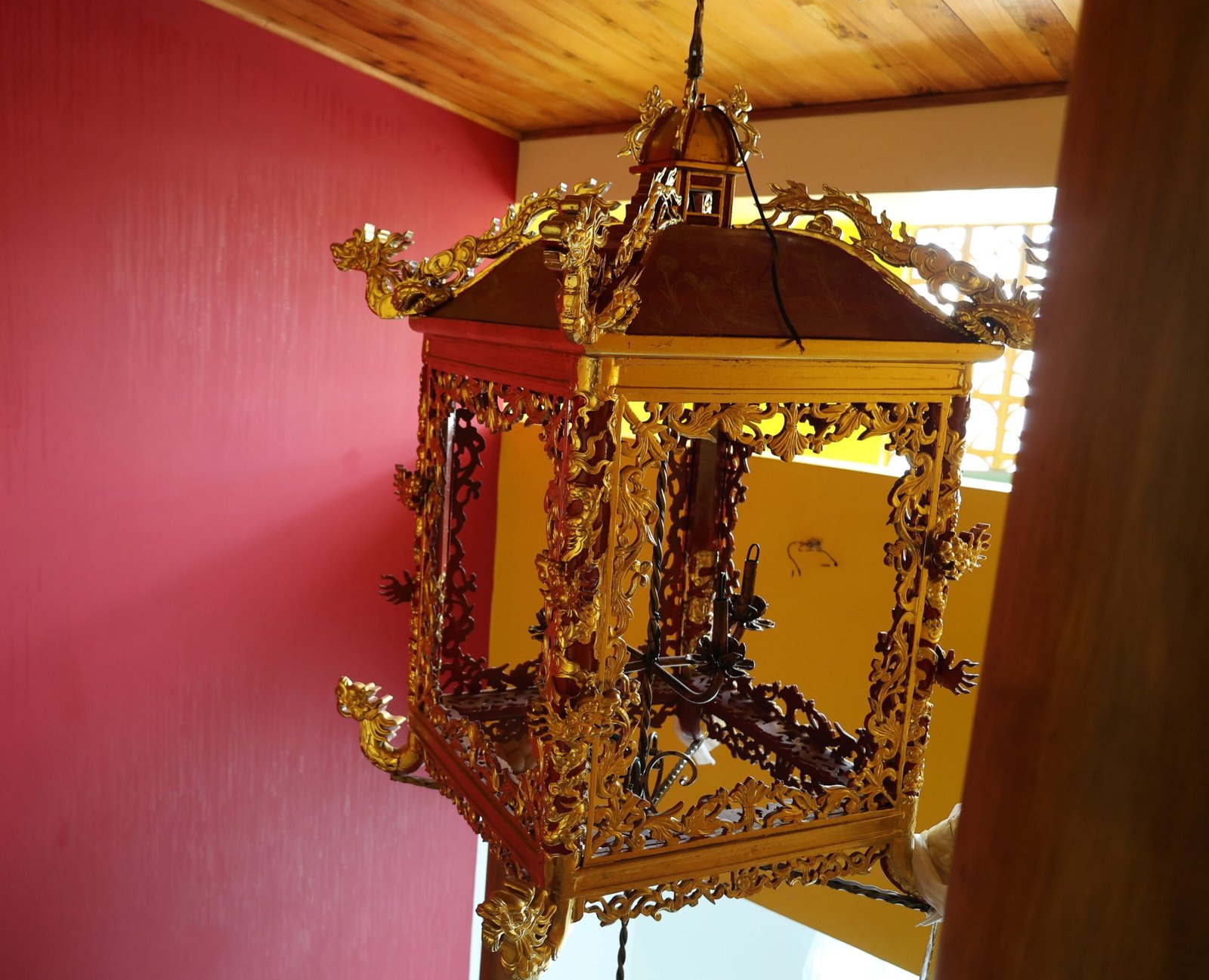
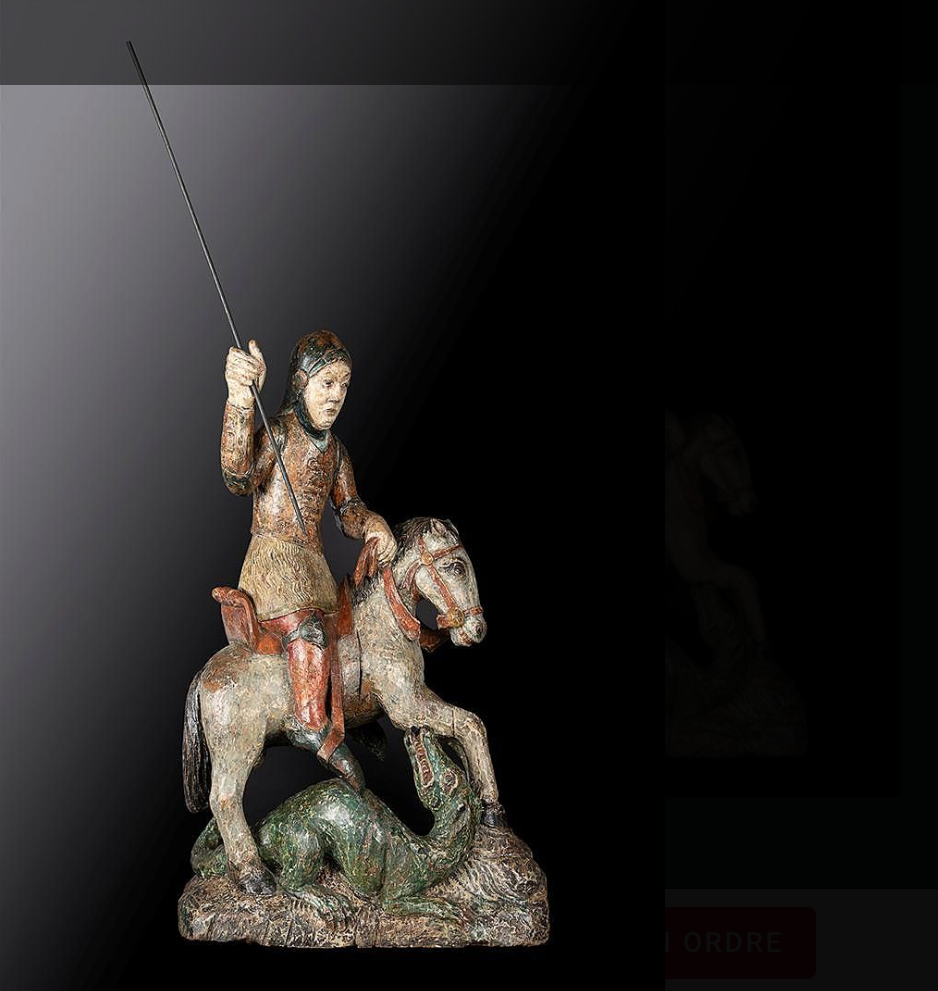
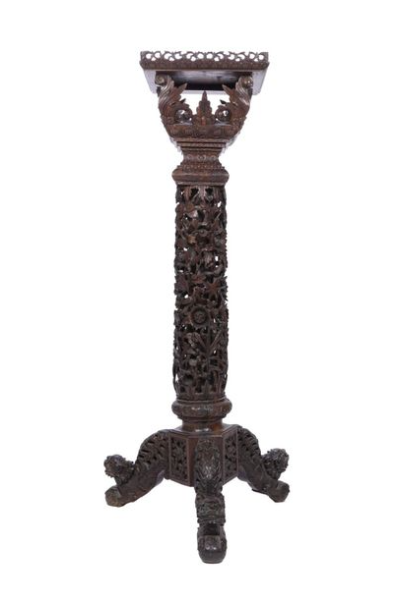
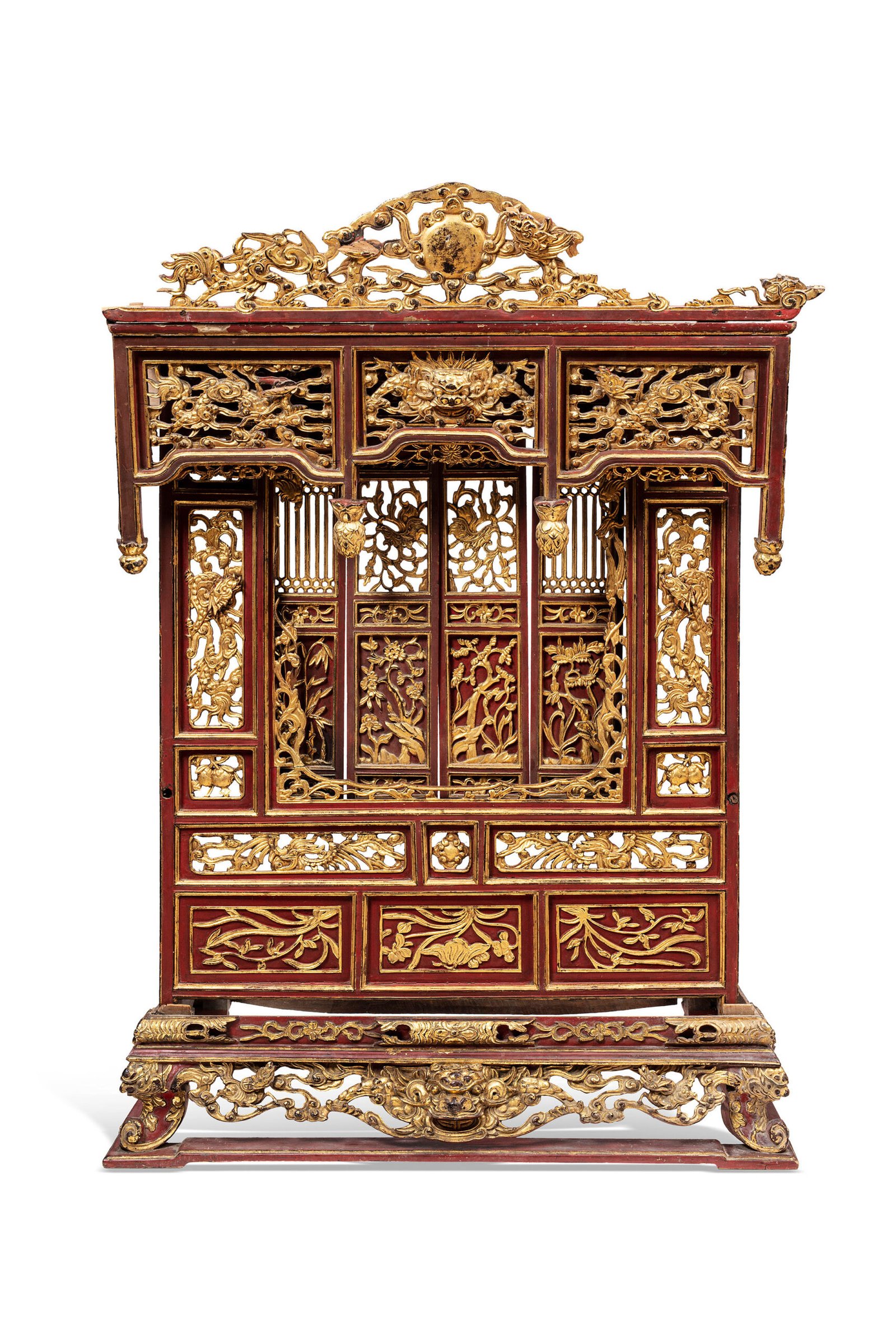
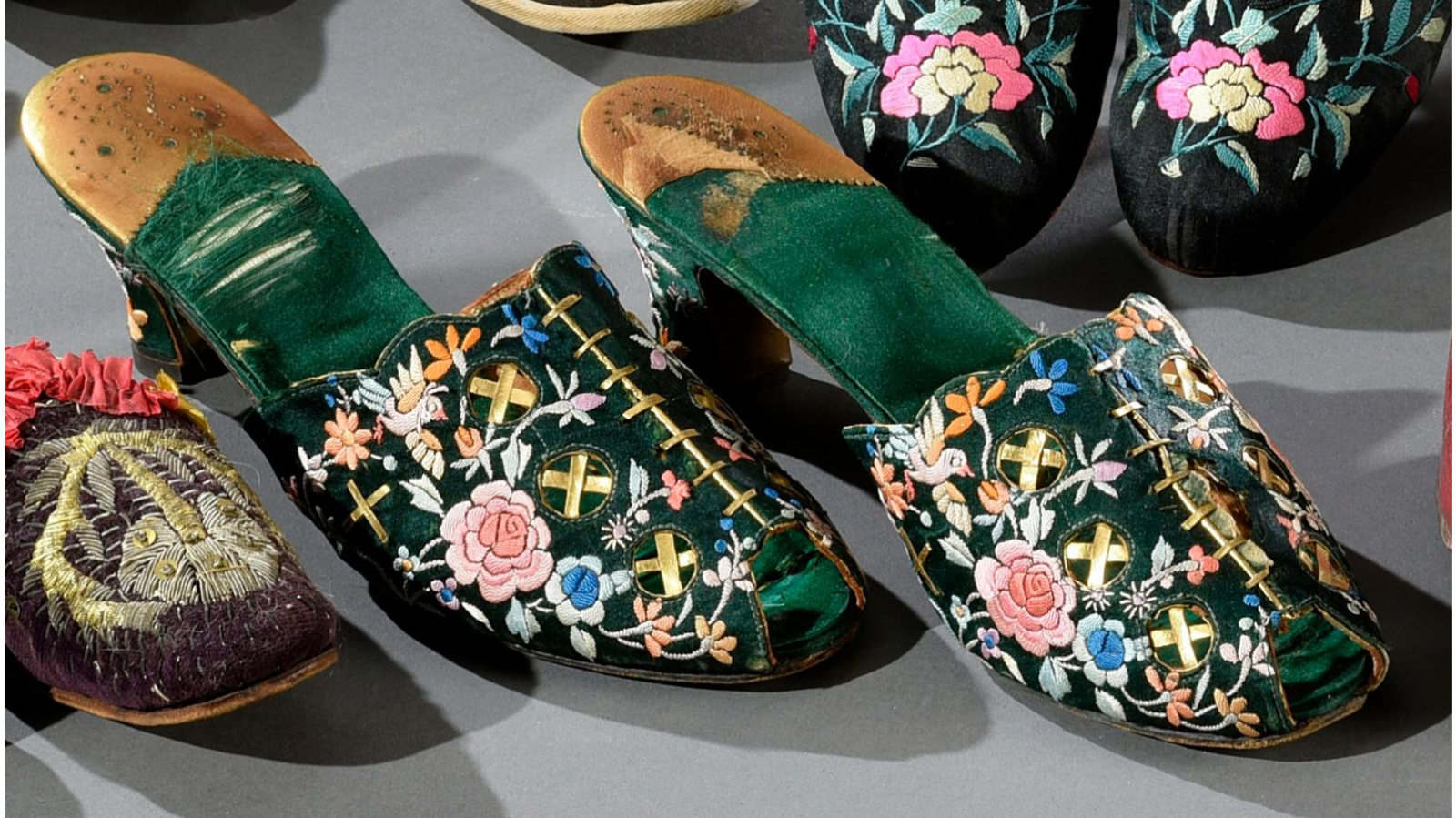
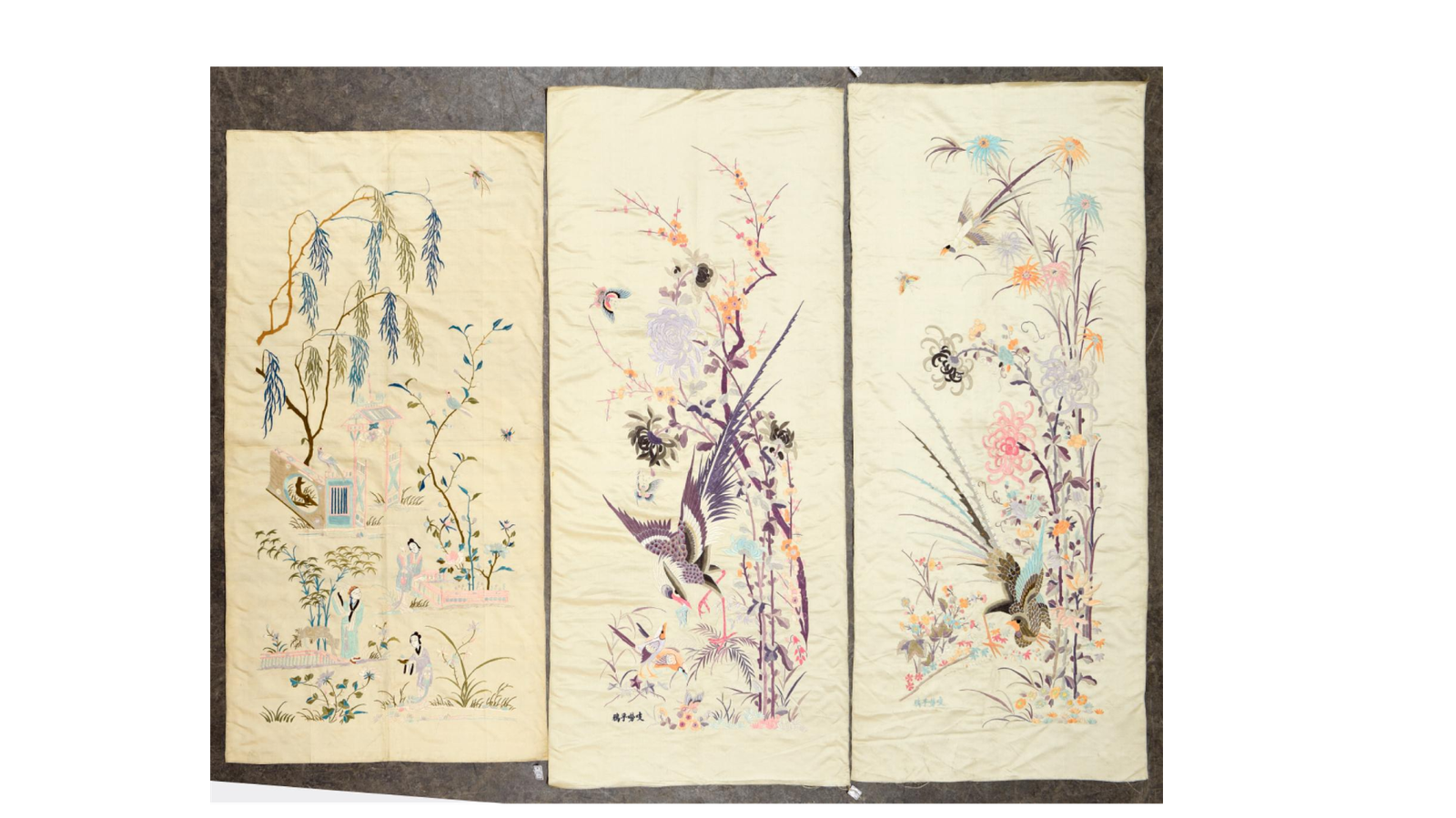
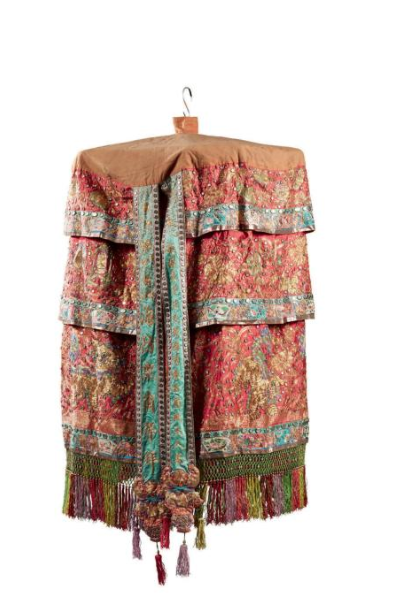
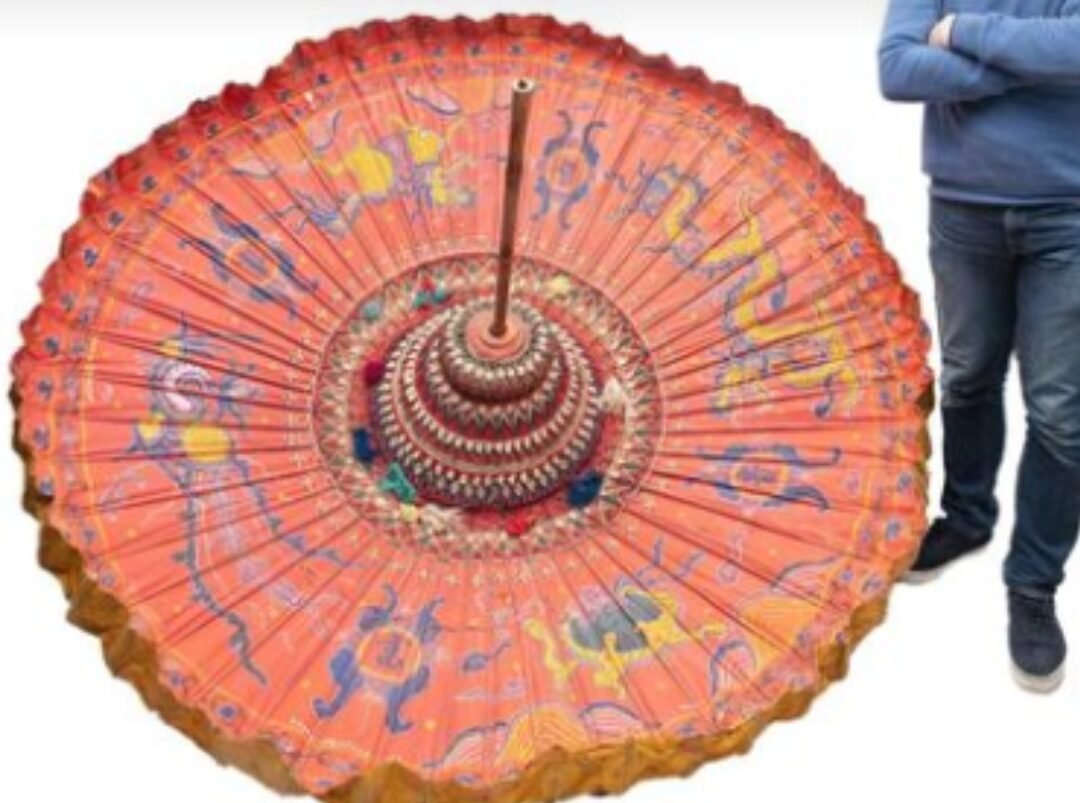
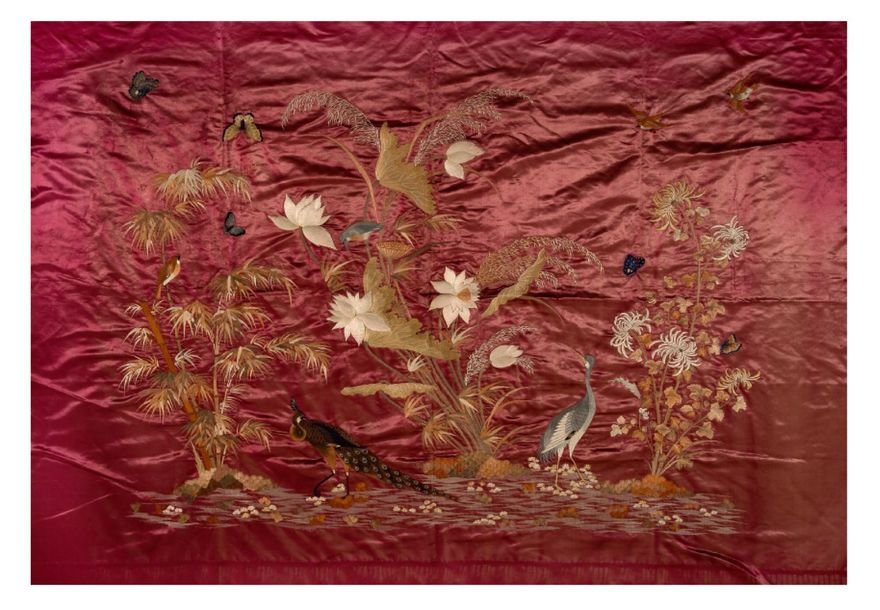
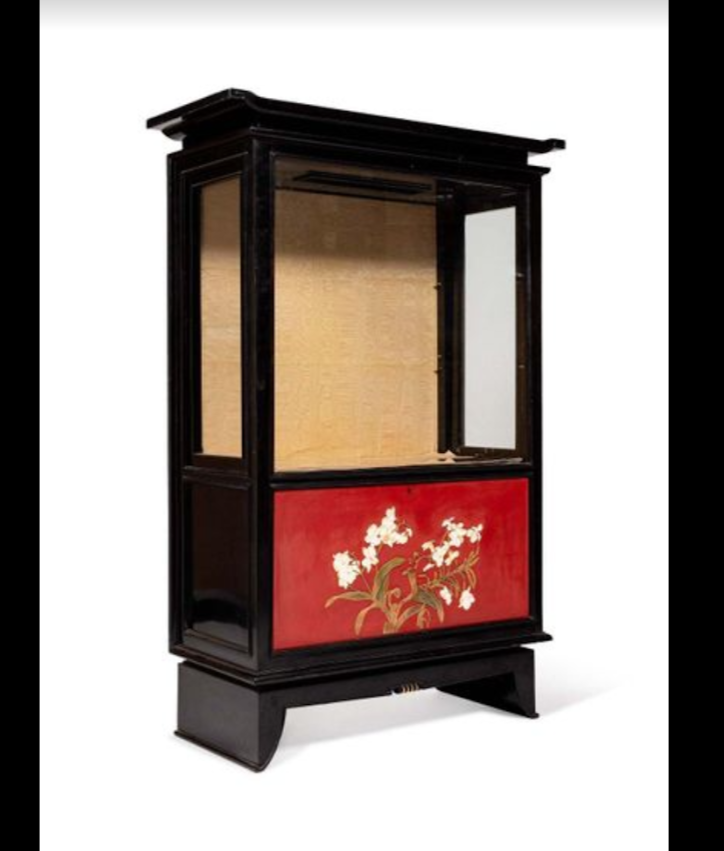
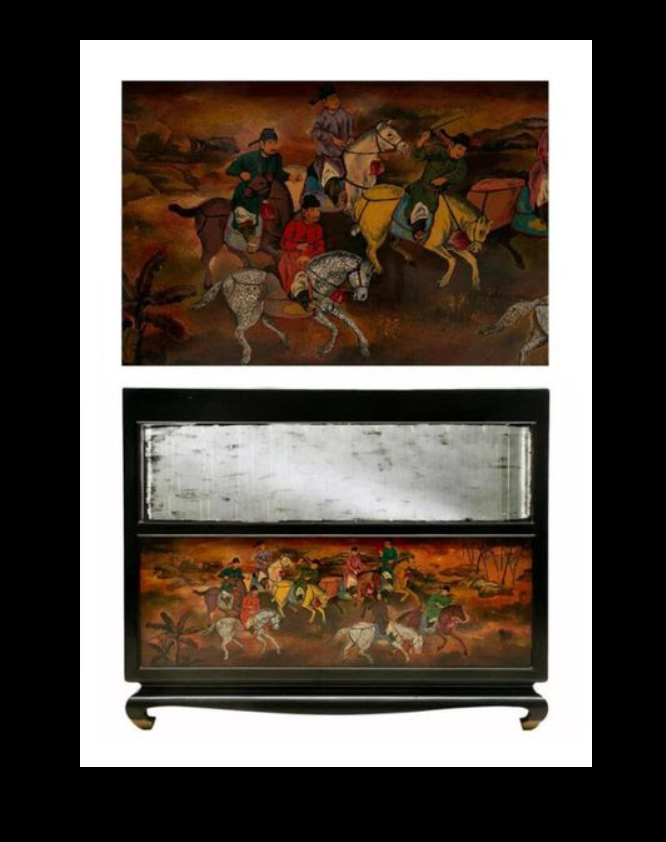
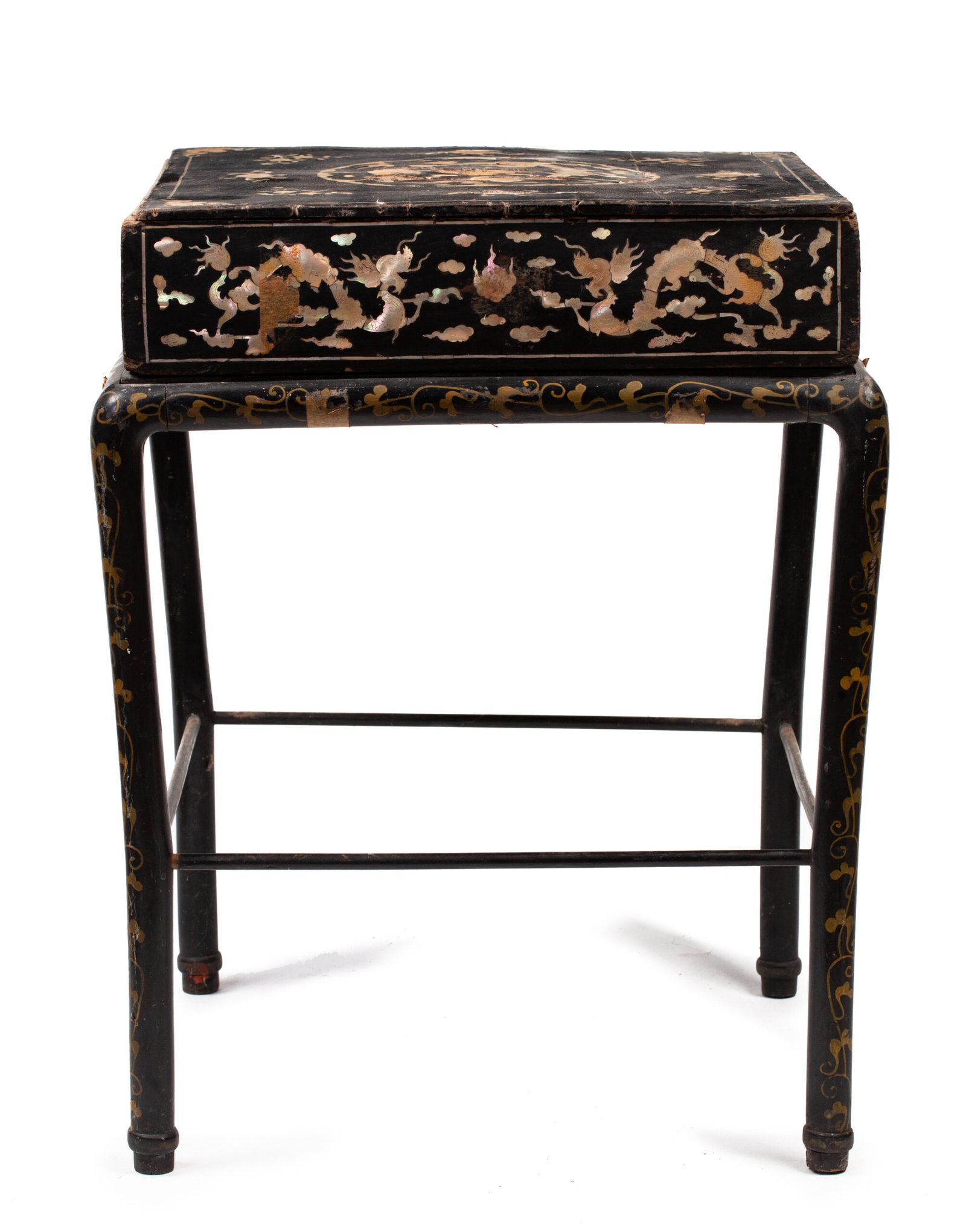
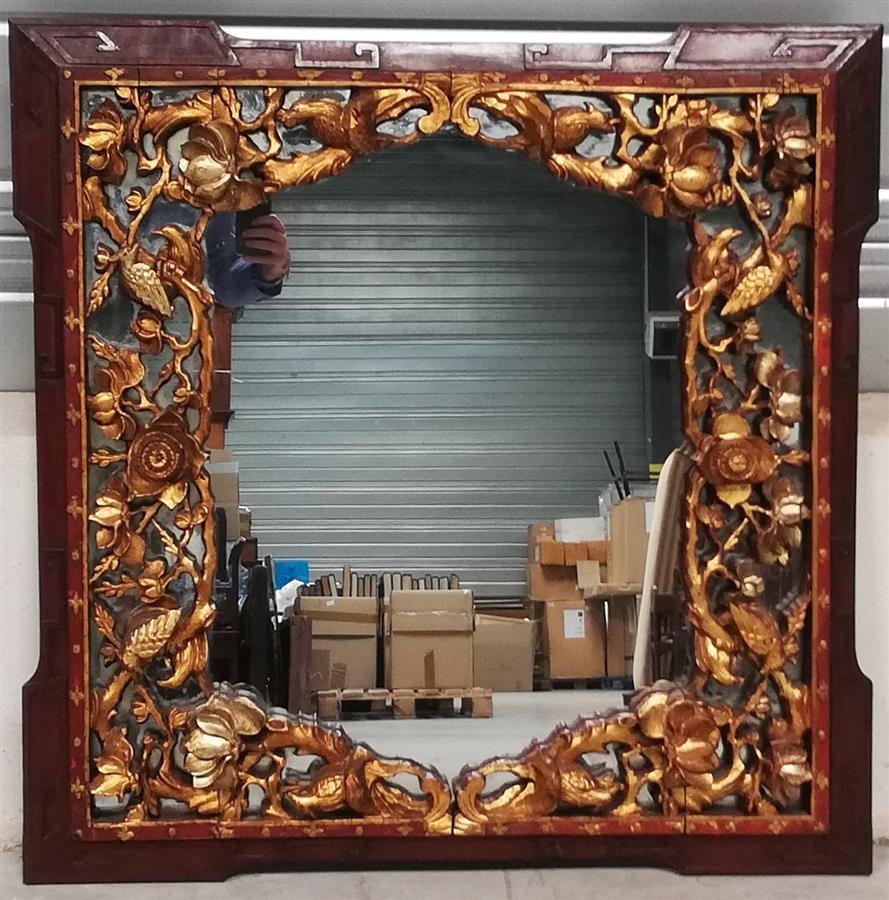
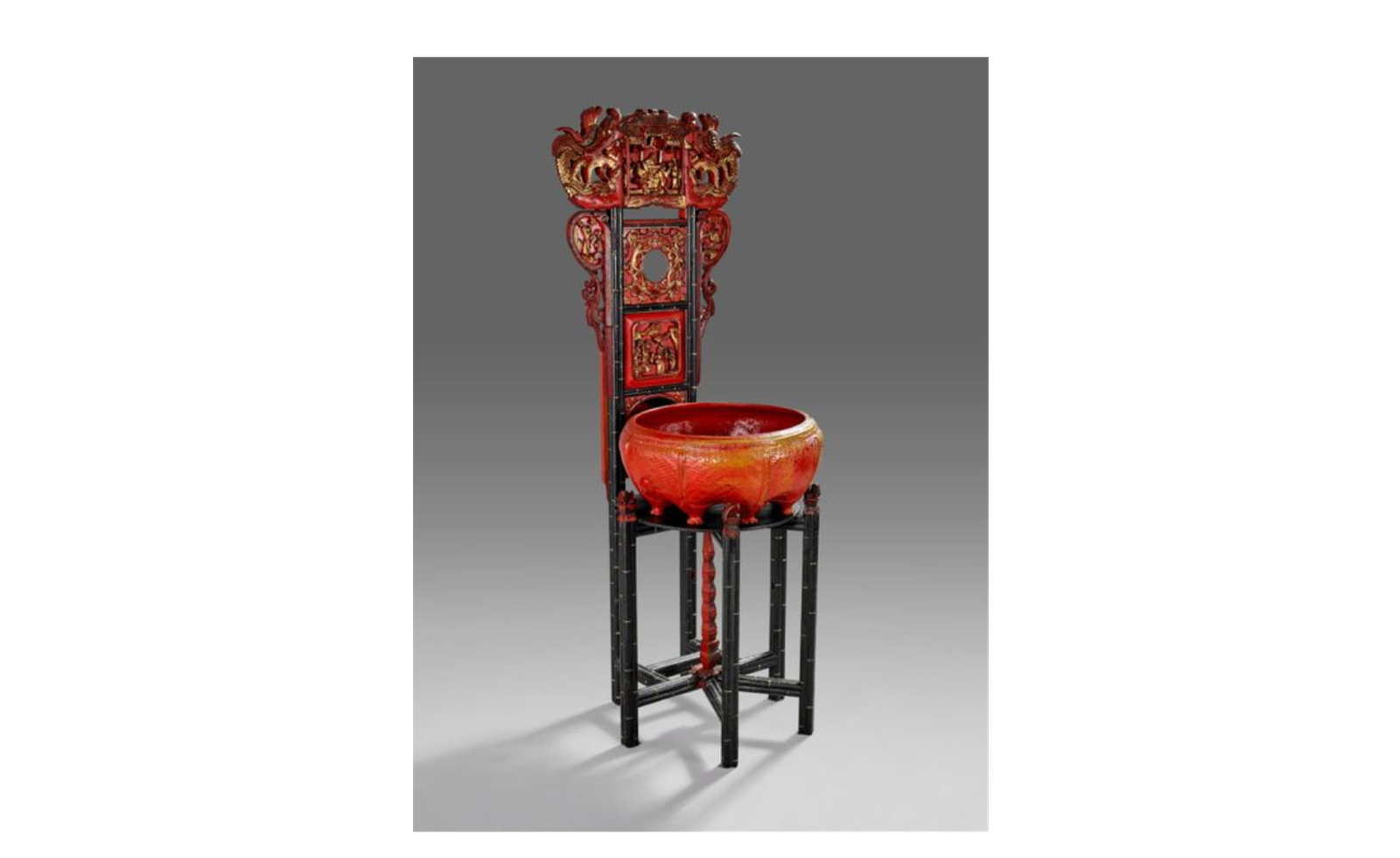
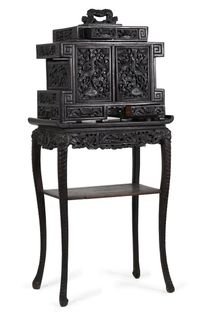
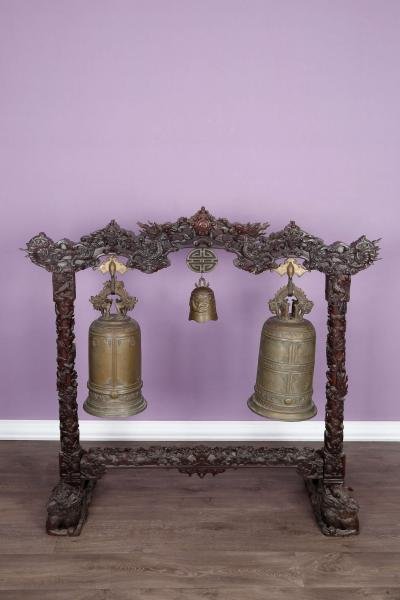
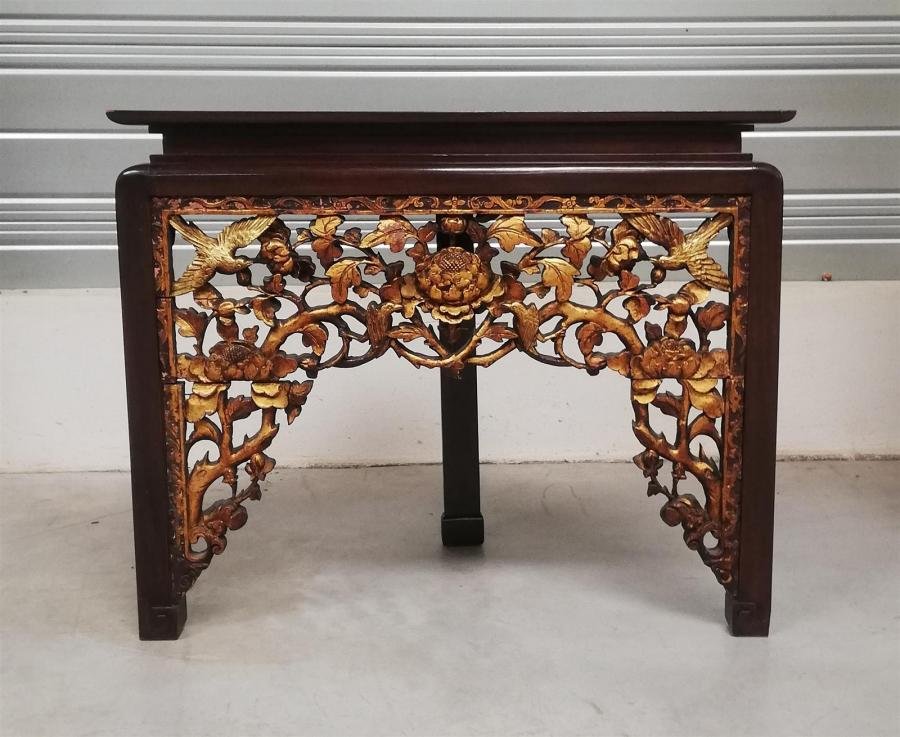
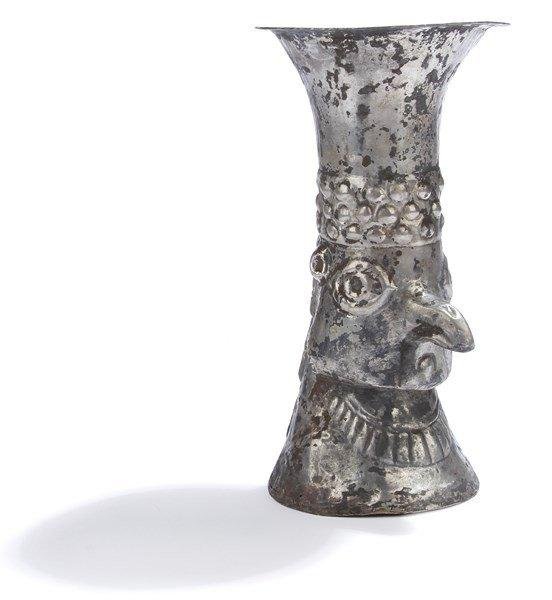
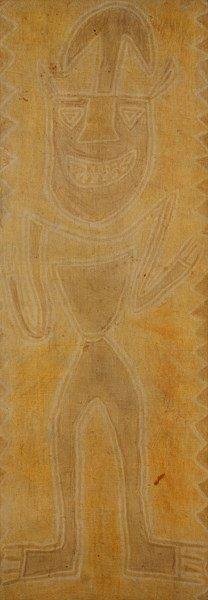
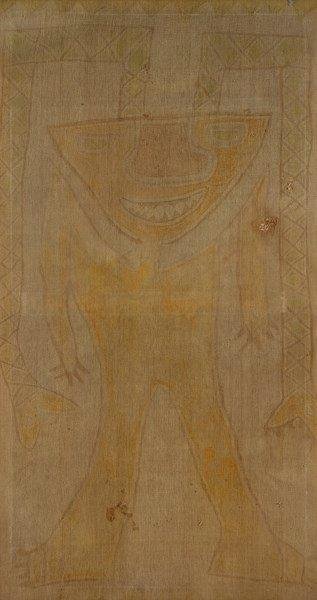
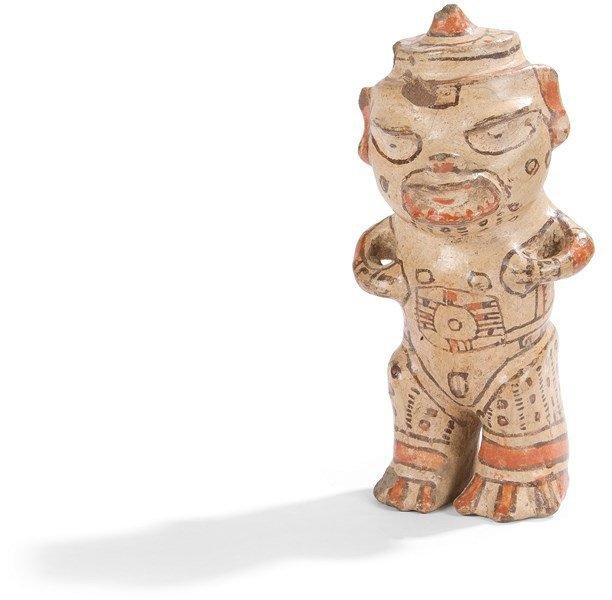
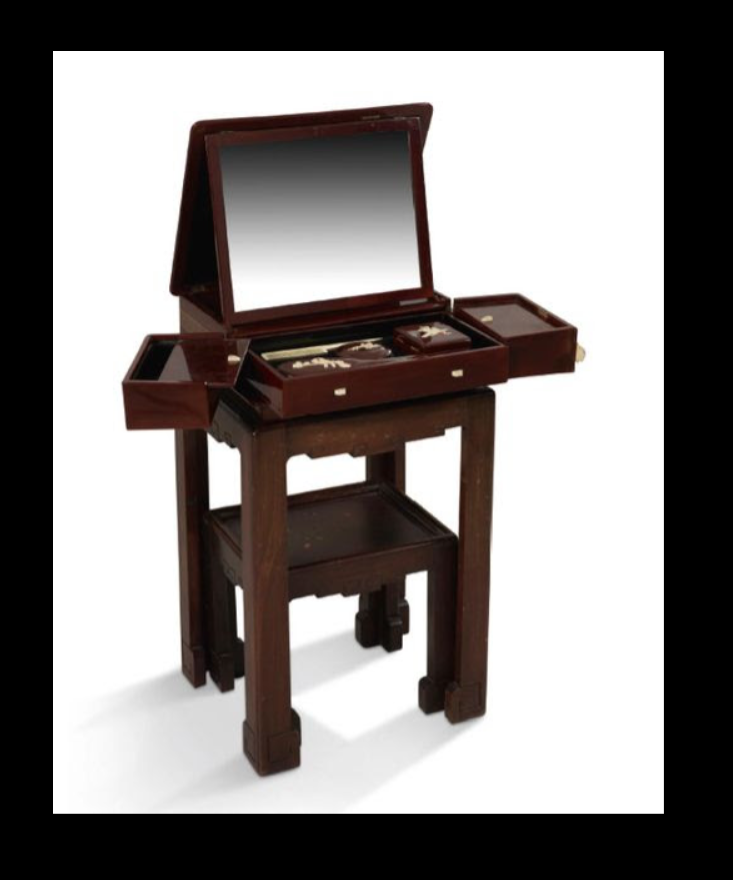
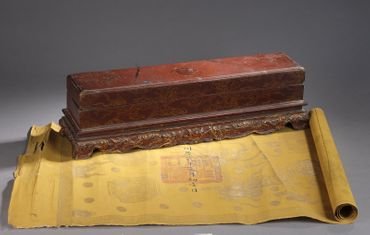
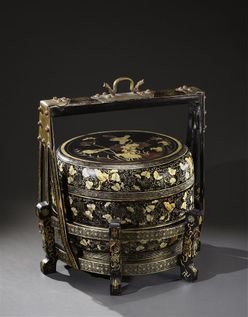
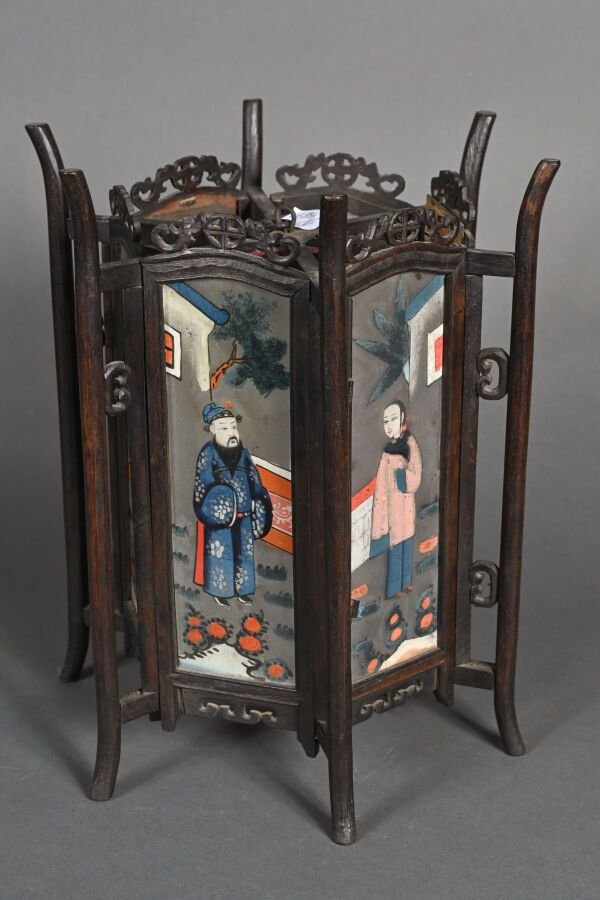
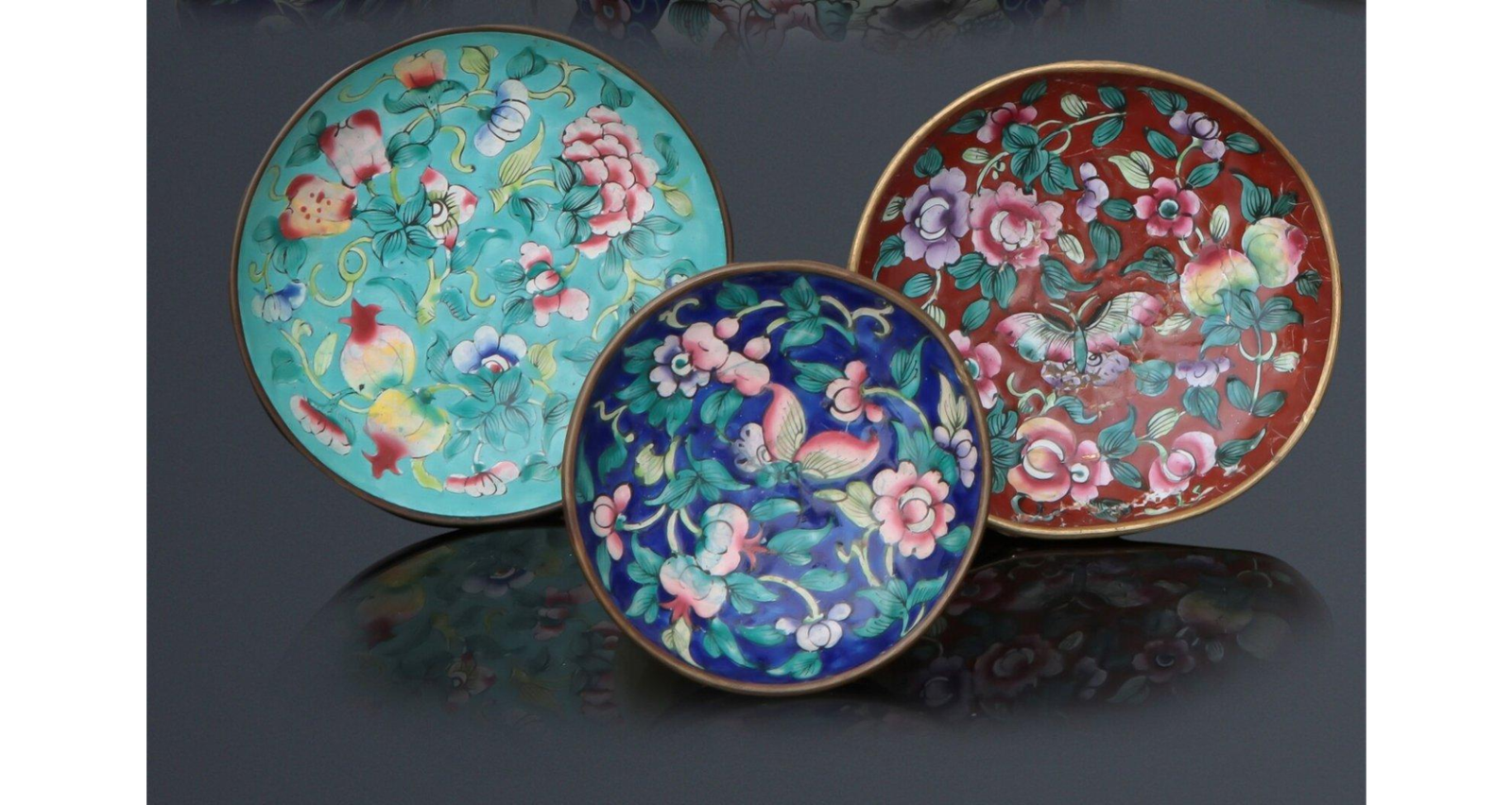
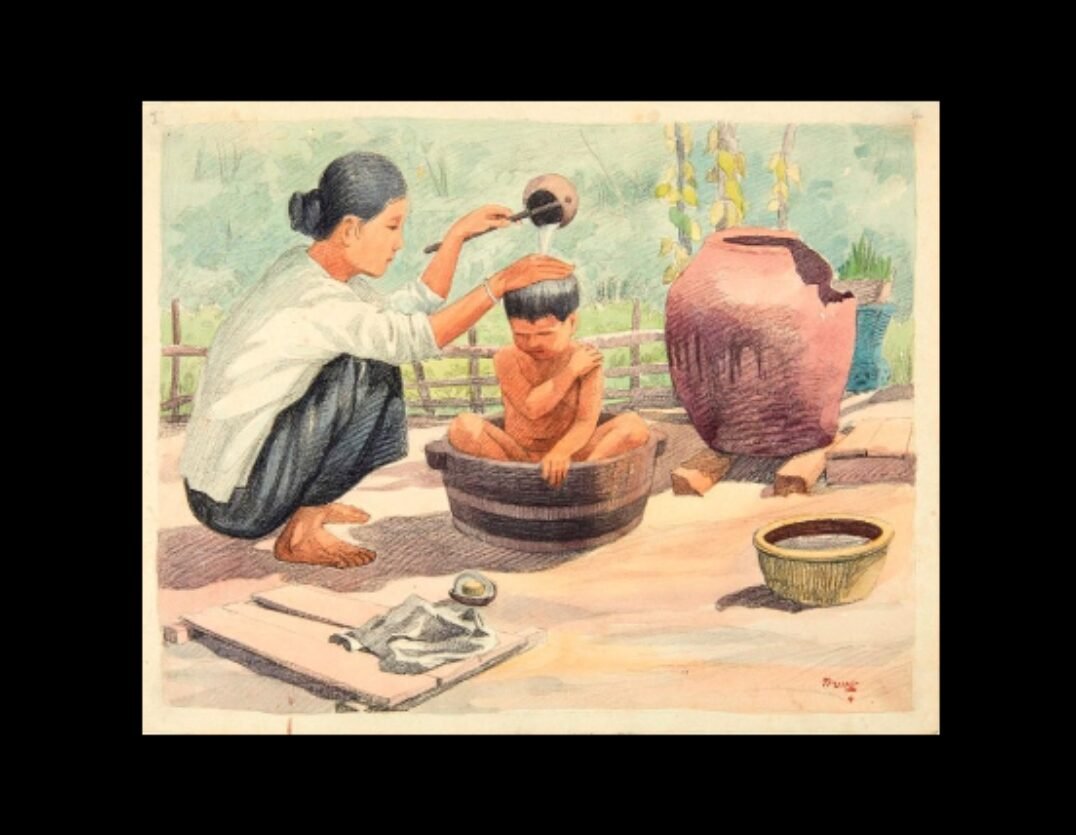
from the Huế Trust for Ancient Art through our parent company, LOR Vietnam. While we are not a museum in any way (!), these things full of life & soul are there around us to please both sense and minds.
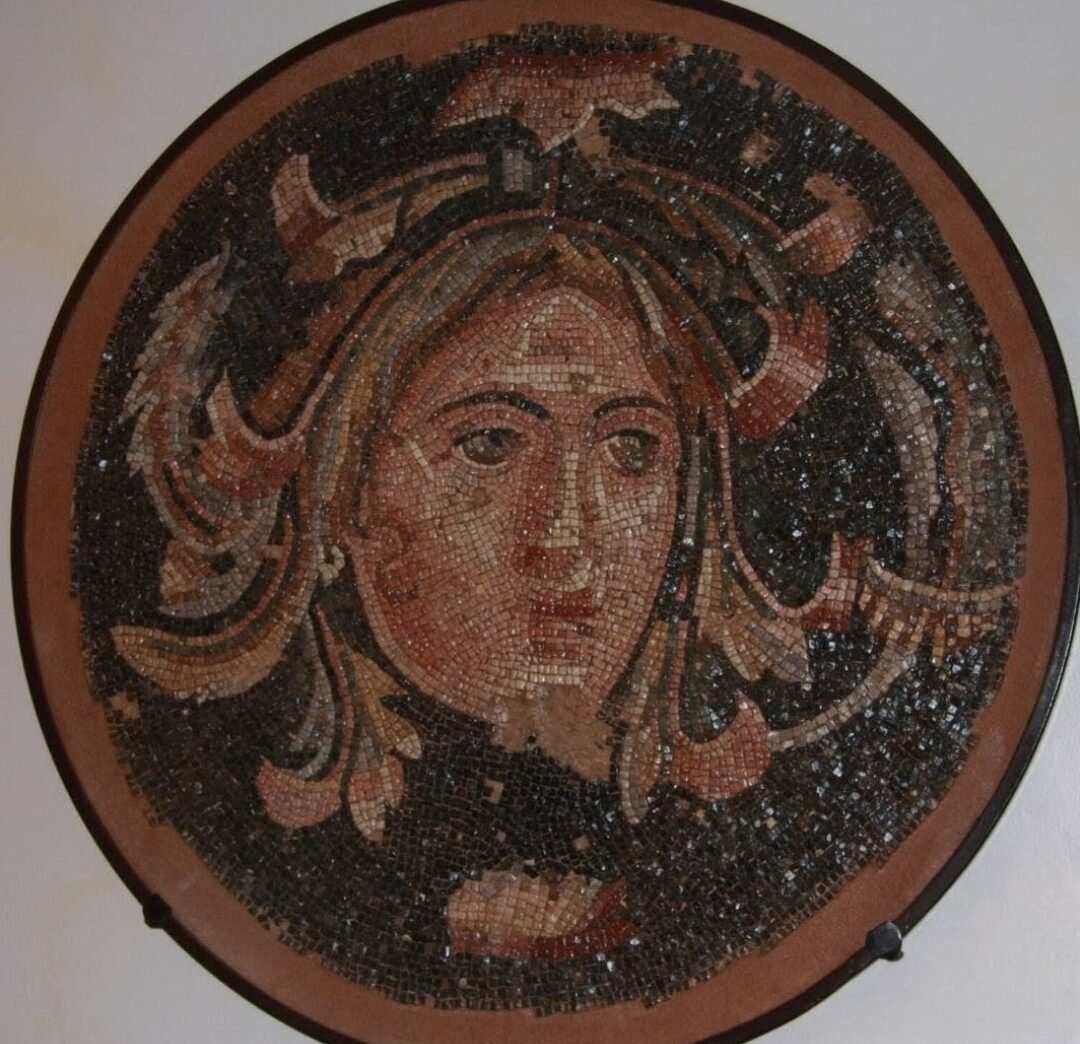
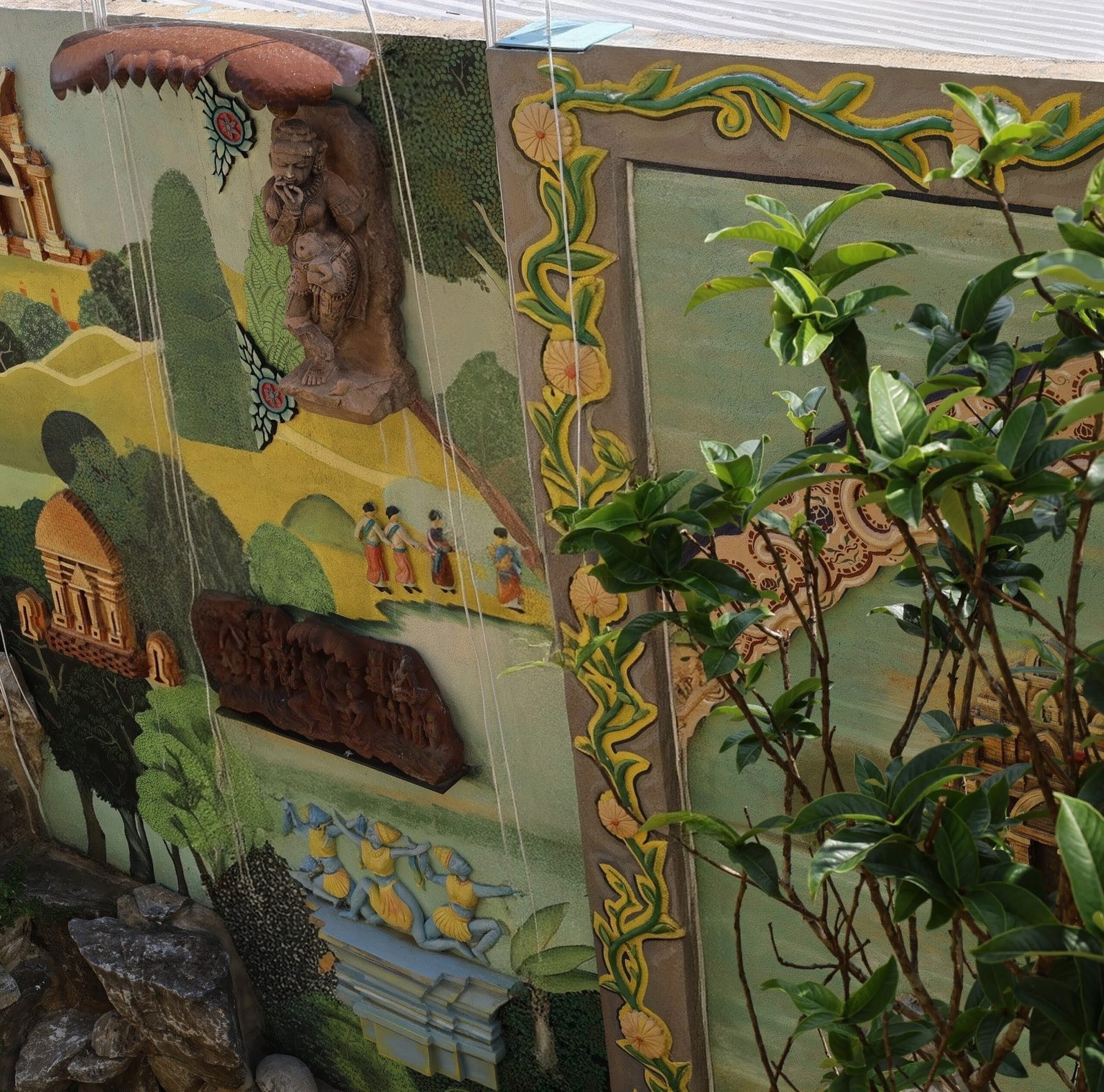
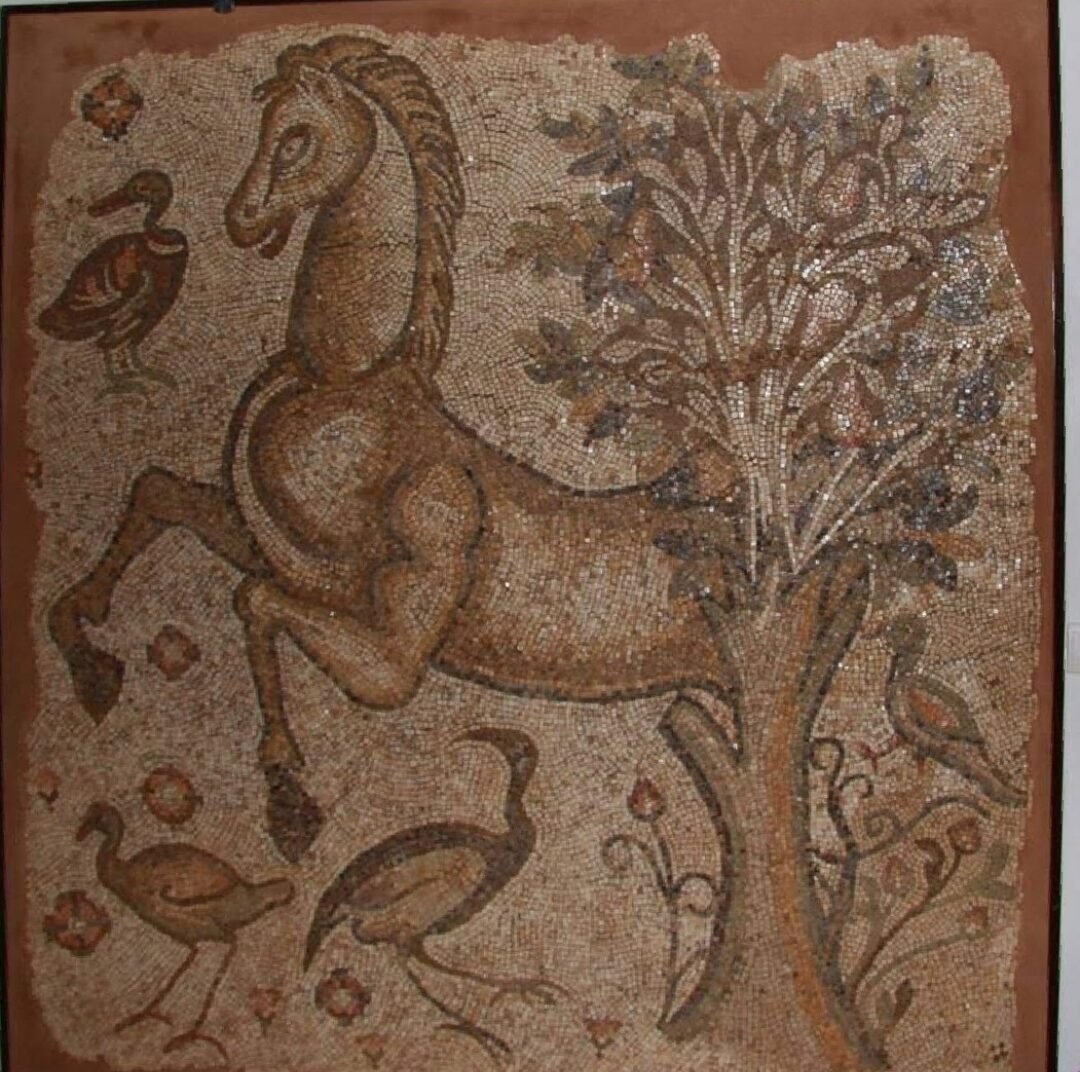
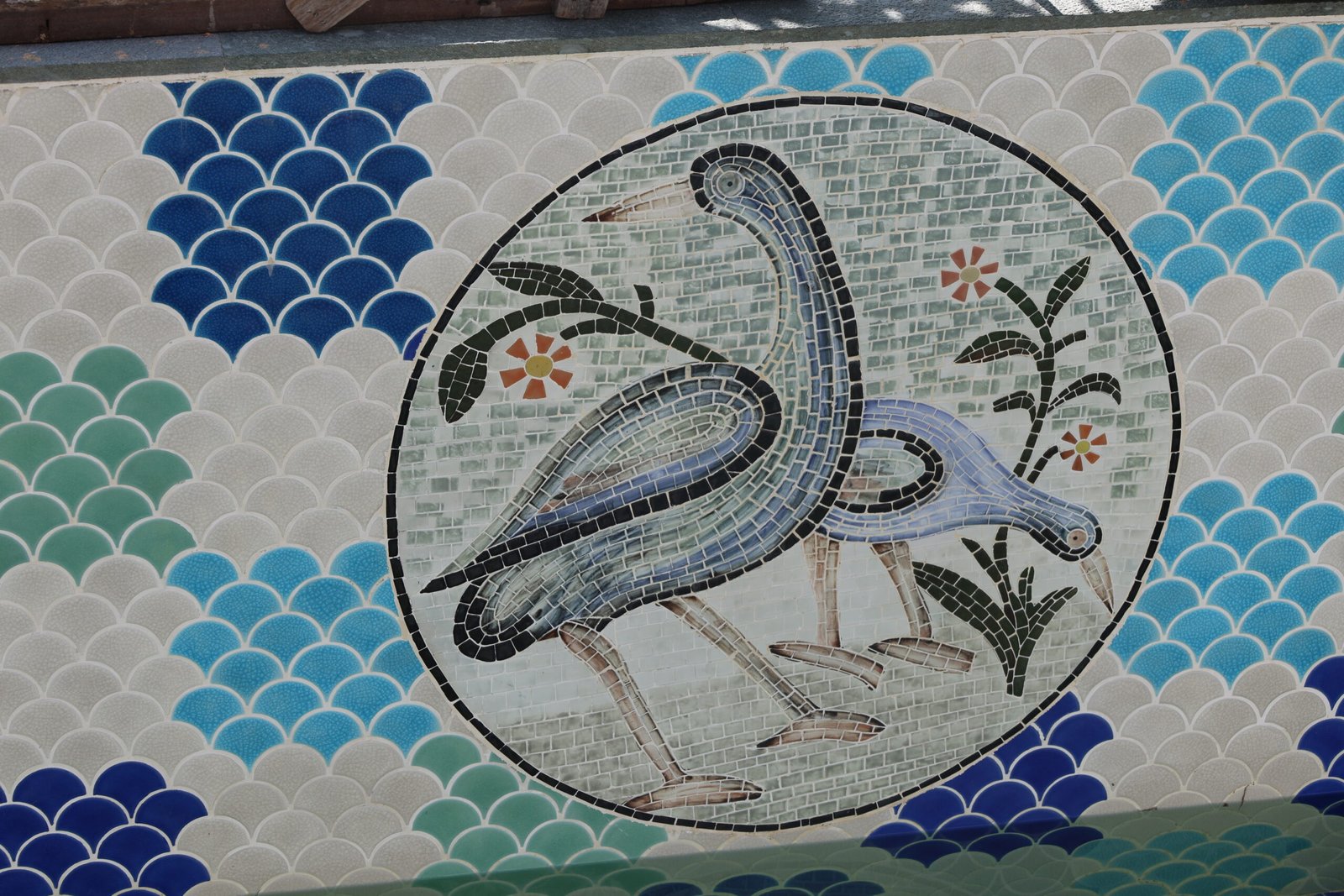
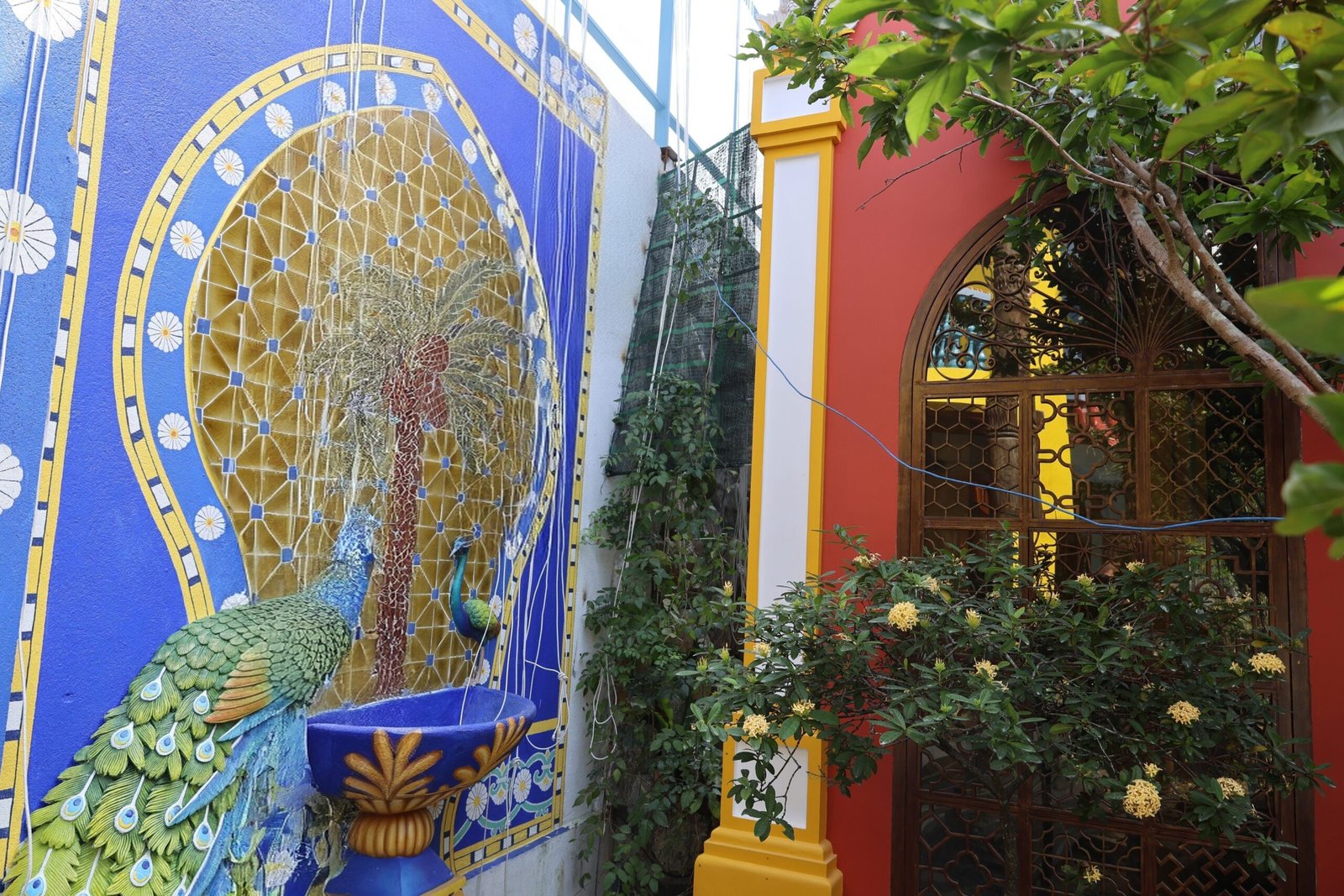
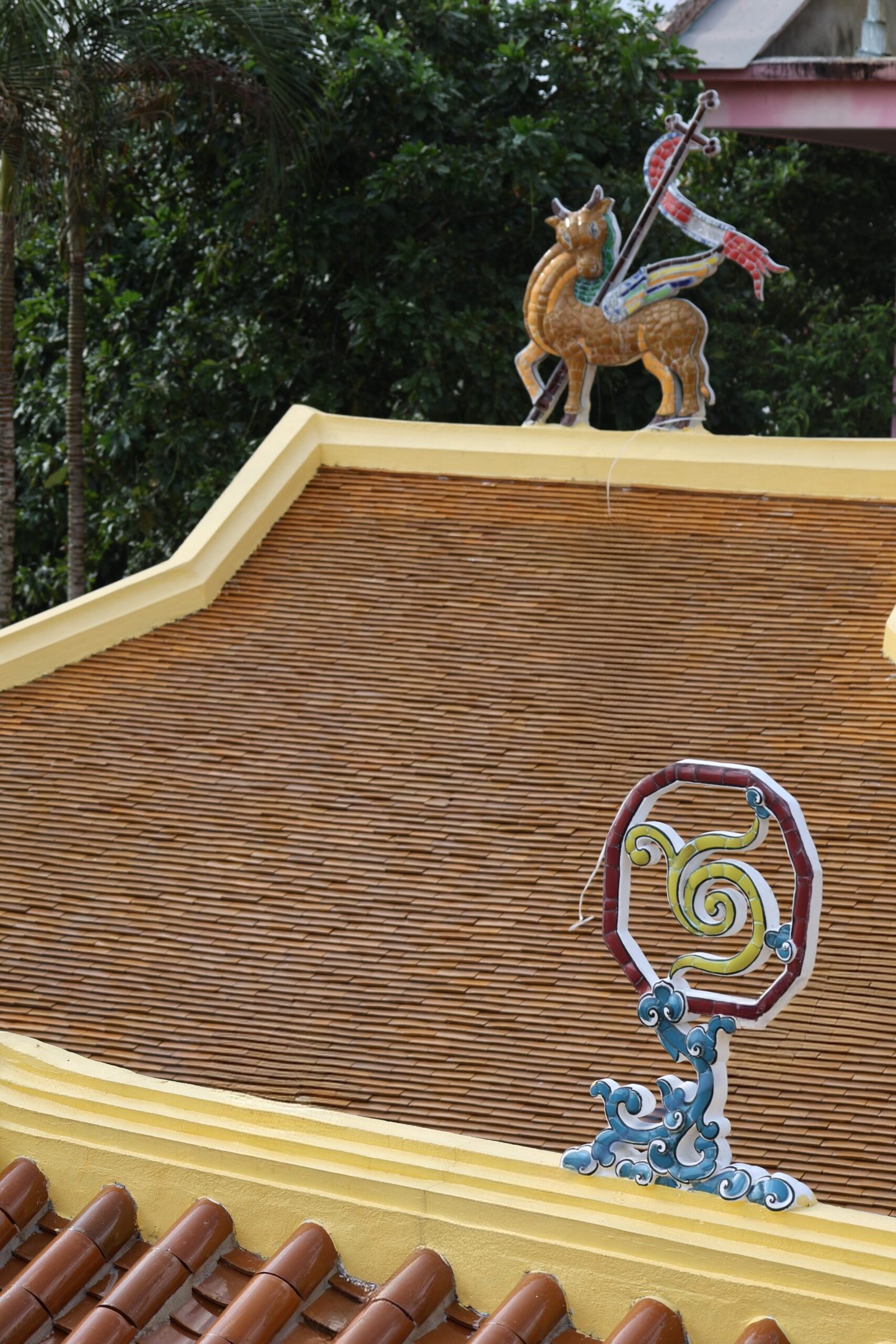
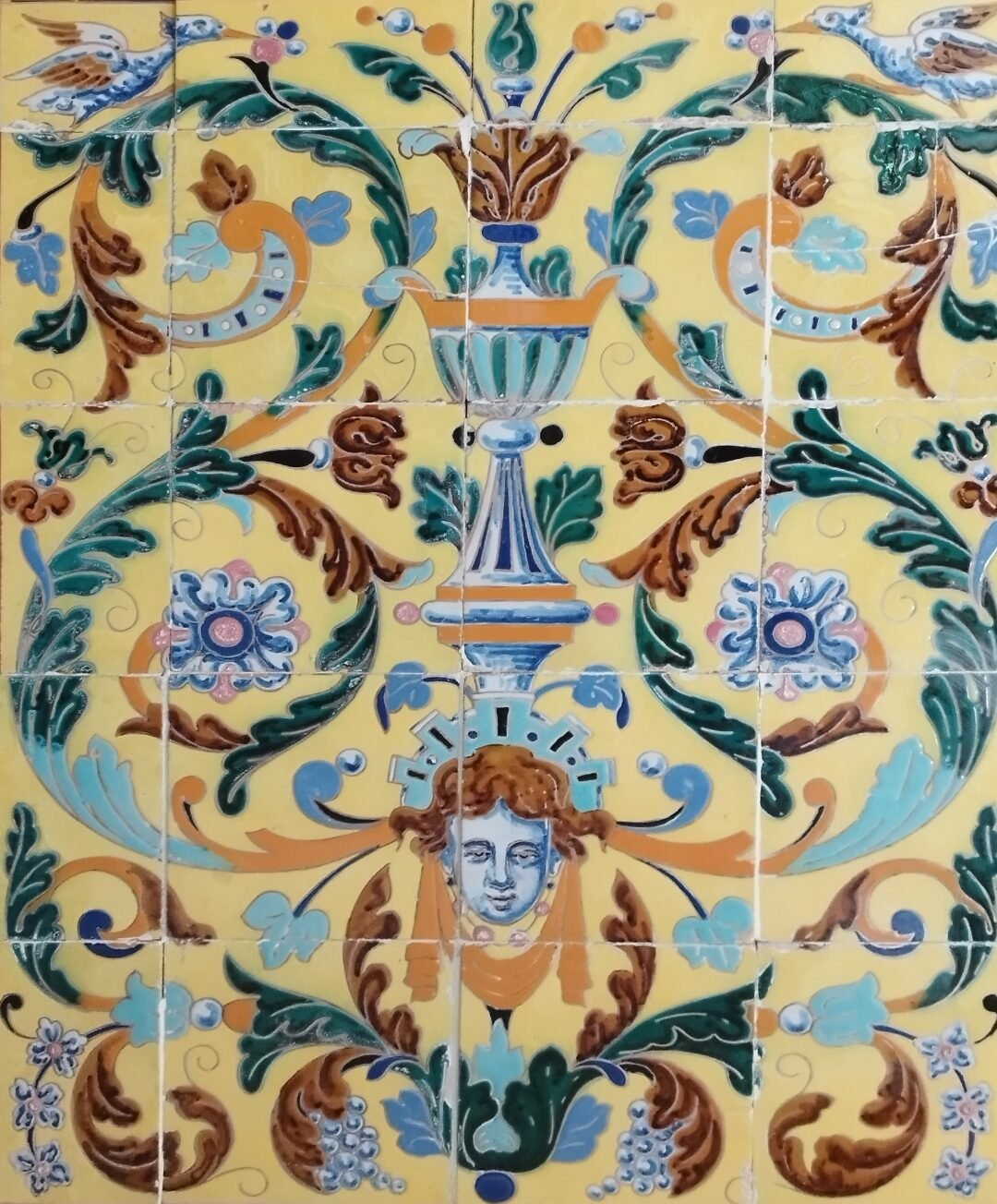
“The art of mosaics: making stone speak from Rome to Hue”
We are in a city — the country’s former capital. Yet nature is everywhere present: mountains on the horizon, wild beaches a few kilometers away. In the Citadel especially, lakes and wide planted avenues abound, and no house may rise higher than “the King’s Gate.” Even agriculture is present within its walls. An answer to our urbanistic dead ends?
Light Dark
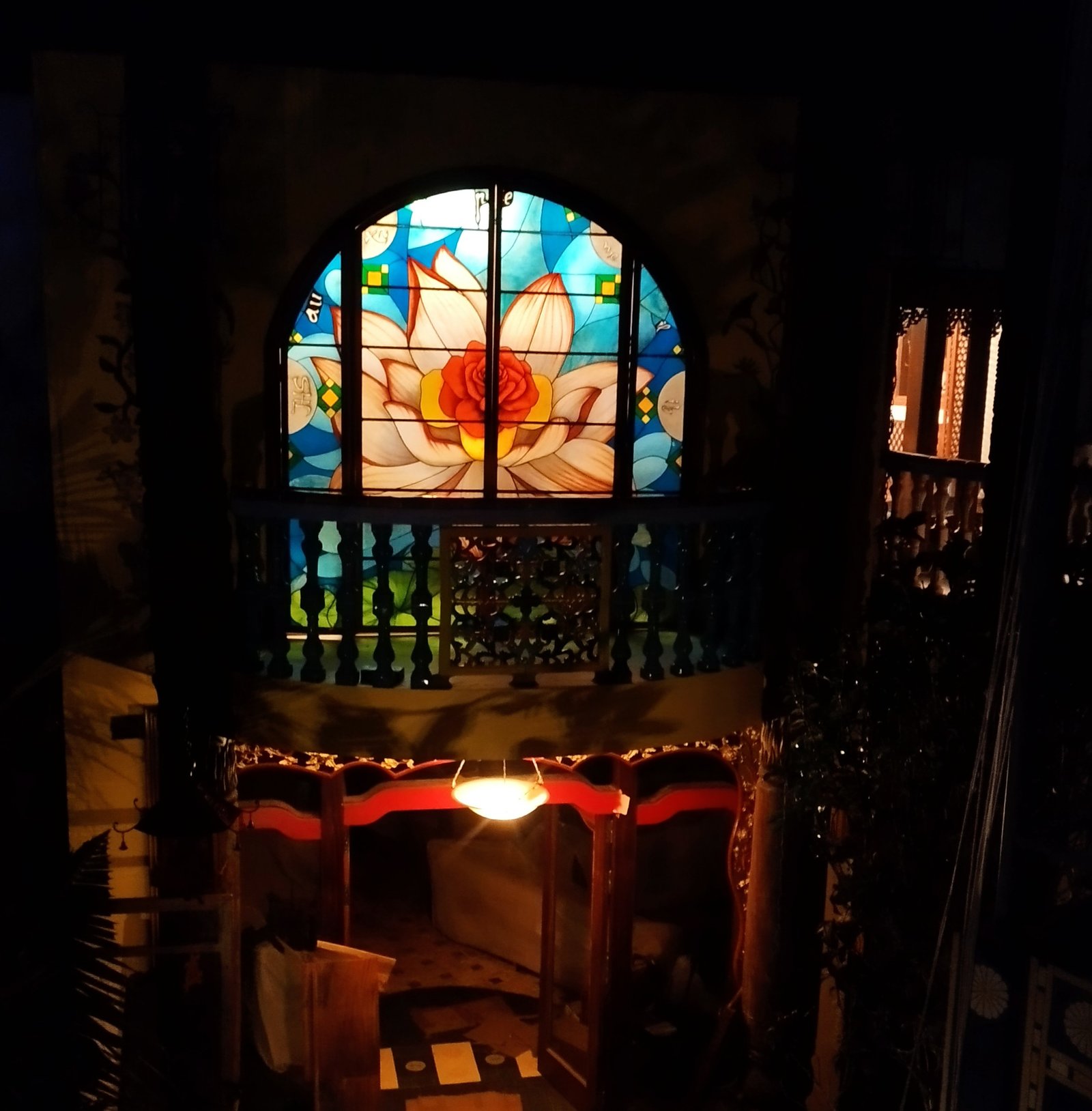
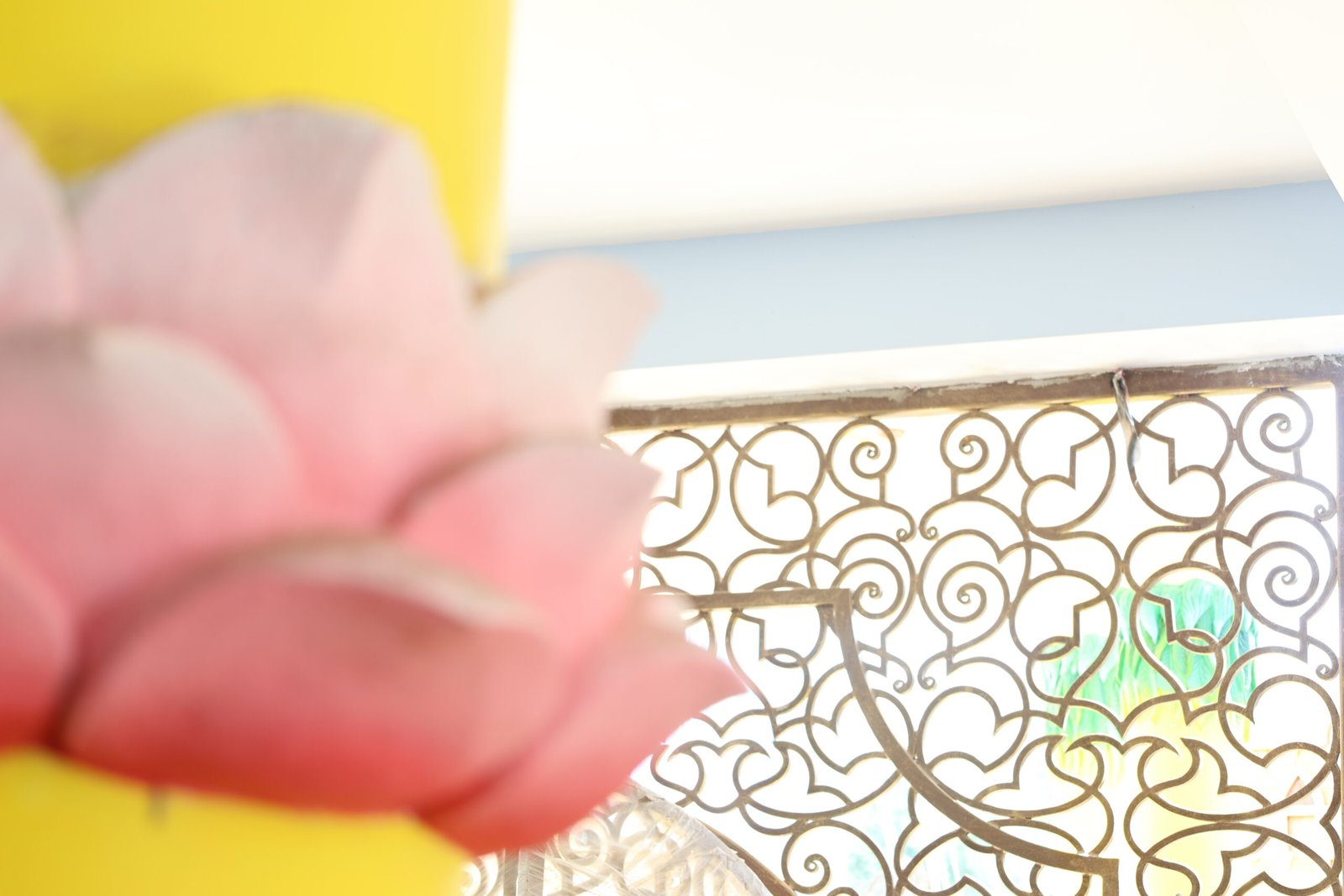
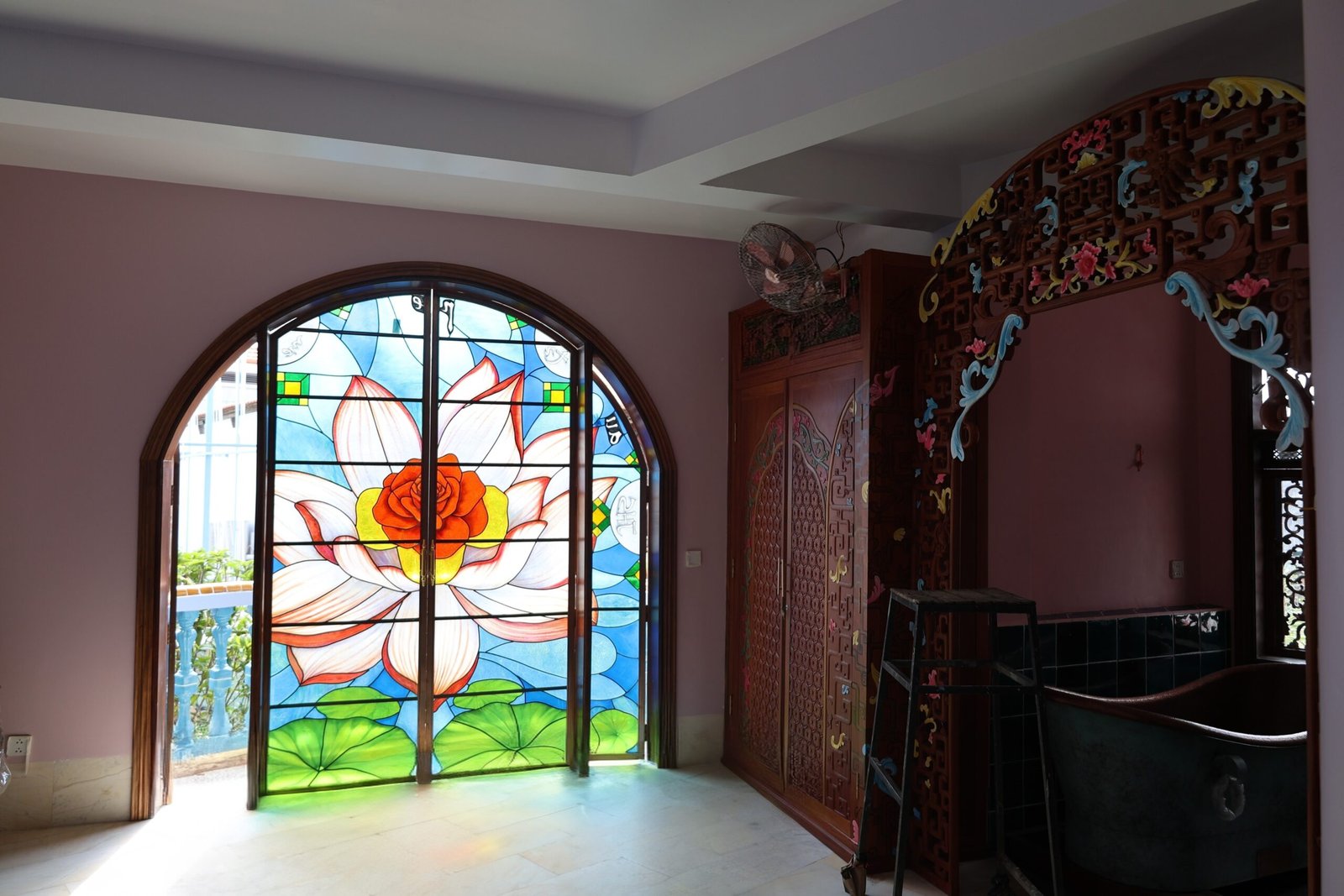
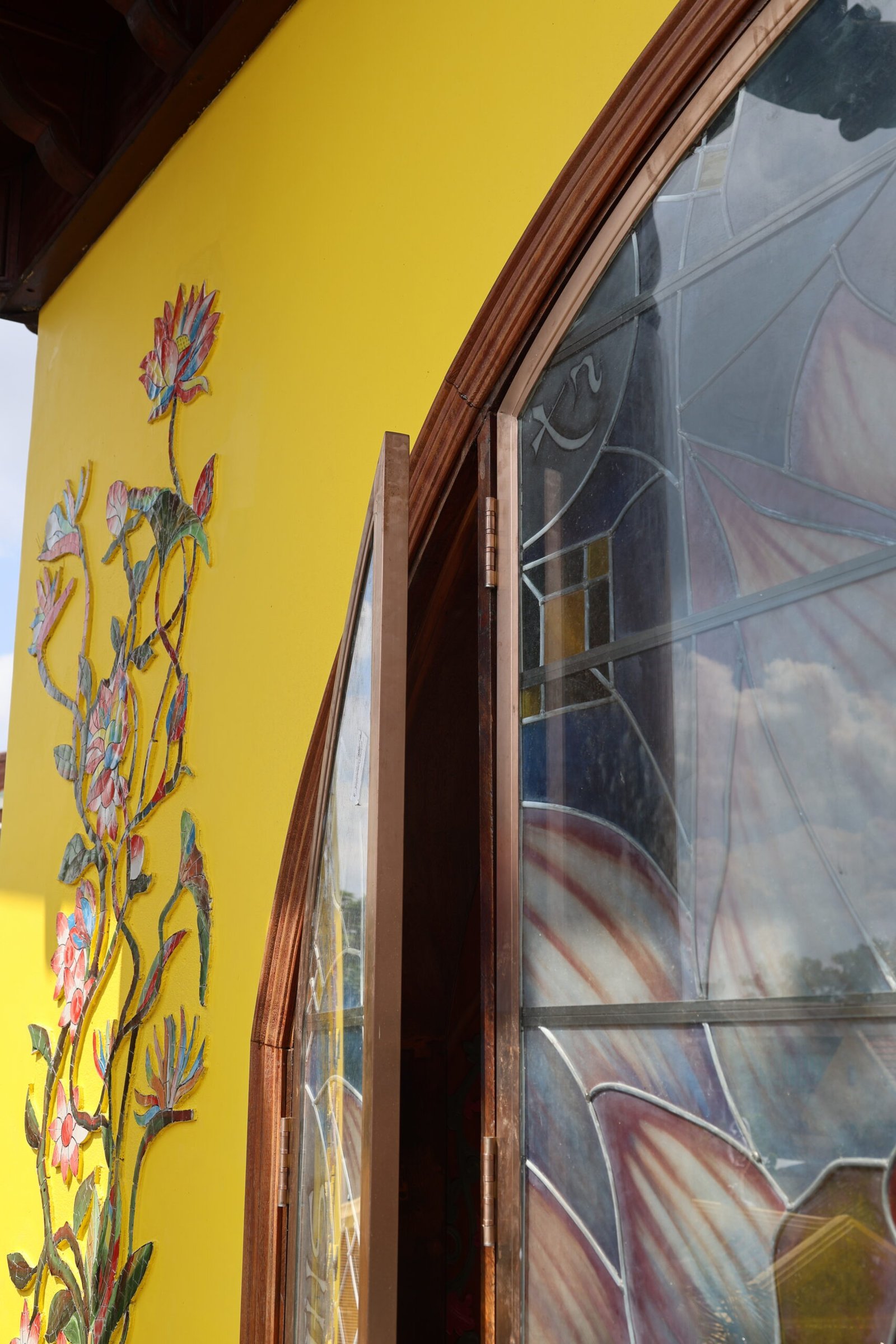
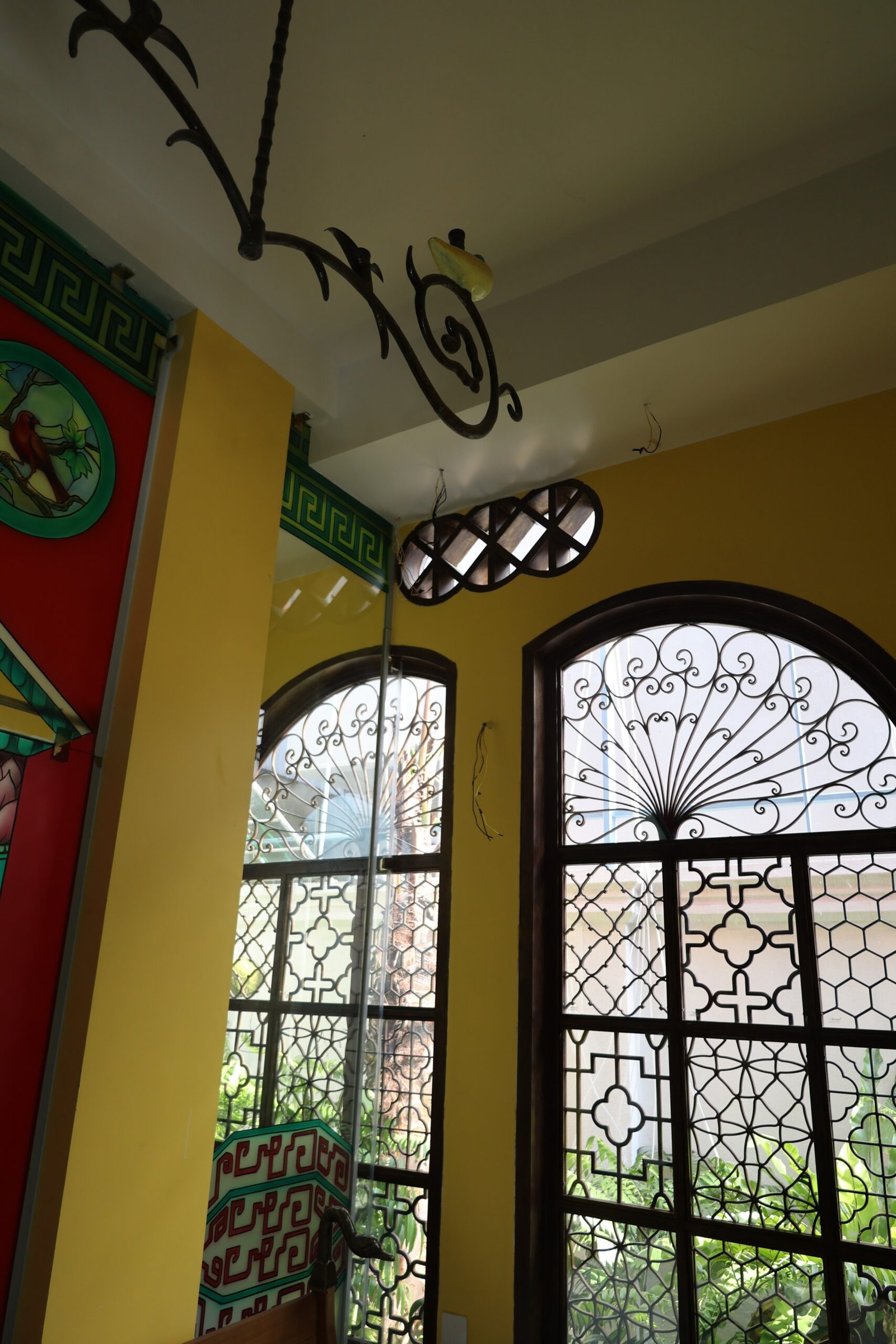
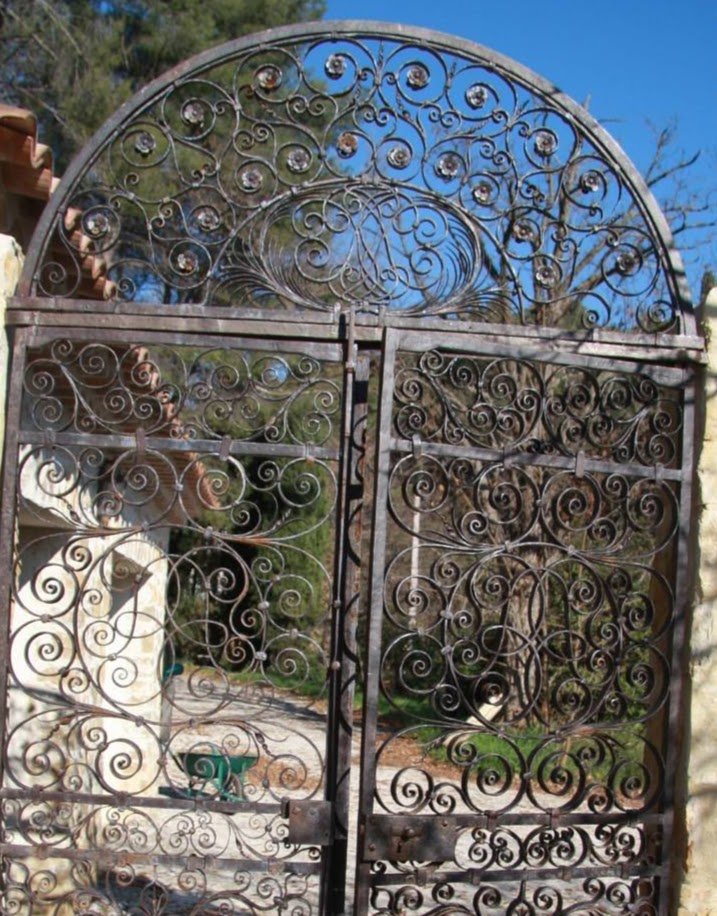
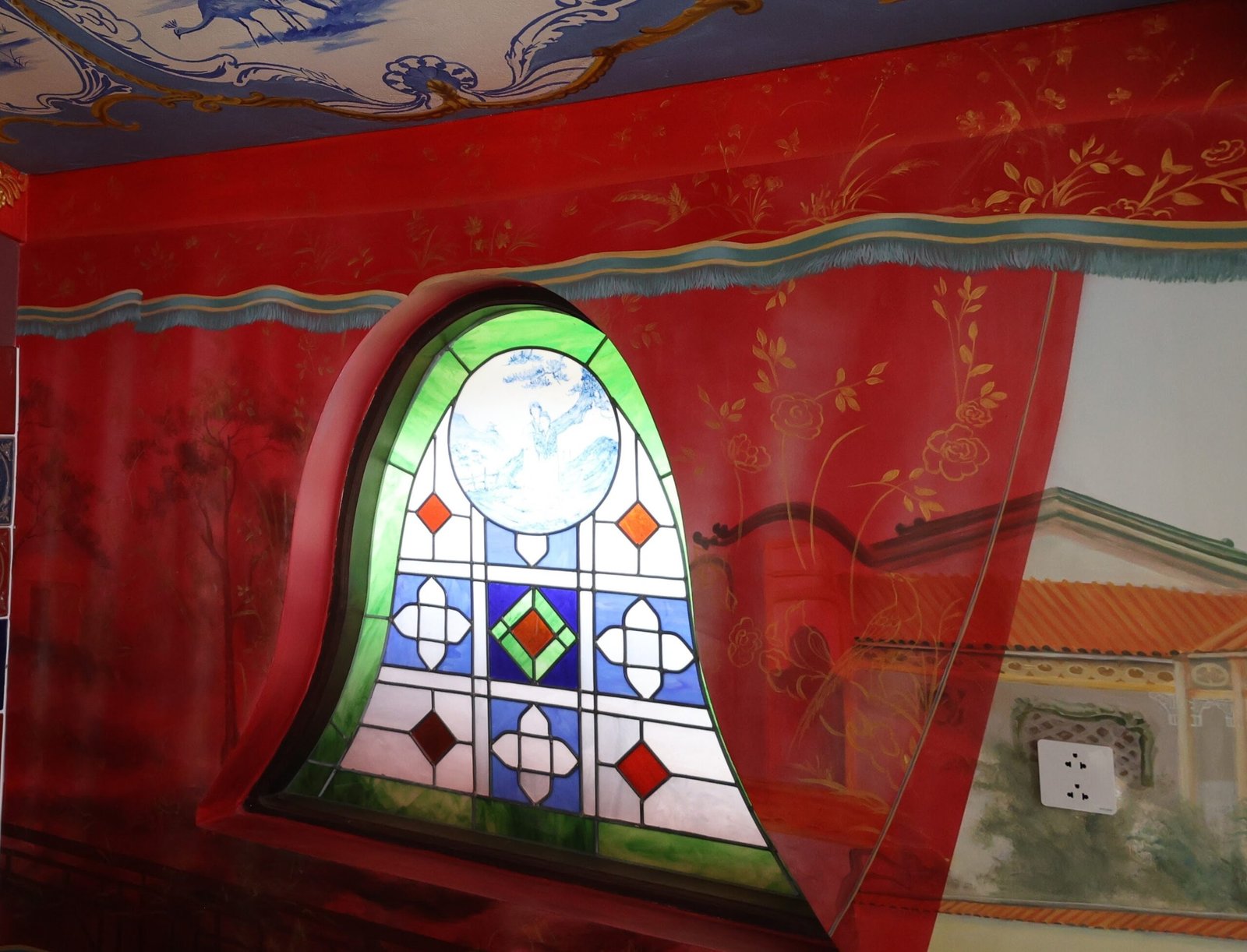
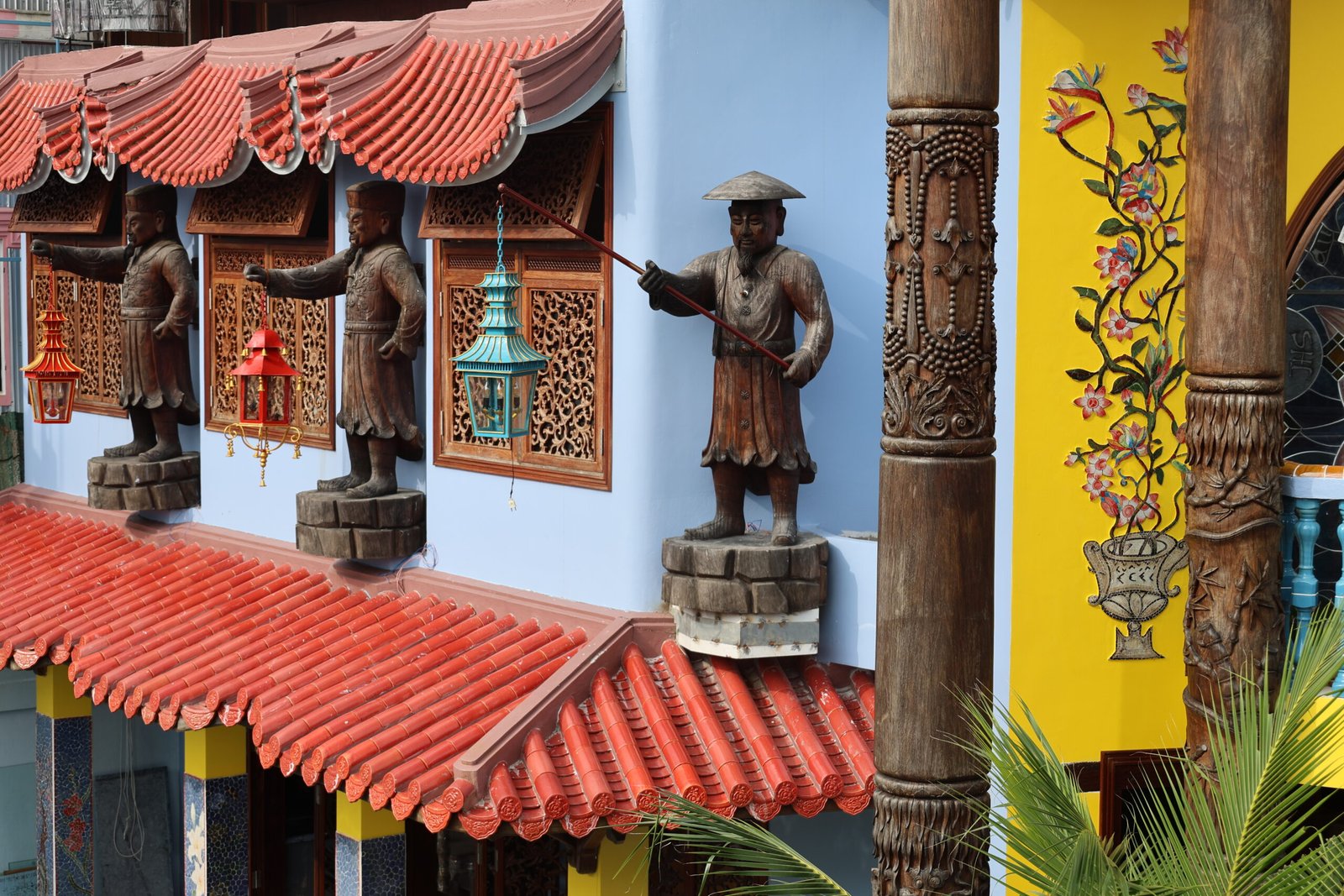
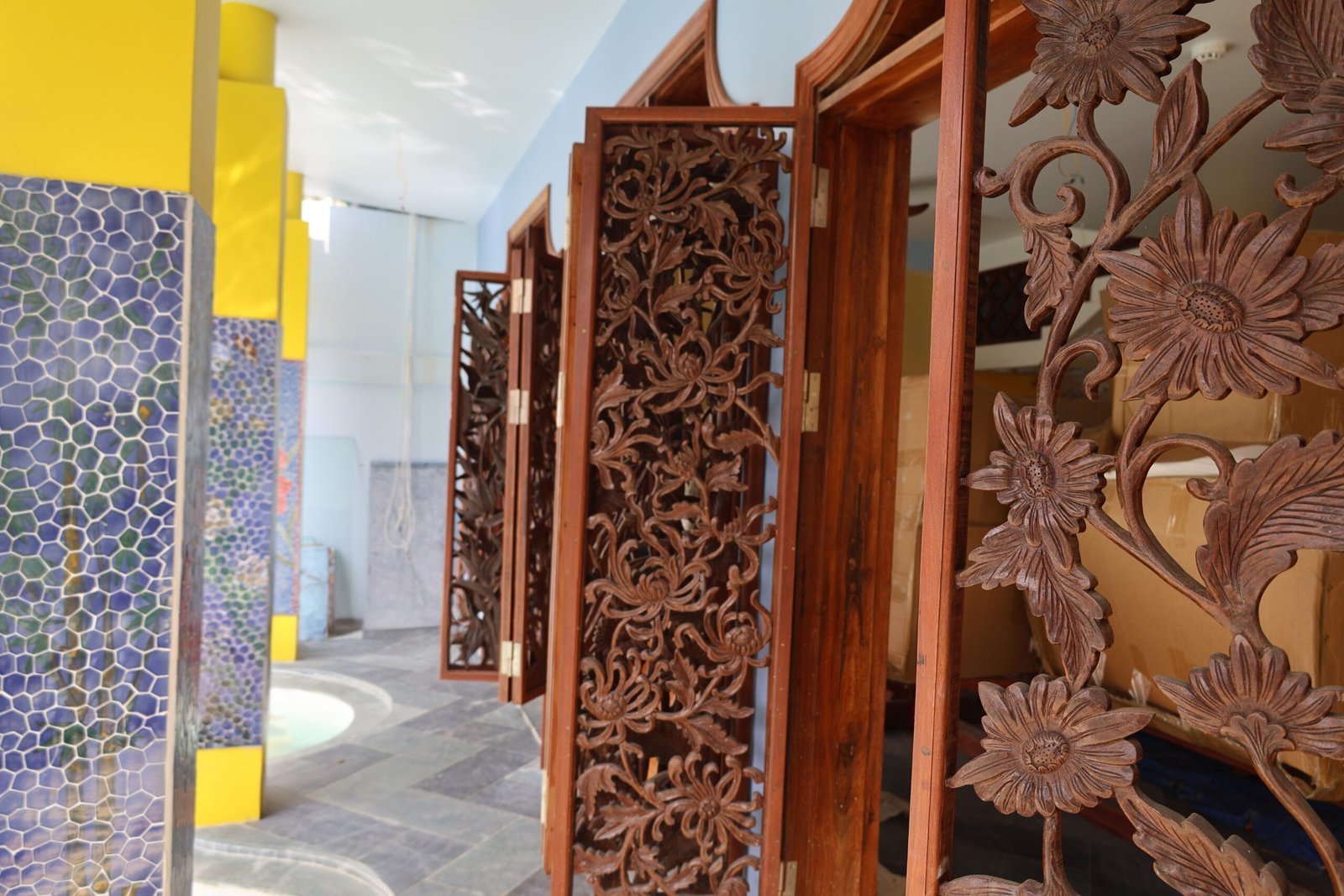
The modern is about transparency, glass facades, etc while classical taste contrasts interior & exterior. We cultivate the local tradition of being never fully inside nor fully outside but always in transition, partly inside and partly outside. Latices, screens, windows with no glasses, furnished gardens, balconies with carved railings, ornate pergolas…
Above, Below Us
If, of the celestial and terrestrial deities, we bow only to the former and reject the latter, will our world remain in balance? Like the Ancients of both East and West, we do not raise concrete as a shield against chthonic powers, but lay handmade bricks directly upon the soil so that this communication may endure: earth on earth, upon which the human foot rests.
A human World
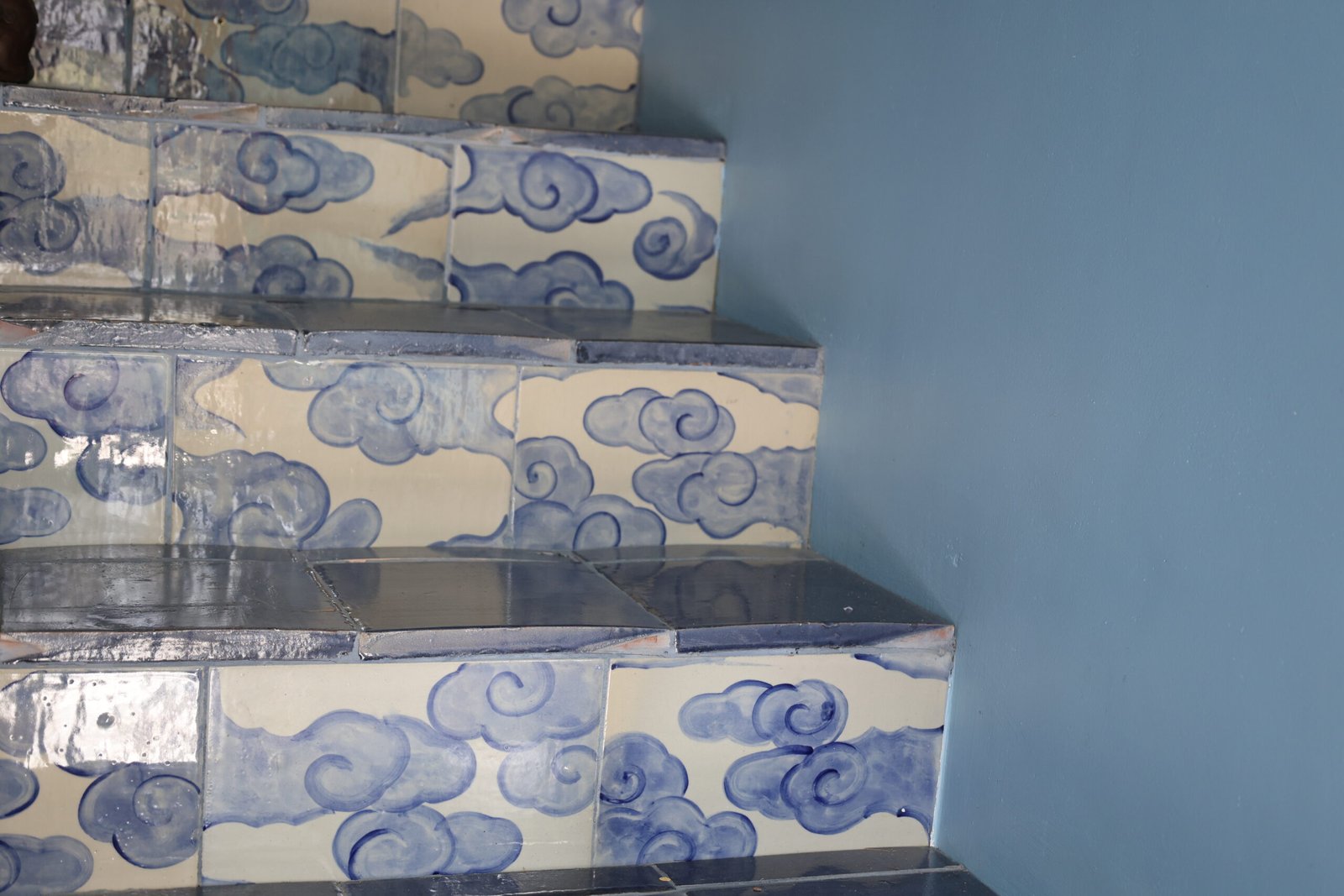
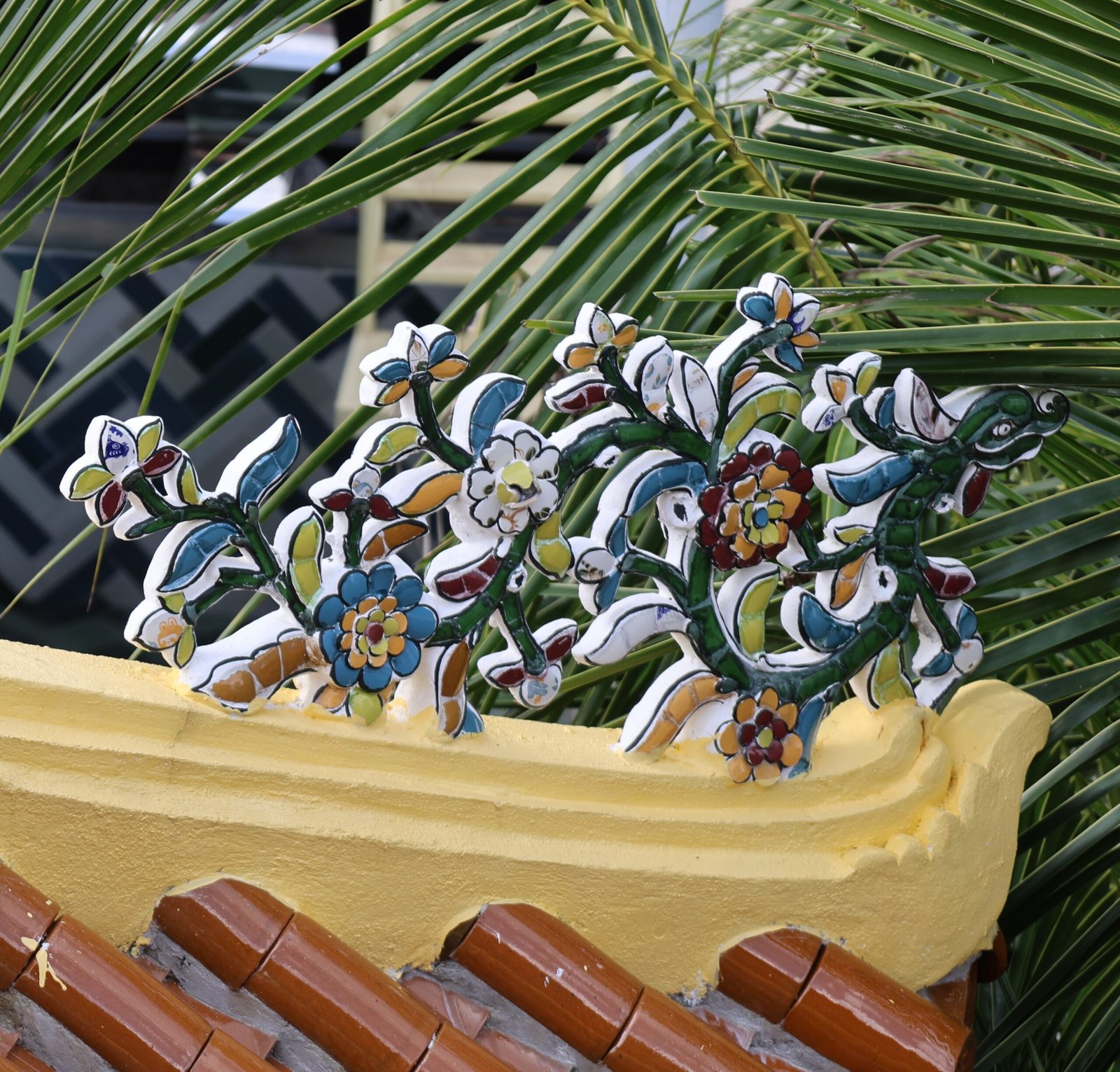
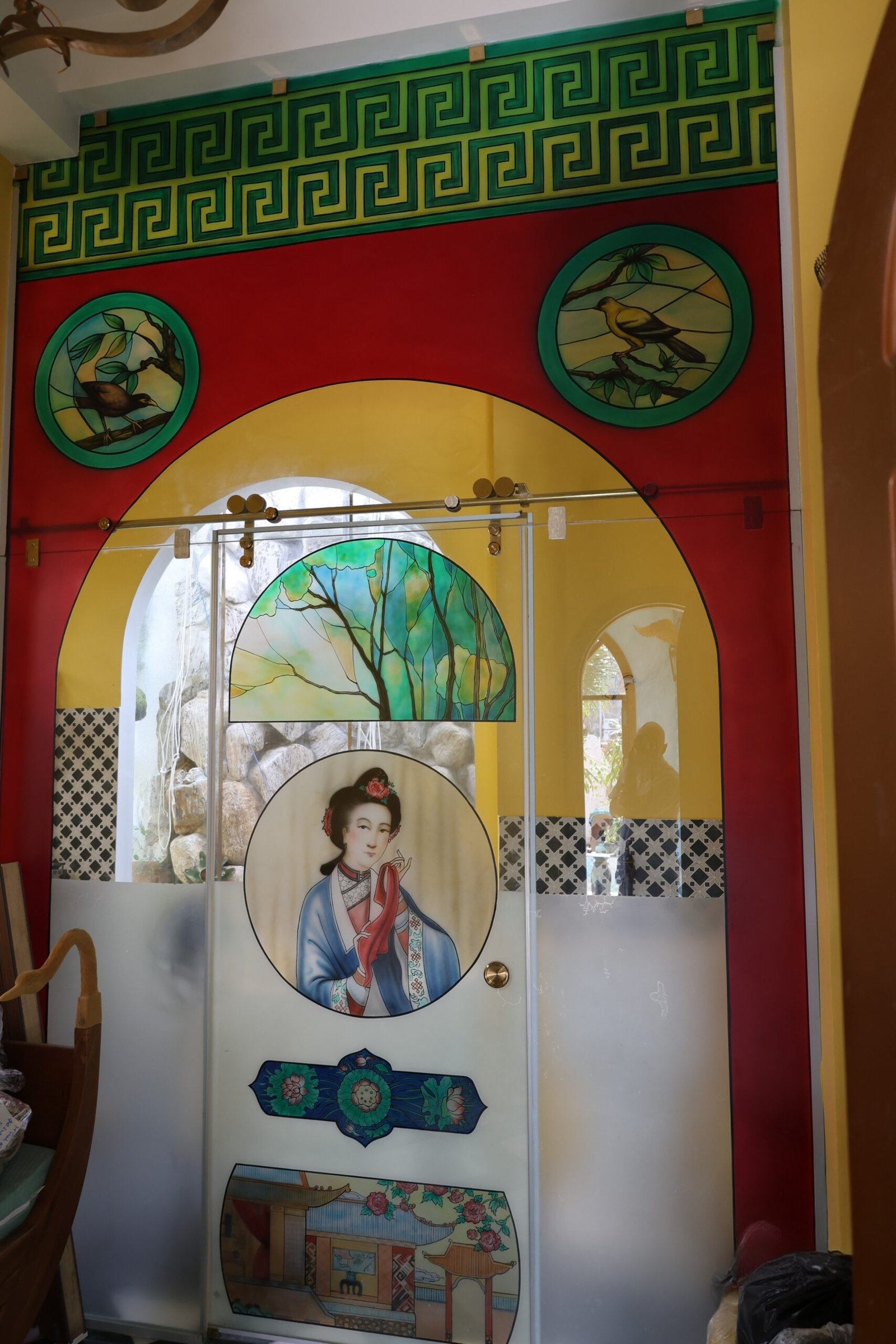
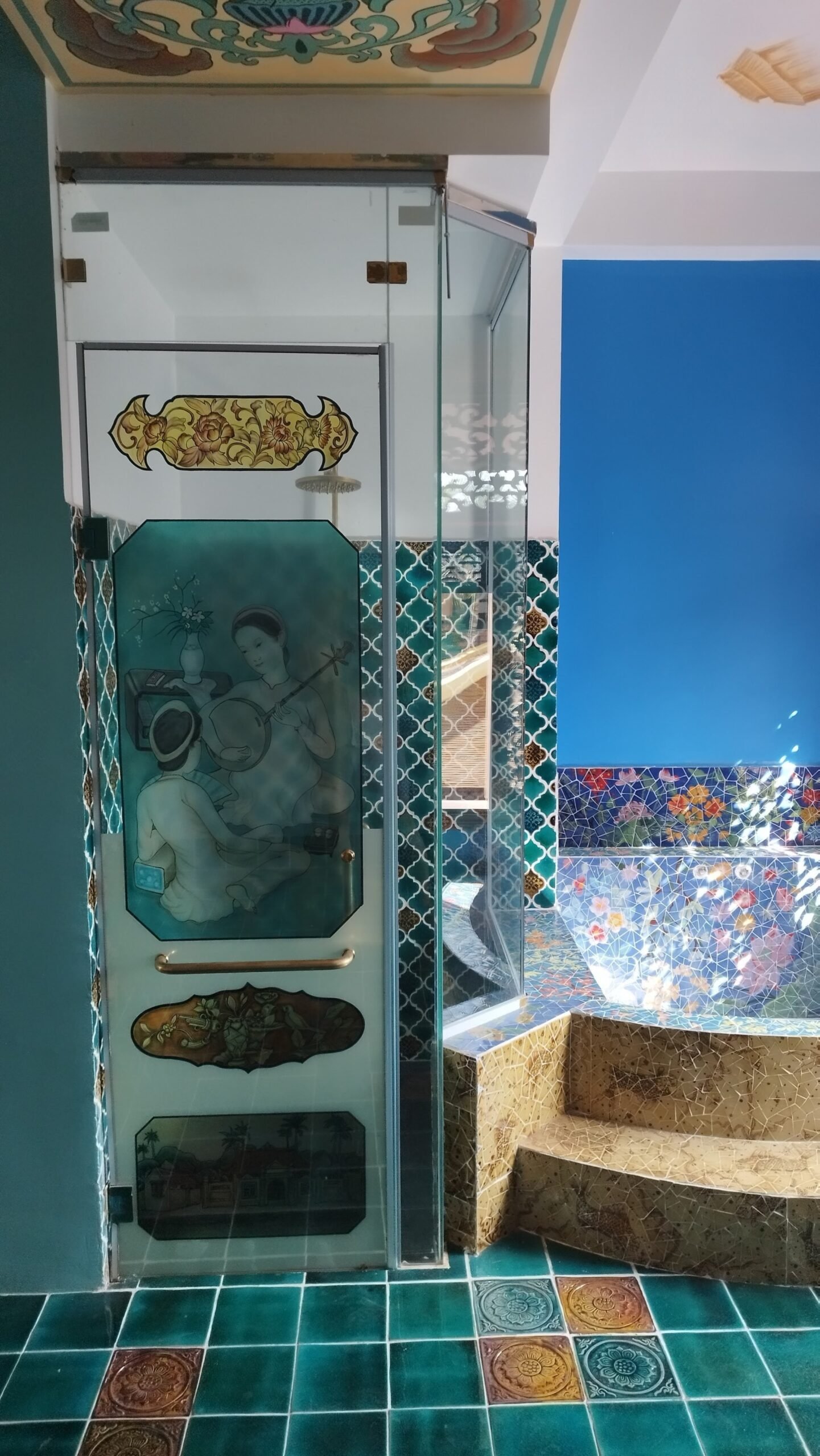
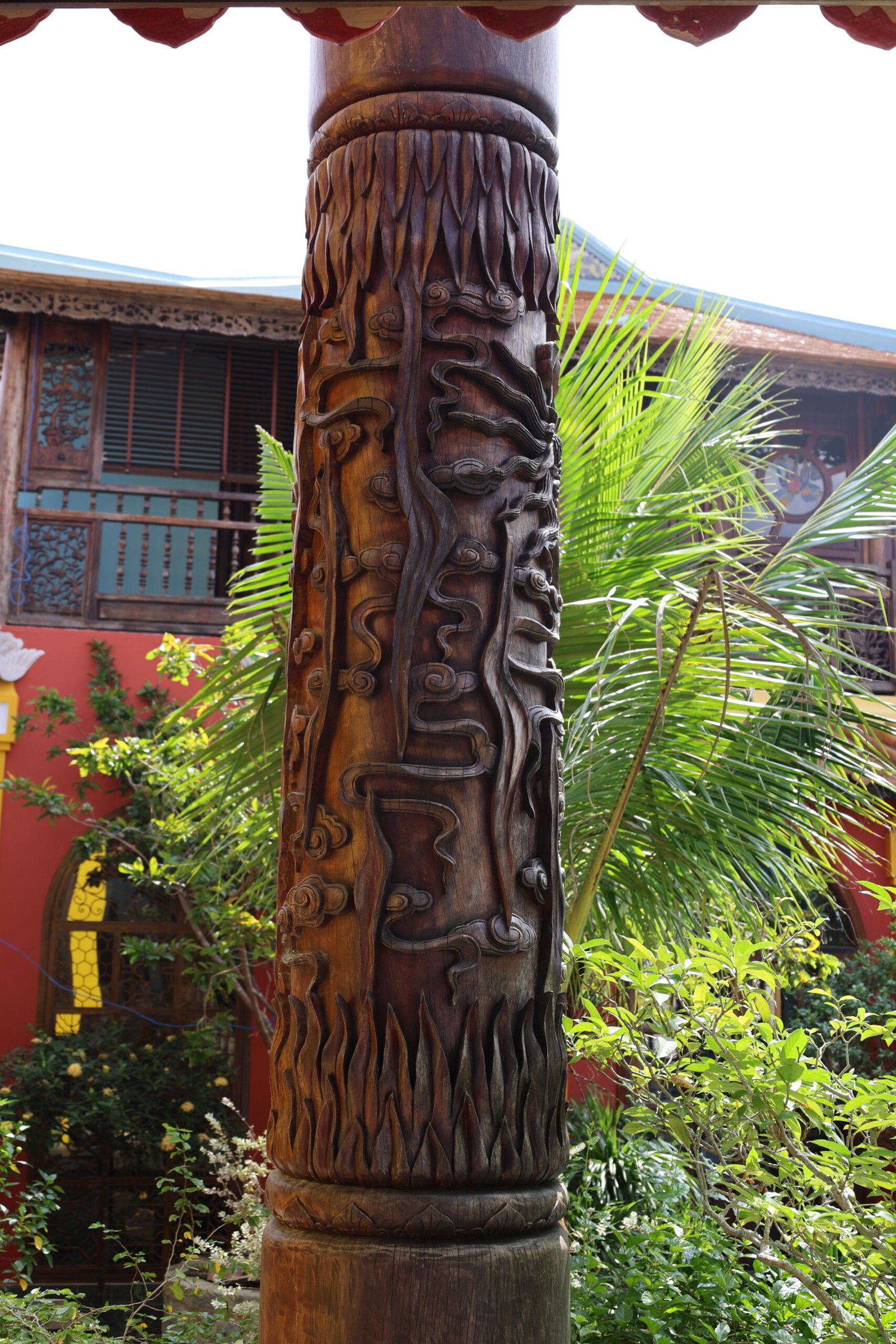
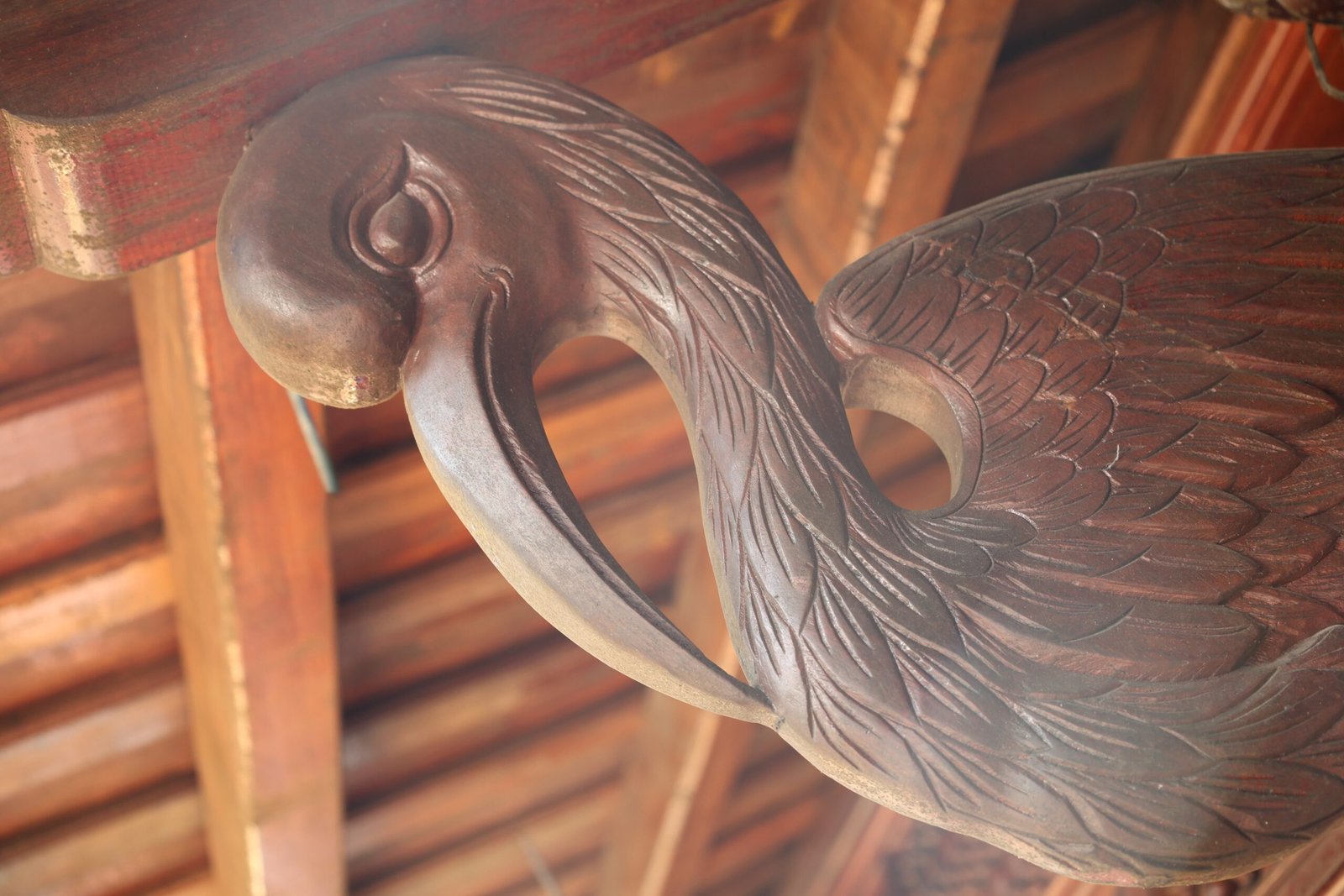
If our homes are “machines to live in” and all that surrounds us is concept directly informing matter without the mediation of artisans, are we not machines ourselves? Modernism speaks of functionalism; we prefer to feel that the idea, the work of the artisan, and the matter transformed have dialogued and danced together — a ballet that remains present every day before our eyes through carvings, wooden constructions, handmade ceramics, and mosaics. It is an animated and human presence that enriches the soul.
all heirs
Our collective heritage is the very fabric of our lives, and the same
benevolent forces that shaped our forefathers’ lives also shape ours — so long as we
remain open to their spell.
Huế
Huế — and Vietnam — stands at the confluence of
Europe and
China, while
always remaining itself.
A dynasty that cultivated relations with Europe and established its legitimacy through the emulation of Chinese ritual forms nevertheless remained rooted in the most ancient local traditions.
Though our creations are modern and innovative in style,
the spirit that inspires them rises from the past and
from the soil upon which they stand.